
Yes, chrysanthemums are toxic to cats. These popular fall flowers contain pyrethrins and sesquiterpene lactones, two compounds that can make your cat sick if eaten. Even a small nibble can cause real discomfort.
Fall is mum season. Garden centers fill up with pots in orange, yellow, red, and white, and they end up on porches and in living rooms across the country. They look great next to pumpkins, but if you share your home with a cat, that pretty display comes with a hidden risk.
So are chrysanthemums toxic to cats enough to worry about? The short answer is yes. Every part of the plant, from the petals to the stem to the pollen, carries some level of toxicity. Cats are curious by nature, and they often chew on leaves or knock petals onto the floor where they get eaten later.
This guide breaks down the symptoms, the risk level, and what to do if your cat gets into your mums.
Why Are Chrysanthemums Toxic to Cats?
Every part of a chrysanthemum plant carries some level of toxin. The leaves, the stems, the petals, and even the pollen all contain pyrethrins and sesquiterpene lactones. Cats don’t need to eat a whole flower to feel the effects. A few bites of leaf or a mouthful of petals is often enough.
A common question is whether are white chrysanthemums toxic to cats in the same way as colored ones. The answer is yes. Color has nothing to do with toxicity. A white mum, a yellow mum, and a deep red mum all carry the same chemical risk.
Pyrethrins work by disrupting a cat’s nervous system. In small amounts, this causes stomach upset. In larger amounts, it can lead to tremors or trouble walking. This is also why pyrethrin-based flea products can be dangerous for cats if used incorrectly, since cats process these compounds differently than other animals. The ASPCA Animal Poison Control Center lists chrysanthemums as toxic to cats, dogs, and horses.
Mums aren’t just a cat problem either. If you’re wondering are chrysanthemums toxic to dogs, the answer is also yes, and the symptoms look similar. As for people, are chrysanthemums toxic to humans is a fair question too. For most people, handling the plant only causes mild skin irritation, not the systemic illness cats can experience.
Chrysanthemum Cats Symptoms (What to Look For)
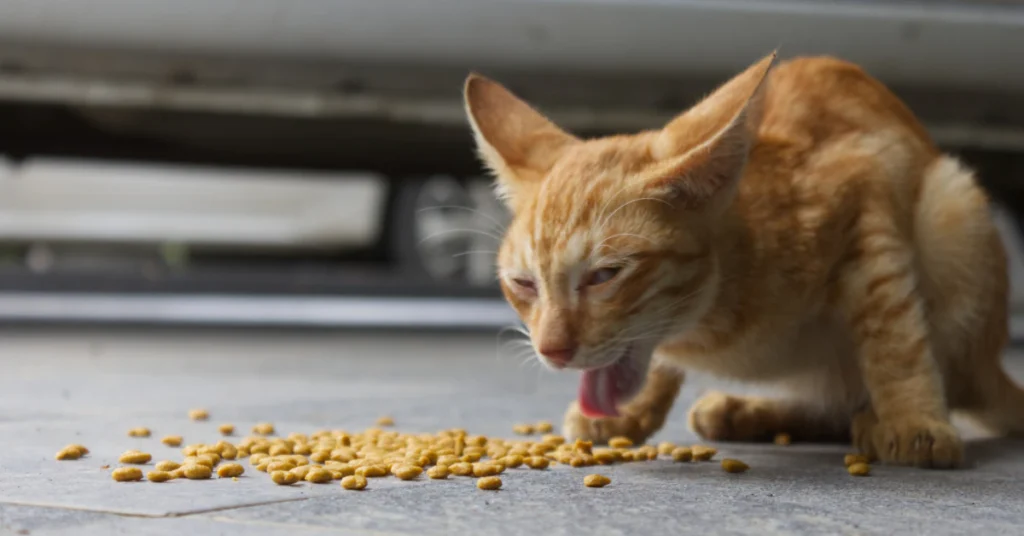
Watch for these signs if your cat has been near mums:
- Vomiting
- Diarrhea
- Hypersalivation (heavy drooling)
- Incoordination (wobbly or unsteady walking)
- Skin irritation after direct contact with the plant
Most cats show symptoms within a few hours of eating part of the plant. Mild cases may pass on their own, but any wobbliness or repeated vomiting is a signal to call your vet right away.
Can Cats Be in the Same Room as Chrysanthemums?
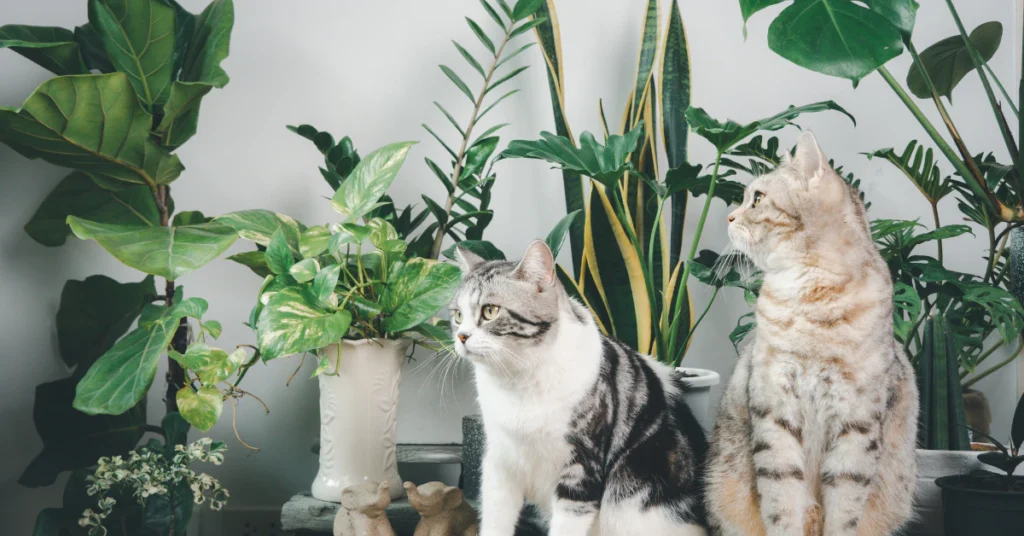
Having a mum in the same room isn’t an automatic emergency. Cats can walk past a plant, sit near it, or even sleep in the same space without getting sick. The real danger comes from contact, not proximity.
The trouble is that cats rarely leave plants alone. They jump onto shelves, bat at leaves, and chew on things out of curiosity. A mum sitting on a side table looks safe until your cat decides to investigate it up close. That’s when petals fall, stems get chewed, and pollen ends up on fur that gets licked clean later.
Are Chrysanthemums Toxic to Cats If Not Ingested?
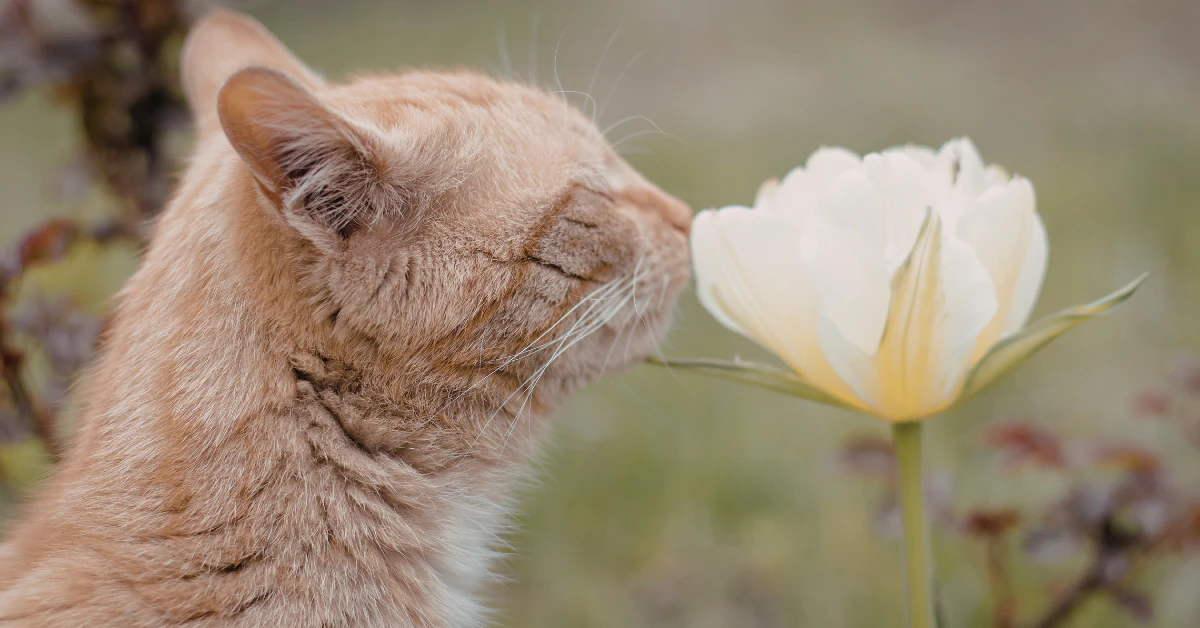
Is chrysanthemum safe for cats to smell? Mostly, yes. A cat sniffing a mum from a distance is unlikely to get seriously ill. At most, breathing in pollen can cause mild sneezing or nasal irritation, similar to how pollen affects people with allergies.
Real poisoning happens through ingestion, not smell. Your cat needs to actually chew or swallow part of the plant, or groom pollen off their fur, for pyrethrins to enter their system in any meaningful amount.
Still, “just smelling” rarely stays that way for long with a cat in the house. A quick sniff can turn into a curious nibble within minutes.
A simple, practical fix: keep mums on high shelves, in hanging baskets, or in rooms your cat can’t access. If you display them on a table, make sure it’s one your cat can’t jump onto easily. Out of reach is the safest rule to follow.
Help! My Cat Ate Chrysanthemum – What Should I Do?
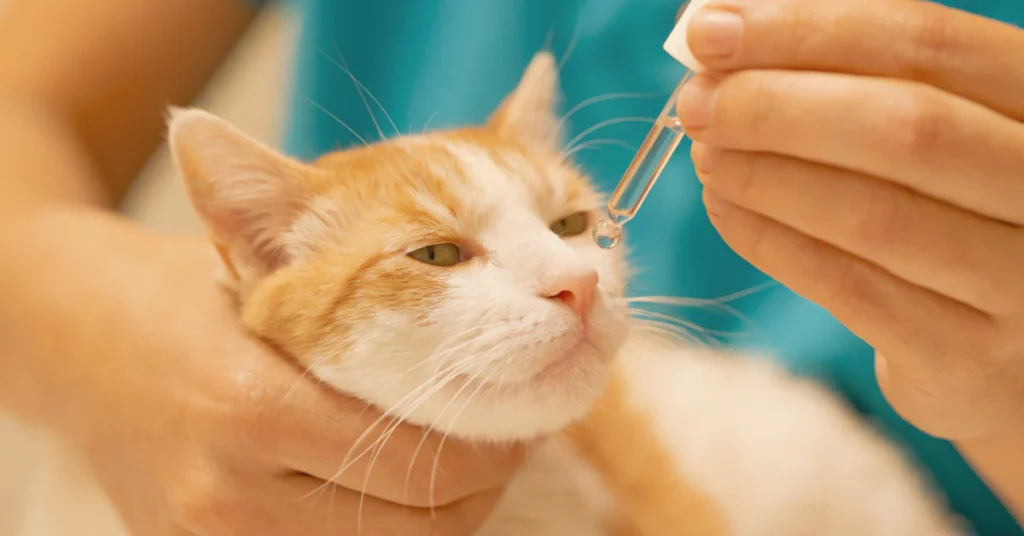
If your cat ate chrysanthemum leaves, petals, or stems, don’t panic. Most cases are mild and treatable, especially if you act quickly and calmly.
Immediate Steps to Take
- Remove the plant from their mouth. Gently take away any remaining leaves or petals so your cat can’t keep chewing. Check the floor nearby for dropped pieces too.
- Don’t induce vomiting at home. It might feel like the right move, but doing this without vet guidance can cause more harm than good. Some methods used at home are unsafe for cats and can lead to other complications.
- Call your vet or Pet Poison Helpline immediately. A quick call can tell you whether this is a wait-and-watch situation or one that needs a clinic visit. The Pet Poison Helpline is available for exactly this kind of question and can walk you through next steps based on your cat’s symptoms.
- Take a photo of the plant. Snap a picture of the chrysanthemum, including the flower and leaves, before cleanup. This helps your vet confirm the plant and rule out other toxic look-alikes.
- Watch for symptoms over the next few hours. Vomiting, drooling, diarrhea, or wobbly walking can show up within a few hours of ingestion. Write down what you notice and when it started.
- Keep your cat calm and comfortable. Limit activity and keep them in a quiet space while you wait for guidance from your vet.
Most cats recover fully with basic supportive care, like fluids and rest, once the plant is out of their system. Severe reactions are uncommon but possible, especially if a large amount was eaten.
If you’re ever unsure whether a nibble counts as a real problem, it’s always safer to make the call. Vets and poison control lines deal with these questions daily, and a five-minute conversation can save you a lot of worry.
What Flowers Are Safe for Cats? (And Which to Avoid)
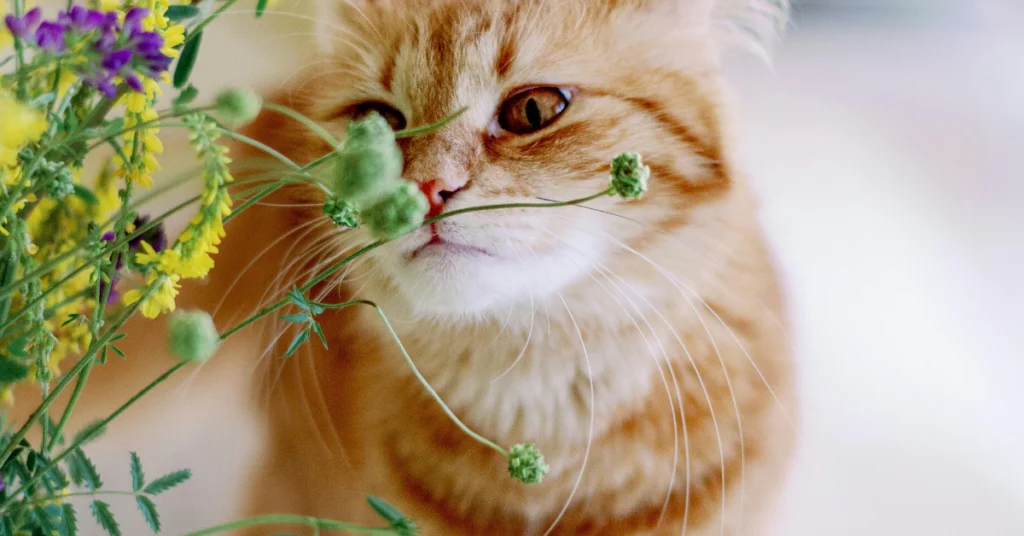
So are chrysanthemums pet friendly? No, they’re not, and that’s a hard rule with no real exceptions. The good news is you don’t have to give up flowers altogether. Plenty of beautiful options are completely safe for a house with cats.
Here’s a quick comparison to help you plan a cat-safe garden or bouquet:
| Flower | Safe for Cats? | Notes |
| Chrysanthemums (Mums) | No, toxic | Causes vomiting, drooling, wobbly walking |
| Daisies | No, toxic | Same plant family as mums; similar symptoms |
| Carnations | Mild toxicity | Usually causes mild stomach upset, not severe |
| Roses | Yes, safe | Non-toxic; watch out for thorns, not the petals |
| Sunflowers | Yes, safe | Non-toxic; pollen may still cause minor sneezing |
If you’re wondering are carnations toxic to cats, the answer is yes, but only mildly. Most cats that nibble a carnation get a mild upset stomach at worst, nothing like the reaction mums can cause.
On the safer end, are roses toxic to cats is a common worry, but roses are non-toxic. The main risk with roses is physical, from thorns, not chemical.
Sunflowers are another solid choice. Are sunflowers toxic to cats? No. They’re considered safe, making them a good swap for anyone who loves big, bold blooms.
Daisies are the exception in the “safe” category people often assume. Are daisies toxic to cats? Yes, since daisies belong to the same plant family as chrysanthemums and carry similar risks.
With a little planning, you can still have a colorful, welcoming home. Roses and sunflowers give you that same fall or year-round charm, without the trip to the vet.
Frequently Asked Questions
What happens if a cat eats chrysanthemum?
Most cats develop vomiting, diarrhea, drooling, or wobbly walking within a few hours. Symptoms are usually mild but should still be checked by a vet.
What is the most toxic flower to cats?
Lilies are far more dangerous than mums. Even a small amount can cause fatal kidney failure in cats, while mums typically cause milder, non-fatal symptoms.
Are potted mums toxic to cats?
Yes. Whether a mum is planted outdoors or sitting in a pot indoors, the toxicity level stays exactly the same.
How long do chrysanthemum symptoms last in cats?
Mild cases often resolve within 24 hours with rest and monitoring. More severe reactions may take longer and need vet-guided treatment.
Can chrysanthemum tea or dried mums harm cats?
Yes. Drying or brewing the plant doesn’t remove the toxins. Cats can still get sick from dried petals or leftover tea leaves.
Do all mum varieties carry the same risk?
Yes. Garden mums, florist mums, and fall potted mums all belong to the same toxic plant family, regardless of size or bloom type.
Final Thoughts
Fall mums are hard to resist. They’re cheerful, affordable, and everywhere once the season turns. But for cat owners, that seasonal charm comes with a real responsibility.
The safest approach is simple: keep mums out of reach, watch your cat closely if a plant is nearby, and act fast if you ever suspect ingestion. A little caution goes a long way toward keeping your home both festive and safe.
Your cat’s curiosity isn’t going away, so let your planning do the protecting instead.