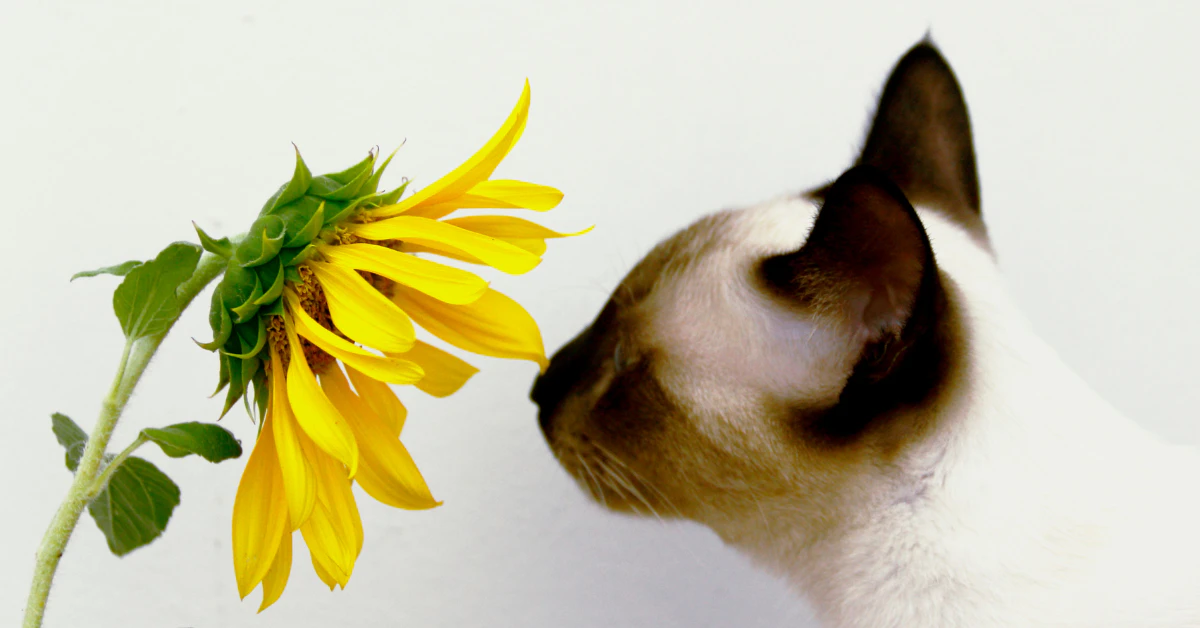
Siamese cat sniffing a sunflower

Are Sunflowers Toxic to Cats? The ASPCA Truth Plus 3 Hidden Bouquet & Garden Dangers

No. The ASPCA lists Helianthus, the sunflower group, as non-toxic, so your cat’s nibble is not expected to be life-threatening. Take a deep breath. Still, any plant can cause mild vomiting or an upset stomach. Two hidden risks, lilies in mixed bouquets and seed shells, deserve a closer look below.  What the ASPCA Actually Says […]

Continue Reading
Green and reddish leaves on a plant branch showing natural leaf shedding

Why Is My Plant Shedding Leaves? The Ultimate Normal vs. Warning Guide (With Toxicity Alerts)

Plant shedding leaves is usually not a crisis. It’s your plant doing something it was built to do. Here’s the quick answer: shedding is a process called abscission. A plant grows a special layer of cells where each leaf meets the stem, called the abscission zone. When the plant is ready to let go of […]

Continue Reading
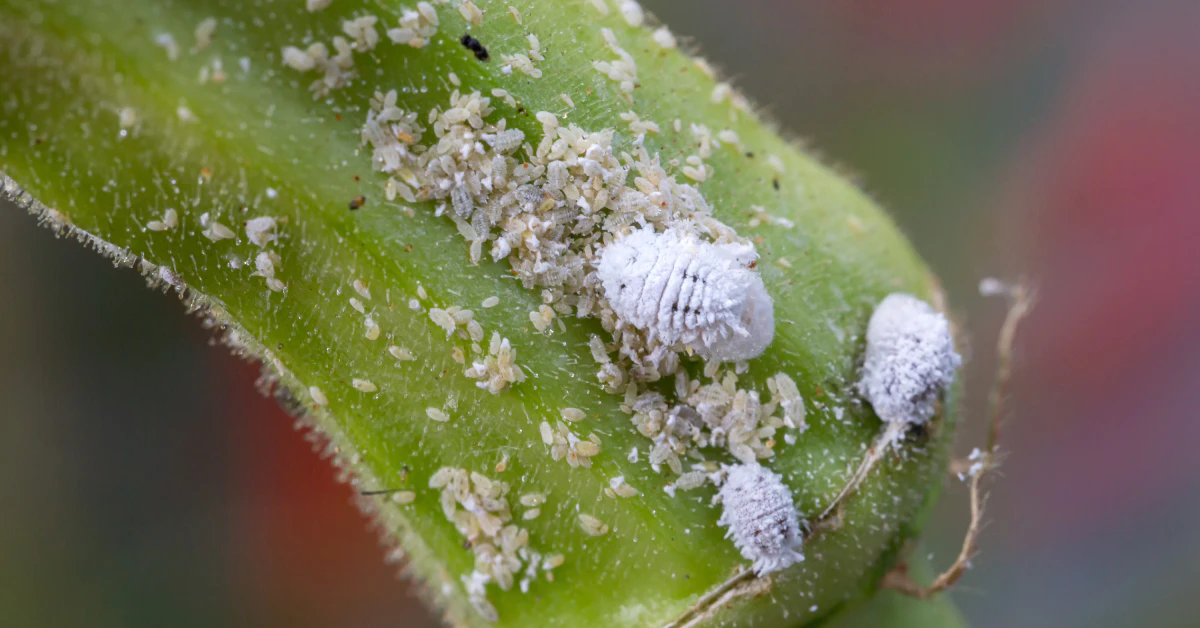
White cottony mealybugs clustered on the edge of a green plant leaf

The Complete Guide to Spotting the Early Signs of Mealybugs (Before It’s a Months-Long War)

The earliest signs of mealybugs are tiny, white, cotton-like specks tucked into leaf joints, along stems, or where a leaf meets the main stalk. They look like small tufts of lint stuck to your plant, and they will not wipe away like dust does. Catching mealybugs at this stage matters more than you might think. […]

Continue Reading
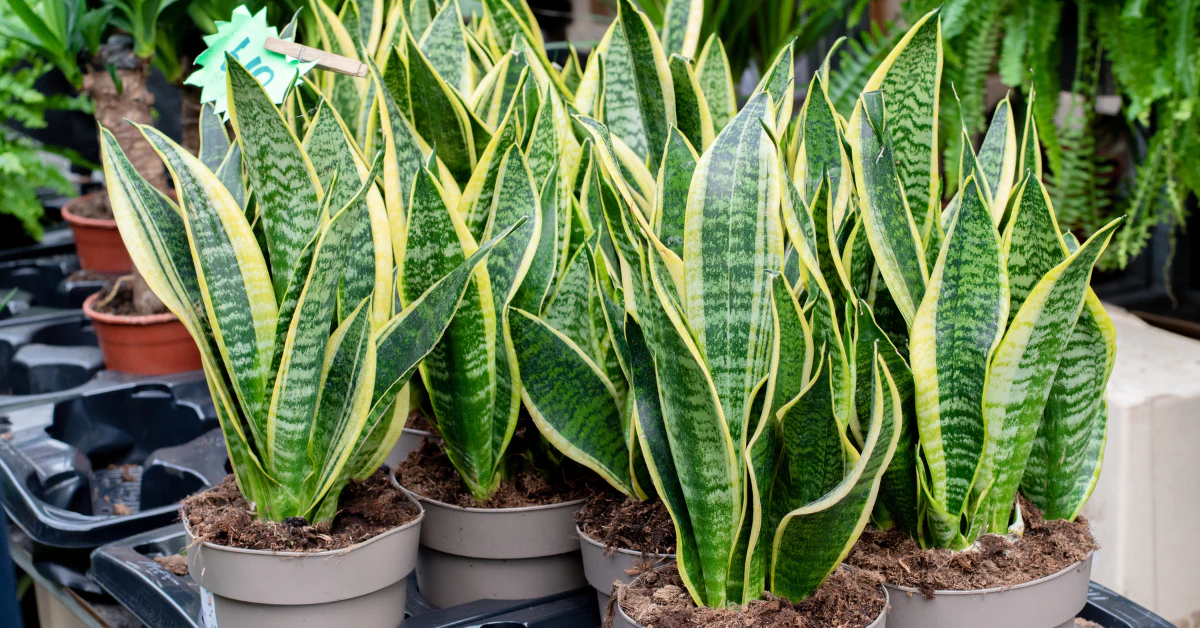
Tall green snake plants with yellow-edged leaves in pots, a common houseplant that is toxic to cats

The Ultimate Guide to Snake Plant Cats Safety: Toxicity, Myths, and Hidden Nuisances

Yes. Snake plants are toxic to both cats and dogs. They contain natural compounds called saponins, which can cause vomiting, drooling, and diarrhea if your pet chews or swallows the leaves. If your cat just ate part of a snake plant, remove the plant from reach right away and call your vet or the ASPCA […]

Continue Reading
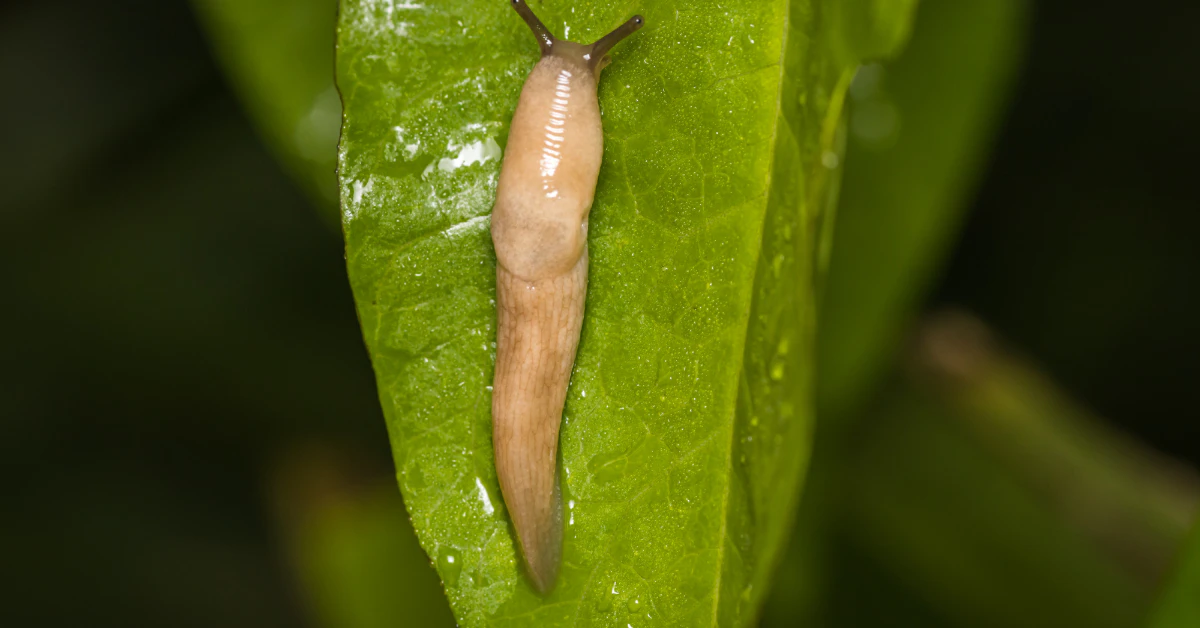
Slug on a green garden leaf

What Eats Slugs? The Ultimate Guide to Natural Garden Predators

Slugs and snails have plenty of natural enemies. Ground beetles, firefly larvae, frogs, toads, snakes, and birds like thrushes and starlings all hunt slugs for food. Spiders, centipedes, and even some flies join the list too. Attracting these predators is one of the safest ways to cut slug damage in your yard. Few things are […]

Continue Reading
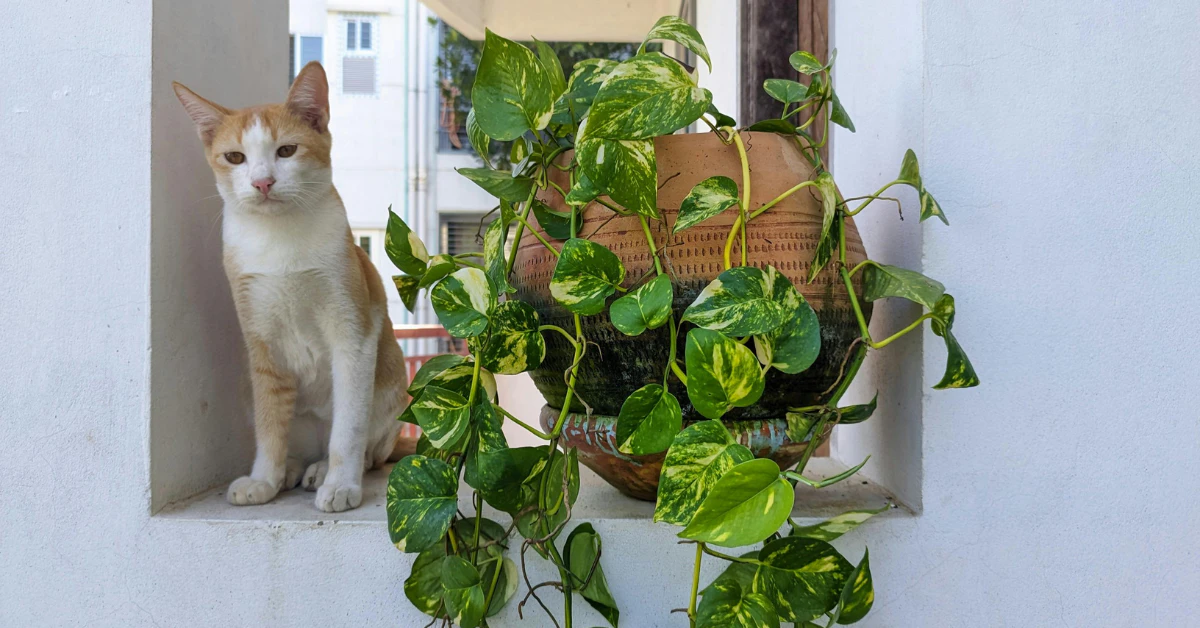
Cat standing near a hanging pothos plant indoors

Are Pothos Toxic to Cats? What Every Plant Parent Must Know

Yes, pothos are toxic to both cats and dogs. The ASPCA lists pothos (Epipremnum aureum) as toxic to both pets. The plant contains tiny, sharp crystals called insoluble calcium oxalates. When a cat or dog bites into a leaf or stem, these crystals dig into the mouth and cause pain. This is a real risk, […]

Continue Reading
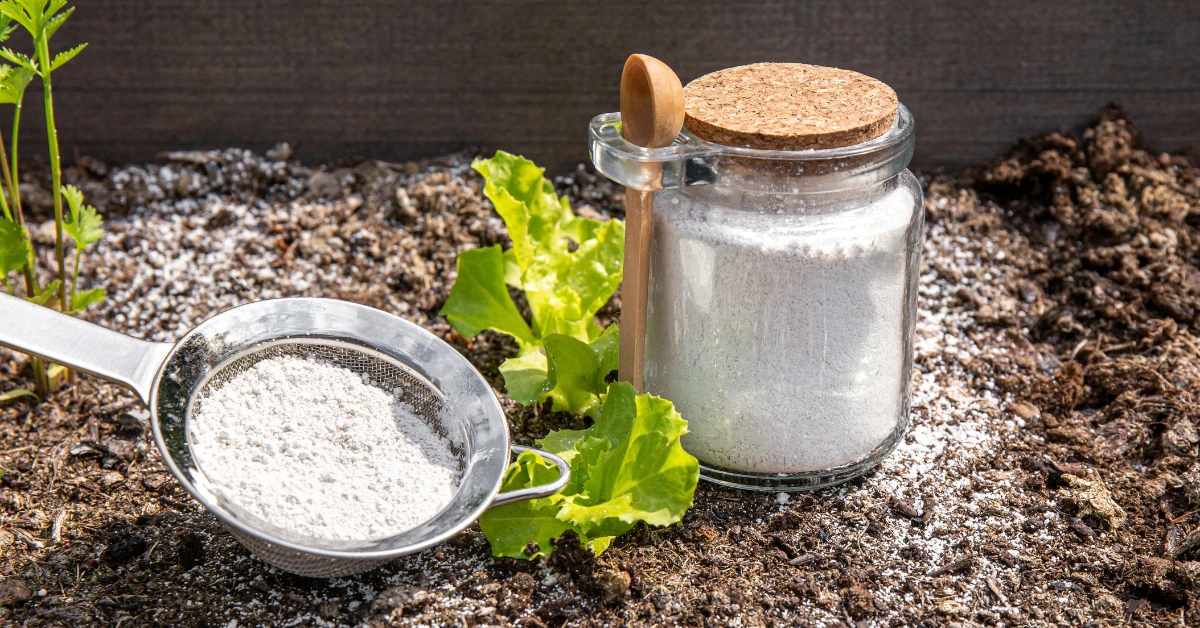
Diatomaceous earth powder in a jar and sieve next to a plant on garden soil

What Is Diatomaceous Earth Used For? The Truth About Garden, Pet, Pool & Human Uses 

Diatomaceous earth is a natural powder made from the fossilized shells of tiny water organisms called diatoms. People use it mainly as a mechanical insecticide for crawling bugs, an anticaking agent in livestock feed, a clarifying agent for wine and beer, and a filter material in swimming pools. One bag at the garden store treats […]

Continue Reading
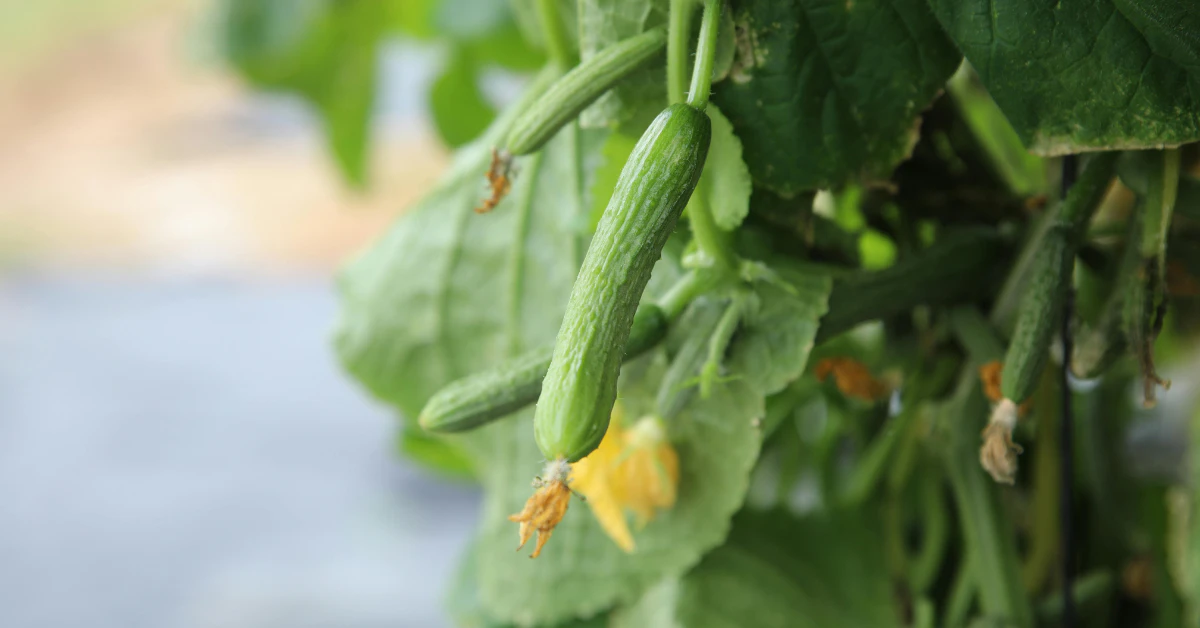
Yellow cucumber growing on vine in garden

Why Are My Cucumbers Yellow? The Complete Diagnostic Guide to Saving Your Harvest

You went out to check your cucumber vines and found a fat yellow cucumber where a crisp green one should be. That’s annoying, especially if you’ve been watering and feeding your plants like clockwork. Here’s the quick answer. Yellow cucumbers almost always come down to one of three things: the fruit got too ripe before […]

Continue Reading
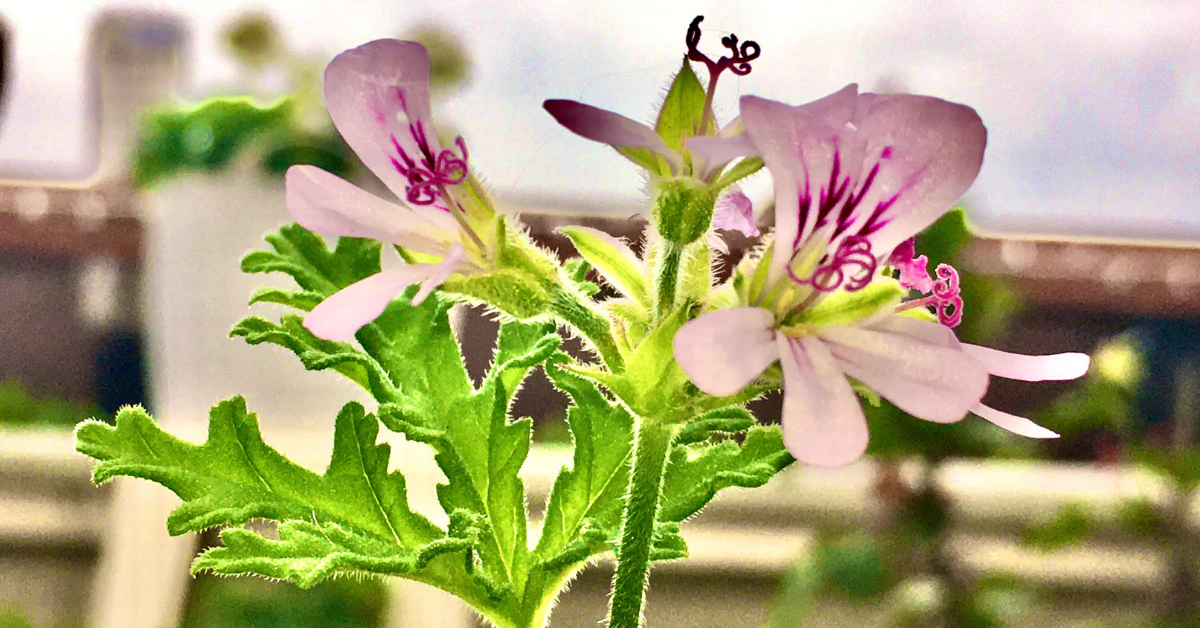
Citronella geranium plant with lacy lobed leaves compared to true citronella grass

The Ultimate Citronella Mosquito Plant Guide: Care, Pet Safety, and the Repellent Myth

The plant sold as a “citronella mosquito plant” is usually a scented geranium (Pelargonium sp.), not true citronella grass. It’s hardy in USDA Zones 9-11 and grown as a houseplant or annual elsewhere. The short version on whether it works: a 1996 University of Guelph study found the living plant does not repel mosquitoes. So […]

Continue Reading
Are Chrysanthemums Toxic to Cats? The Ultimate Safety Guide

Are Chrysanthemums Toxic to Cats? The Ultimate Safety Guide

Yes, chrysanthemums are toxic to cats. These popular fall flowers contain pyrethrins and sesquiterpene lactones, two compounds that can make your cat sick if eaten. Even a small nibble can cause real discomfort. Fall is mum season. Garden centers fill up with pots in orange, yellow, red, and white, and they end up on porches […]

Continue Reading