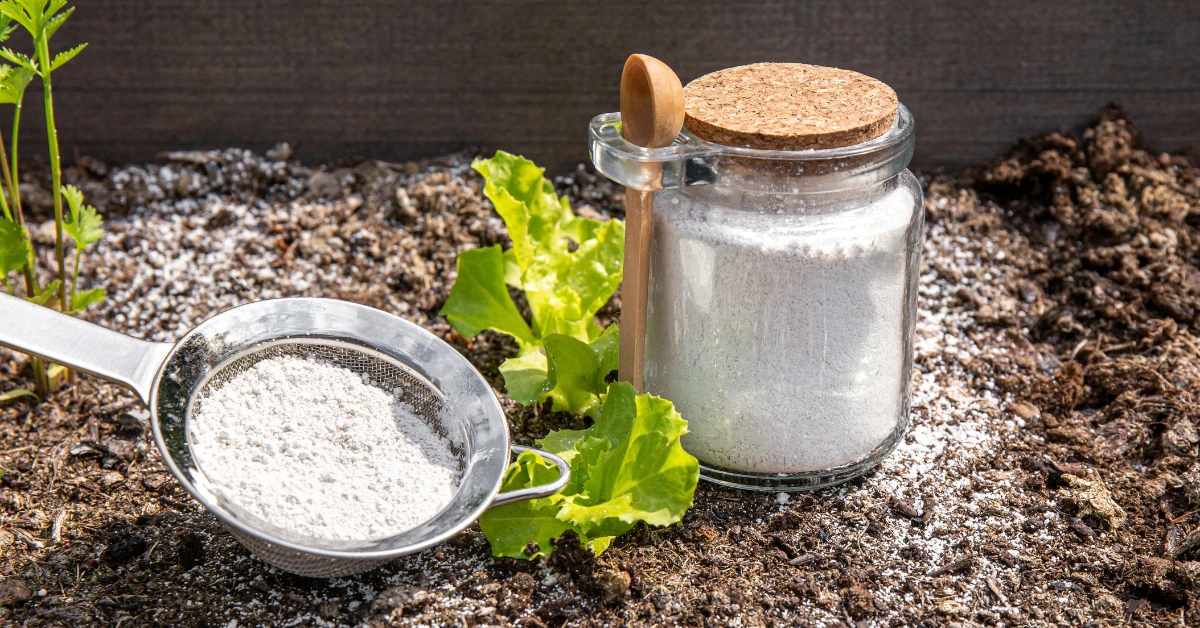
Diatomaceous earth is a natural powder made from the fossilized shells of tiny water organisms called diatoms. People use it mainly as a mechanical insecticide for crawling bugs, an anticaking agent in livestock feed, a clarifying agent for wine and beer, and a filter material in swimming pools.
One bag at the garden store treats slugs and backyard chickens. Another bag at the pool supply store looks almost the same, but it works in a very different way. This mix-up confuses a lot of people. This guide covers every common use, from gardens to pets to pools, so you know exactly which type you need.
Safety and Toxicity Callout
Whether diatomaceous earth is safe depends on the grade and the exposure. Food-grade DE, made mostly of amorphous silica, is FDA GRAS-listed and not linked to human cancer. Pool-grade DE is heat-treated and contains much more crystalline silica, a real inhalation hazard.
What Is Diatomaceous Earth and How Does It Work?
Diatomaceous earth is made from diatoms, tiny water creatures with hard shells. Over thousands of years, those shells piled up and turned into soft rock. Most of that rock is amorphous silicon dioxide, a natural mineral form of silica that has no fixed crystal shape. It also holds small amounts of crystalline silica, which has a more rigid structure.
This powder does not poison insects the way a chemical spray does. It works by touch alone. Each tiny particle is sharp and very absorbent. When a bug crawls over it, the particles scrape the waxy layer off its shell and soak up the oils underneath. Without that waxy coating, the insect loses water fast and dries out until it dies.
The EPA has registered diatomaceous earth products against a solid list of crawling pests. These include ants, cockroaches, fleas, ticks, bed bugs, crickets, and spiders.
Two limits trip up a lot of first-time users. First, DE only works while it stays dry. The moment it gets wet, the particles can no longer pull moisture from an insect’s body. Second, DE only kills bugs that are already moving around, meaning adults, larvae, and nymphs. It does nothing to eggs.
Since eggs survive untouched, a single treatment is never enough. New pests keep hatching, so repeat applications are needed to break the full life cycle.
Food-Grade vs. Pool-Grade DE: Why the Wrong Bag Can Hurt You

Not all diatomaceous earth is the same. If you have a leftover bag from the pool store, do not sprinkle it in your garden.
Food-grade DE is the type made for pest control, feed, and household use. It is dried at low heat and stays mostly amorphous silica, the same soft mineral form covered earlier. It contains less than about 3% crystalline silica. The FDA lists it as Generally Recognized as Safe. Farmers use it as an anticaking agent so feed does not clump, and food and beverage makers use it to clarify wine and beer.
Pool-grade DE, also called filter-grade DE, is a different product. It goes through a heating process called calcining, which means it is baked at very high temperatures. That heat changes its structure. Up to about 70% of the silica in calcined DE turns into crystalline silica. This makes it excellent at trapping tiny debris in a pool filter, but it is a poor choice for pest control and a real health risk if inhaled.
Breathing in crystalline silica dust over time is linked to silicosis, a serious and permanent lung disease, along with chronic bronchitis. Never use pool-grade DE in your garden, your coop, or around pets.
Even food-grade DE is not something to breathe in on purpose. Its dust can cause mild, reversible irritation in the lungs and eyes. Wearing a simple dust mask while applying it is an easy habit worth keeping.
What Is Diatomaceous Earth Used For in the Garden? (What Entomologists Actually Say)

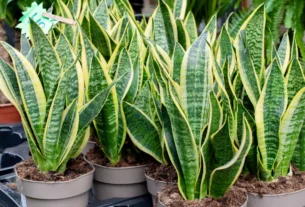
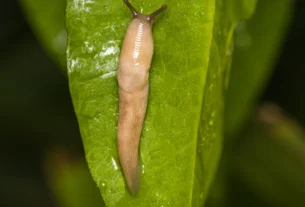
Gardeners use diatomaceous earth in a few specific ways. Around vegetable beds, a ring of dry powder acts as a barrier against slugs and snails, since the sharp particles are hard for their soft bodies to cross. At the base of squash plants, DE is sometimes dusted on to discourage squash bugs. Indoors, a thin layer on top of houseplant soil can help cut down on fungus gnats laying eggs near the surface.
That fungus gnat tip comes with a bigger caveat. Extension experts note the real long-term fix is letting the top inch or two of potting soil dry out between waterings. DE is a helper, not a replacement for that habit.
Here is where the story gets more honest than most garden blogs let on. University extension entomologists do not all agree on how well DE actually works.
University of Minnesota Extension entomologist Jeff Hahn calls it “moderately effective” as a slug barrier, but only in dry weather. At Colorado State University Extension, entomologist Whitney Cranshaw notes that DE combined with pyrethrins is an approved treatment for squash bugs in certified organic vegetable growing, though that is DE working alongside another ingredient, not alone.
University of Georgia Extension entomologists Paul Guillebeau and Elizabeth Little take a firmer stance. They state that DE “is not recommended” for garden insect control at all. Their reasoning is practical: humidity wipes out its effect almost as fast as you apply it, and using it safely without breathing in the dust is genuinely hard to do outdoors.
None of this means DE is useless. It means it works best as one small tool in dry weather, not as a guaranteed fix for every garden pest.
How to Apply DE on Plants: Solving the “Wet vs. Dry” Paradox and Climate Caveat
DE only kills bugs while it is dry. So why do so many product labels tell you to mix it with water first?
The answer is simple once you see it. Dry powder does not stick well to smooth leaves, especially on the undersides where many pests hide. Mixing DE with water lets you spray it evenly across those hard-to-reach spots. The wet spray itself does nothing to insects. It just carries the powder to where it needs to go.
Once the water evaporates, a thin, chalky film of DE is left clinging to the leaf. That dry film is what actually works. The spray step is really just a delivery method, not a different way of killing bugs.
This means timing still matters. Spray in the morning or evening when leaves can dry fully before the next rain or heavy dew rolls in.
Regional and Climate Caveat
USDA Hardiness Zone numbers measure winter cold. They do not predict whether DE will work in your yard. Humidity, morning dew, and rainfall are what actually matter. A gardener in a dry, inland part of zones 7 through 10, such as much of the Southwest, may get several days of protection from one dusting. A gardener in humid zones 7 through 9, such as the Southeast, Gulf Coast, or Pacific Northwest, often finds that heavy morning dew wipes out DE overnight, turning reapplication into a near-daily task.
Pollinators, Earthworms, and Compost: The Beneficial Insect Trade-Off
Diatomaceous earth cannot tell good bugs from bad ones. Its sharp particles work on any insect with an exoskeleton, which means honeybees, ladybugs, and green lacewings are just as vulnerable as aphids and beetles.
To protect pollinators, a few simple habits go a long way. Never dust DE directly onto open blossoms. Watch where spray drifts, since flowering weeds nearby can attract bees too. If you apply DE at dusk, after bees have finished foraging for the day, you cut the risk of direct contact way down.
There is good news for soil builders. Earthworms do not have the same rigid, waxy exoskeleton that insects do, so DE does not harm them the way it harms crawling pests. This makes food-grade DE a safe option to sprinkle into compost piles or vermicompost bins to help control fruit flies or mites, without putting your worms at risk.
Wider wildlife is generally in the clear too. According to NPIC, diatomaceous earth is practically non-toxic to fish and aquatic invertebrates, and it is not known to harm birds or other wildlife.
What Is Diatomaceous Earth Used For With Pets and Backyard Chickens?

Backyard chicken keepers use food-grade DE in two solid, verified ways. Mixed into stored feed, it works as an FDA-approved anticaking agent, keeping the feed dry and free of clumps and weevils. Sprinkled lightly into coop crevices, nesting boxes, and dust-bathing areas, it can help control external parasites like mites and lice.
That said, chickens have sensitive lungs, so heavy dust clouds in an enclosed coop are worth avoiding. It is also important to be clear about what DE cannot do. According to NPIC, there is no scientific evidence that feeding diatomaceous earth to chickens, dogs, or cats kills internal worms or parasites. This guide will not give you a feeding amount for animals, since no verified dosage exists, and no reliable source backs up claims that it improves egg size.
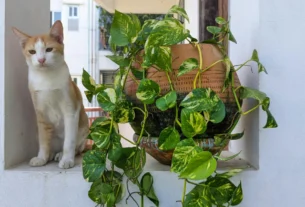
For dogs and cats, the picture is more mixed. Some EPA-registered DE products are labeled for direct application to a pet’s coat against fleas and ticks. Even so, many veterinarians advise against dusting it directly onto an animal. Their concerns are practical. The powder can dry out skin, it poses a real inhalation risk to a pet’s lungs, and it does not kill flea eggs, so it rarely solves an infestation on its own.
The safest approach is to talk with your vet before using DE on a pet. Keep young children away from airborne dust during application too. Current data does not show kids are more sensitive to DE specifically, but caution around any fine dust is simply good sense.
What Is Diatomaceous Earth Used For in Pools? Filtration and Legal Disposal Rules

Pool filters use a different kind of diatomaceous earth than your garden does. This is calcined DE, meaning it has been heat-treated. Inside a pool filter, it coats internal grids like a microscopic sponge, trapping particles far smaller than a sand or cartridge filter can catch. This is what makes DE filters so good at clearing cloudy water.
Remember that this calcined product is built for pool equipment only. It should never end up in a garden bed, a chicken coop, or anywhere near a pet.
Here is something almost no gardening guide mentions: what happens after you backwash a DE pool filter. NPIC notes that diatomaceous earth is chemically “practically non-toxic” to fish. But that does not mean it is harmless once it leaves your pool. A thick slurry of spent DE, washed into a street or storm drain, physically coats creek beds downstream and can smother fish and aquatic insects living there.
Because of this, several state and local laws specifically outlaw dumping DE backwash into streets or storm sewers. Wisconsin’s Administrative Code ATCP 76.11(6)(c) and Minnesota’s pool rule 4717.3050 both address this, and cities across California and Texas have their own ordinances too. Instead, homeowners should route backwash through a separation tank or follow their city’s sanitary sewer or lawn-settling guidelines.
What Is Diatomaceous Earth Used For in Humans? “Detox” Myths vs. Cancer Risks
Food-grade diatomaceous earth has a couple of legitimate roles in the food industry. Under FDA GRAS rules, it helps filter and clarify beer and wine, and it keeps stored grain from clumping. Those uses are well documented and unremarkable.
Where things get shakier is social media. Wellness trends often push drinking food-grade DE for “internal detox,” heavy-metal removal, parasite cleansing, or stronger hair and nails. Independent fact-checkers at Health Feedback, along with WebMD, have looked into these claims and found no solid scientific evidence behind them. In fact, nutrition science has not even established a recommended daily amount of silica for humans, so any specific dosing advice you see online is not based on real data.
Now for the question a lot of readers are really asking: does diatomaceous earth cause cancer? The honest answer depends entirely on the form and the exposure.
Amorphous silica, the main ingredient in food-grade DE, is not linked to cancer in humans, according to NPIC. In lab studies, rats fed high doses of silica for two years showed no increase in cancer.
The real risk comes from crystalline silica, which IARC classifies as a Group 1 human carcinogen when inhaled. CDC and NIOSH studies of diatomaceous earth quarry and processing workers in California found elevated silicosis and lung cancer rates tied to years of heavy industrial dust exposure.
That is a completely different situation from a home gardener wearing a simple dust mask while sprinkling food-grade DE around tomato plants.
Frequently Asked Questions About Diatomaceous Earth
What are the downsides of using diatomaceous earth?
It cannot tell good bugs from bad ones, so bees, ladybugs, and lacewings are at risk along with pests. Rain, dew, or irrigation stop it from working almost instantly. Its fine dust can also irritate your nose, throat, lungs, skin, and eyes.
What bugs will diatomaceous earth get rid of?
The EPA has registered it against ants, fleas, ticks, spiders, roaches, crickets, and bed bugs. Gardeners also use it on slugs, snails, aphids, and beetles. It only works on contact, and it kills adults and larvae, not eggs.
Is diatomaceous earth safe to use on dogs?
The answer is not a simple yes. Some EPA-registered products are labeled for direct pet use and are considered low-toxicity by NPIC. Still, many vets caution against dusting a dog’s coat directly, since inhaling it can irritate the lungs and it will not kill flea eggs.
How do you use diatomaceous earth on plants?
Sprinkle a light, dry layer of food-grade DE on soil or leaves where pests crawl. You can also mix it with water and spray it on foliage, but it only starts working once the water dries and leaves a thin powder film behind.
Is it okay to mix diatomaceous earth with potting soil?
Yes. A thin dusting on top of the soil can help reduce fungus gnats laying eggs, according to Extension guidance. The real long-term fix, though, is letting the top 1 to 2 inches of soil dry out between waterings.
Can I touch diatomaceous earth with my hands?
Brief contact is low risk, but the powder is absorbent and abrasive. It can dry out and irritate your skin the same way it dries out insects. Extension sources recommend washing your hands afterward and wearing gloves for repeated use.
Conclusion
Diatomaceous earth is not one single product with one single answer. Food-grade DE is a mild, EPA-registered tool for crawling pests, a safe anticaking agent in feed, and a harmless addition to your compost bin. Pool-grade DE is a completely different, heat-treated material that belongs only inside a filter. Knowing which bag you have, and what it can and cannot do, is the real key to using it safely around your garden, your pets, and your family.