No, you cannot grow a banana tree from a banana fruit you bought at the store. The fruit itself has no seed and no growth tissue that can root. If you want a real banana plant, you need to start from a different part of the plant, not the fruit you eat.
Chances are you landed here after watching a video that made this look easy. Someone slices a banana, sticks a piece in soil or water, and a few weeks later claims to have a sprouting tree. It looks convincing. It is not real.
The good news is that growing your own banana plant is still very possible. You just need to use the right method, which has nothing to do with the fruit on your counter. We will walk through exactly how it works below.
The Myth of the Grocery Store Banana (Why It Fails)
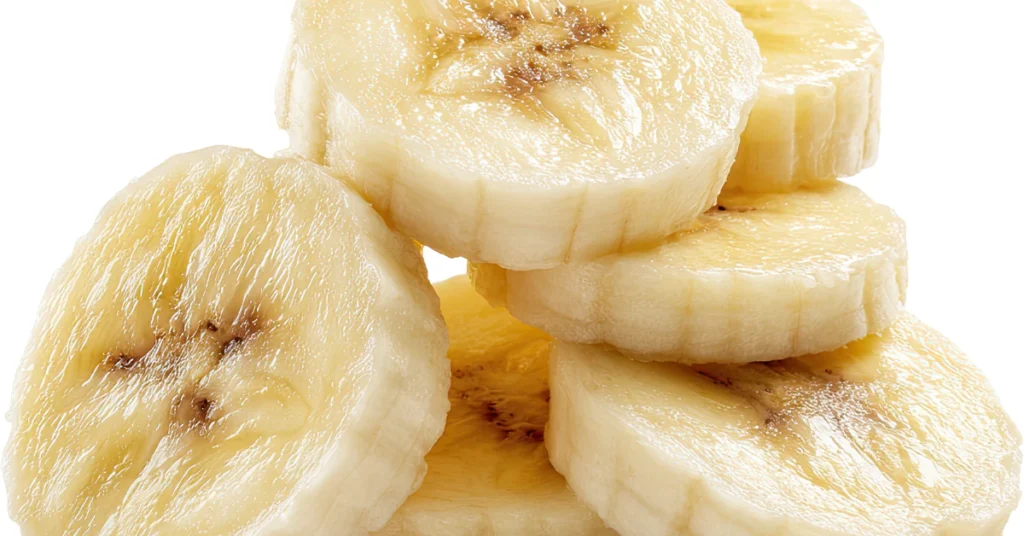
Here is the real reason planting a banana won’t work. It comes down to genetics, not bad luck or a dry patch of soil.
The bananas sold in US grocery stores are almost always a variety called Cavendish. Over many years, growers bred Cavendish bananas to have no seeds at all. Scientists call this type of plant a sterile triploid. That sounds complicated, but it just means the plant has an odd number of chromosome sets, which stops it from making working seeds. No working seeds means nothing to plant.
You have probably noticed tiny black specks when you slice open a banana. A lot of people assume these are seeds just waiting to sprout. They are not. Those specks are immature ovules, basically seeds that never finished developing. They have no embryo inside and no way to grow into a plant. This is likely why so many people searching for how to grow a banana tree from a banana seed end up stuck and confused.
So does that mean banana seeds do not exist anywhere? Not quite. Wild and ornamental banana varieties do produce real, viable seeds. These are different plants than the one that gave you your breakfast banana. If you want to try true seed growing, you would need to source seeds from one of these wild or ornamental types, not from a piece of fruit at the store.
This is the piece most videos and quick online guides skip. They show someone planting a banana slice without ever explaining that the plant behind your grocery store fruit was specifically bred to remove this option. Once you understand the biology, the whole process makes a lot more sense.
Mythbusting: The “Water Propagation” Trend
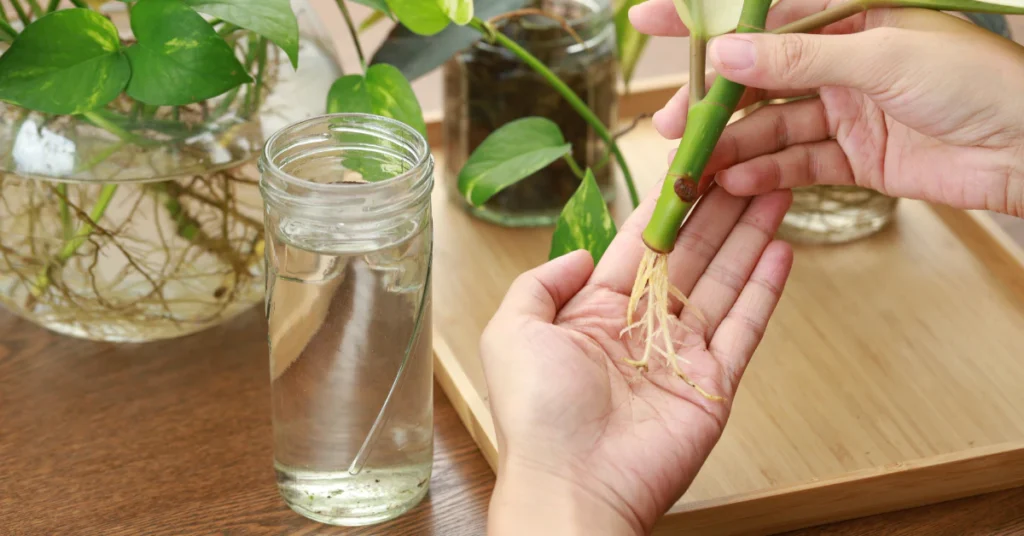
You may have seen this one too. Someone drops a whole banana, peel and all, into a glass of water and leaves it on a sunny windowsill. A few weeks later, they claim roots are forming.
This does not work. There is no science behind it. A banana fruit has no roots to grow and no viable seed to sprout, so sitting it in water changes nothing. People searching for how to grow a banana tree from a banana in water are usually finding this same viral trick, and it leads nowhere.
Real water use in banana growing looks completely different. It shows up in two legitimate ways.
Soaking seeds. If you have gotten your hands on true banana seeds, from a wild or ornamental variety, soaking them in warm water for 24 to 48 hours helps soften the hard outer seed coat. This makes it easier for the seed to sprout once it is planted.
Soaking pup roots. When you separate a pup, which is a baby banana plant that grows from the base of an older plant, you can briefly dip its roots in water before placing it in soil. This is not the same as floating a whole banana fruit for weeks.
So water does play a small, real role in banana propagation. It just has nothing to do with the fruit itself. Skip the jar trick and save yourself the wait.
The 3 Real Ways to Grow a Banana Plant (Comparison)
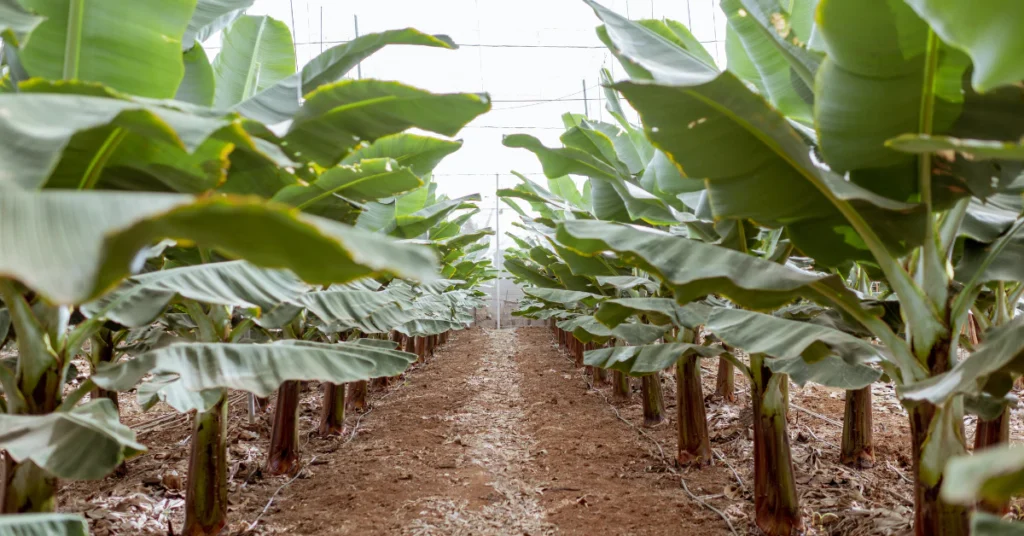
Now that the fruit-planting idea is off the table, here is what actually works. There are three real paths to growing a banana plant, but only one of them makes sense for most home gardeners.
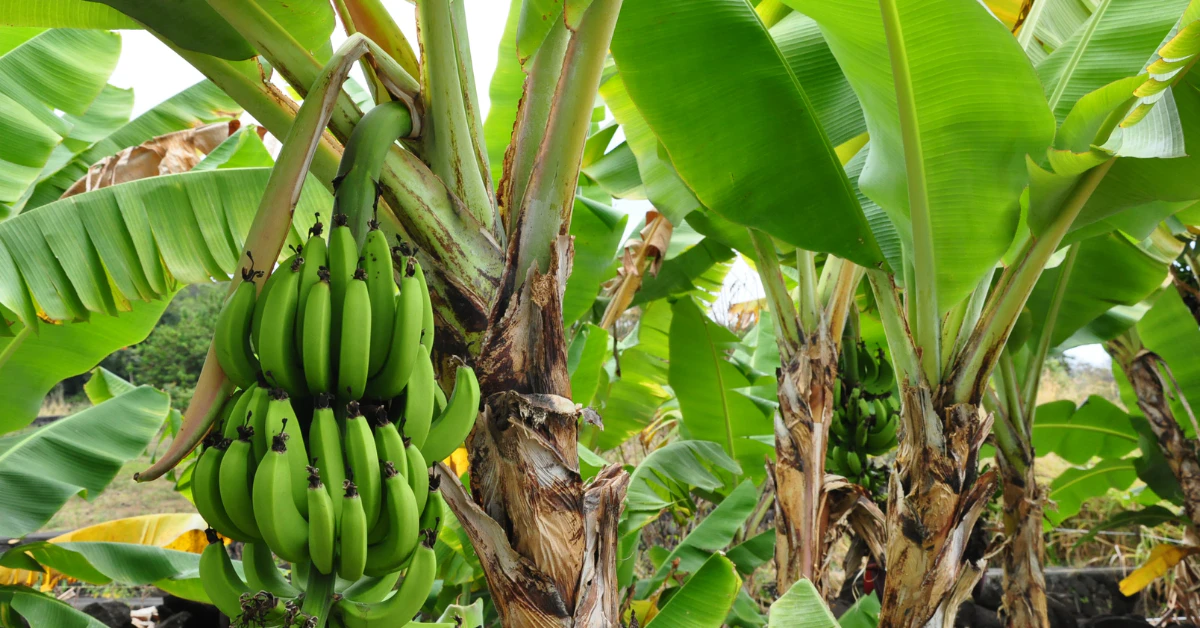
Pups and division. This is the method real growers use, and it is by far the easiest option at home. A pup is a baby banana plant that sprouts from the base of a mature plant’s underground stem. To get one, you dig up part of the plant and cut away a pup that already has at least five leaves of its own, using a clean, sharp knife. Because the pup is already a small, rooted plant, it grows fast and often fruits within a year or two under the right conditions.
True seed. This path only works with wild or ornamental banana varieties that actually produce viable seeds, not the Cavendish type found in grocery stores. Seeds need their hard outer coat softened first, usually by soaking in warm water for 24 to 48 hours. Even after that, germination can take anywhere from two weeks to two months. Then comes the real test of patience. A seed-grown banana plant can take three to six years or more before it produces its first fruit.
Tissue culture. This is how most commercial growers and nurseries produce new banana plants at scale. Small pieces of plant tissue are grown in a sterile lab setting until they become full young plants. It produces large numbers of identical, disease-free plants, but it requires lab equipment and conditions home gardeners simply do not have.
Here is how the three stack up side by side.
| Method | Difficulty | Time to Fruit | Good for Home Gardeners? |
| Pups and division | Easy | About 1 to 2 years | Yes, this is the standard method |
| True seed | Moderate to hard | 3 to 6+ years | Only for wild or ornamental varieties |
| Tissue culture | Very hard | Varies | No, this is a commercial-only process |
If you want a banana plant that grows fast and has the best shot at fruiting in your lifetime, pups and division are the way to go. Seeds are a fun project if you are patient and curious. Tissue culture is not something you need to worry about at home.
How to Propagate via Pups (The Right Way)
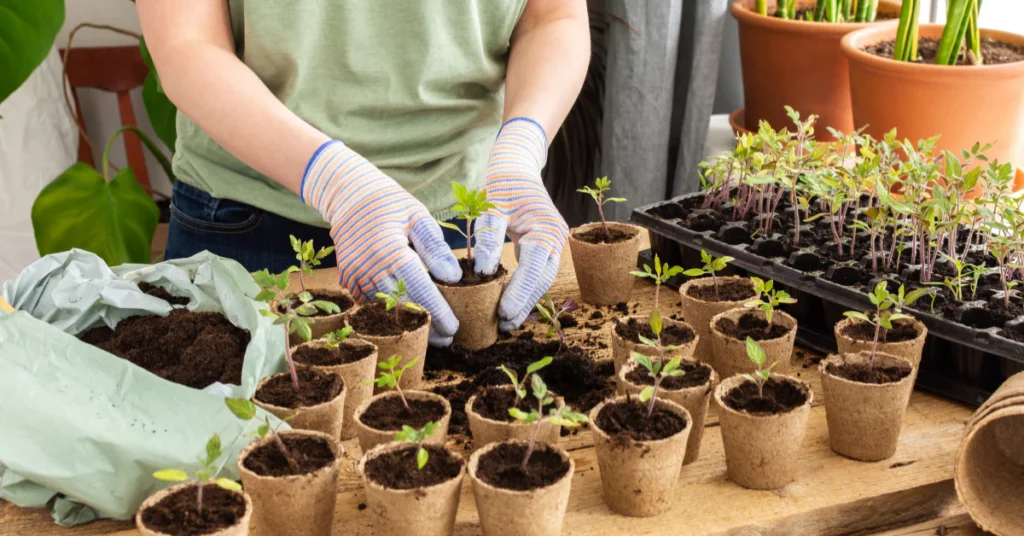
This is the part you actually came for. If you want a real walkthrough of how to grow a banana tree from a banana stem, this step-by-step process is the one that works.
Here is how to do it right, from start to finish.
- Find a mature plant with pups. Look at the base of an established banana plant. You should see smaller shoots growing up around it. These are pups, and they are basically clones of the parent plant.
- Pick a pup with at least five leaves. A smaller pup is not ready yet. Wait until it has five full leaves of its own. This means it has built up enough of its own root system to survive on its own once separated.
- Gather a sharp, clean knife. Before you cut anything, make sure your knife is sterile. A dirty blade can spread disease between plants, so wipe it down with rubbing alcohol first.
- Dig around the pup carefully. Loosen the soil around the base of the pup so you can see where it connects to the mother plant underground.
- Cut the pup away with a chunk of corm attached. This is the step most people get wrong. The corm is the thick, bulb-like underground stem that the pup is growing from. If you cut the pup away without keeping enough corm attached, roughly a fist-sized piece, the pup will not have enough stored energy to survive and will likely die within days. Make sure your cut gives the pup a solid piece of that corm, not just a thin sliver.
- Keep the pup’s own roots intact. Try not to tear or break the roots that are already growing on the pup itself during the separation.
- Pot the pup right away. Place it in a container with moist, well-draining soil. Do not pack the soil too tightly around it.
- Go easy on water at first. Right after separation, the pup is recovering from a stressful cut. Water it lightly rather than soaking it, since too much moisture at this stage can lead to rot before the roots settle in.
- Give it partial shade to start. Once new leaves begin to appear and the plant looks like it is settling in, you can gradually move it into full sun.
Follow these steps in order and you are following the same method growers actually use, not a shortcut pulled from a viral video. It takes a little patience, but it is a reliable way to end up with a healthy new banana plant.
Zone-by-Zone Guide & Winter Care Expectations
Where you live changes everything about this plant. A banana that thrives in Florida might barely survive a single winter in Ohio. Here is what to expect based on your actual growing zone.
Zones 9b to 11: The Ideal Range
If you live in USDA zones 9b through 11, you are in banana country. This includes much of Florida, southern Texas, and similar warm regions. Standard edible banana varieties can live outdoors year-round here, and with enough time and good care, they can actually produce fruit.
Zone 8: Possible, But Timing Is Everything
Zone 8 sits right on the edge. Banana plants in zone 8b and 9 only produce fruit when winter temperatures stay above freezing. That is a narrow window, and it does not happen every year. You might get a healthy, good-looking plant without ever seeing a single banana, simply because one cold snap at the wrong time can stop fruiting before it starts.
Zones 5 to 7: Grow It for the Leaves, Not the Fruit
This is where expectations need to shift the most. If you garden in zone 5 through 7, think of the Midwest, much of the Northeast, or similar cold-winter regions, standard edible bananas simply will not survive outdoors.
There is a cold-hardy option worth knowing about here: the Japanese banana, or Musa basjoo. This ornamental variety can survive as a perennial down to USDA zone 5 and tolerate temperatures as low as about 18°F. That is genuinely impressive for a plant most people think of as strictly tropical.
But here is the honest part. Even Musa basjoo in these colder zones will almost never fruit. Bananas need close to a full year of frost-free growth to flower and set fruit, and northern winters simply do not allow for that.
So what do northern growers actually do? Many treat it as a cut-back perennial. Before the first hard frost, they cut the stalk down close to the ground and mulch heavily over the root area. The plant dies back completely above ground, then resprouts from the rhizome the following spring. You get big, dramatic tropical-looking leaves every summer. You just should not expect bananas to go with them.
Pet Safety & Environmental Impact
Here is some good news if you share your home with pets. Edible banana plants, or Musa acuminata, are ASPCA-verified non-toxic to dogs, cats, and horses. You can find this listing directly on the ASPCA’s toxic and non-toxic plant database. That means a curious dog or cat chewing on a leaf is not a poison emergency.
There is good news for your garden too. Edible banana plants are not considered invasive, based on assessments from the University of Florida’s IFAS program.
One small caveat is worth knowing. The ornamental variety Musa rosa behaves differently and can spread aggressively if left unchecked. If you are growing an edible banana for fruit, this is not something you need to worry about.
Frequently Asked Questions
Can you grow a banana tree with just a banana?
No. A grocery store banana has no viable seed and no root tissue that can grow into a plant. The fruit itself is simply not capable of becoming a new banana tree, no matter how it is prepared or planted.
Can you grow bananas from grocery store bananas?
Not directly from the fruit, but you can grow a banana plant that produces grocery-style bananas. The trick is getting a pup, a small rooted offshoot taken from an existing banana plant, rather than trying to plant the fruit you bought.
Can we grow a banana tree from banana seeds?
Only if those seeds come from a wild or ornamental banana variety. Standard grocery store bananas, usually Cavendish, are bred to be seedless. The specks inside are not real seeds, so they will never sprout.
How to get a banana tree to grow bananas?
Choose the right zone and give the plant close to 10 to 12 months of frost-free growing time. Full sun, consistent moisture, and starting from a healthy pup all improve your odds of actually seeing fruit.
Can you root a banana in water?
Not the fruit itself, since there is nothing in it to root. What does work is briefly soaking a pup’s roots in water before potting, or soaking true banana seeds in water to soften their hard outer coat before planting.
How many times will a banana tree produce bananas?
Each individual stalk flowers and fruits exactly one time, then it is done. The good news is the rhizome underneath, the plant’s underground stem, keeps sending up new pups and can stay productive for about 4 to 5 years.
Do banana trees need to be cut back every year?
It depends on your climate. In cold winter regions, growers cut the stalk back every year before frost hits, since the top growth cannot survive the cold. In warm, tropical zones, the stalk is only cut down after it fruits, not on a yearly schedule.
What is the lifespan of a banana tree?
A single stalk lives for about 15 months to 2 years, from the time it first appears to when it is harvested and cut down. The plant as a whole can keep going much longer than that, since the rhizome continues producing new stalks for years.
Why do farmers cut down banana trees after harvest?
Because that stalk has already done its one job of fruiting and will not fruit again. Cutting it down clears space and redirects the rhizome’s energy into the next pup, which keeps the plant productive instead of wasting resources on a spent stalk.