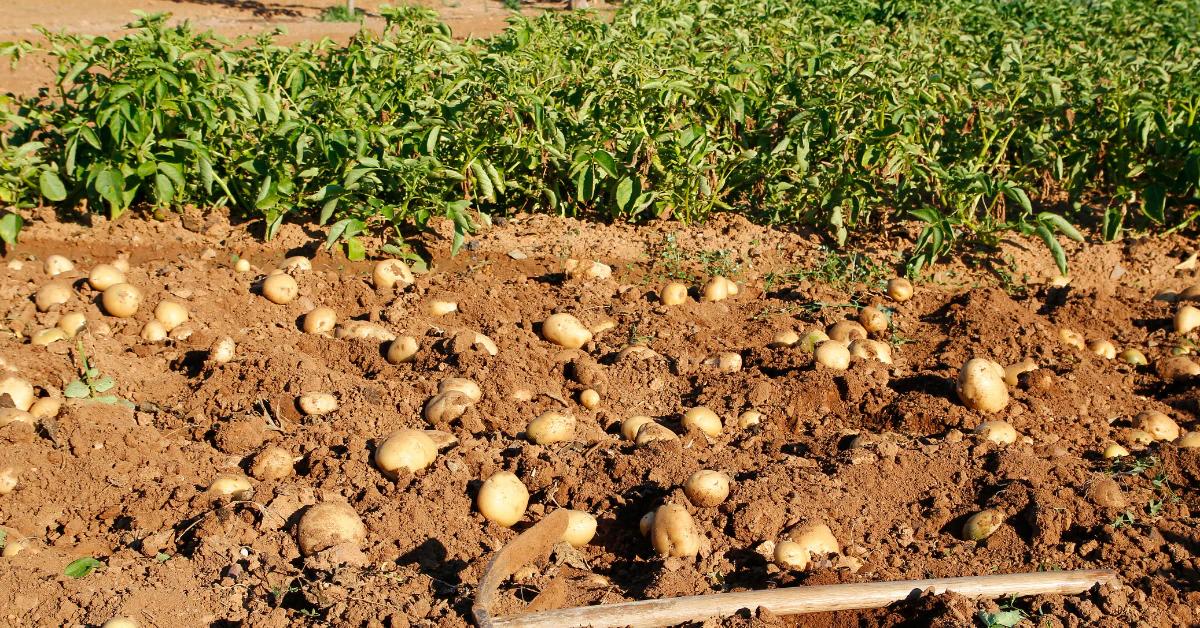
Most potatoes take between 60 and 135 days to grow, from planting to harvest. Early varieties are ready in 60 to 80 days. Mid-season types need 80 to 100 days. Late-season potatoes take the longest, often 100 to 135 days, according to University of Minnesota Extension.
That range is just a starting point, though. Your actual timeline depends on where you live, which variety you plant, and how you grow them. A potato in a Florida garden follows a very different clock than one in Michigan soil. A potato in a grow bag behaves a bit differently than one planted straight in the ground.
This guide breaks all of that down. You will find growing times by method, planting windows by region, common mistakes to avoid, and answers to the questions gardeners ask most.
The Core Timeline: Why Your Seed Packets Are Lying to You
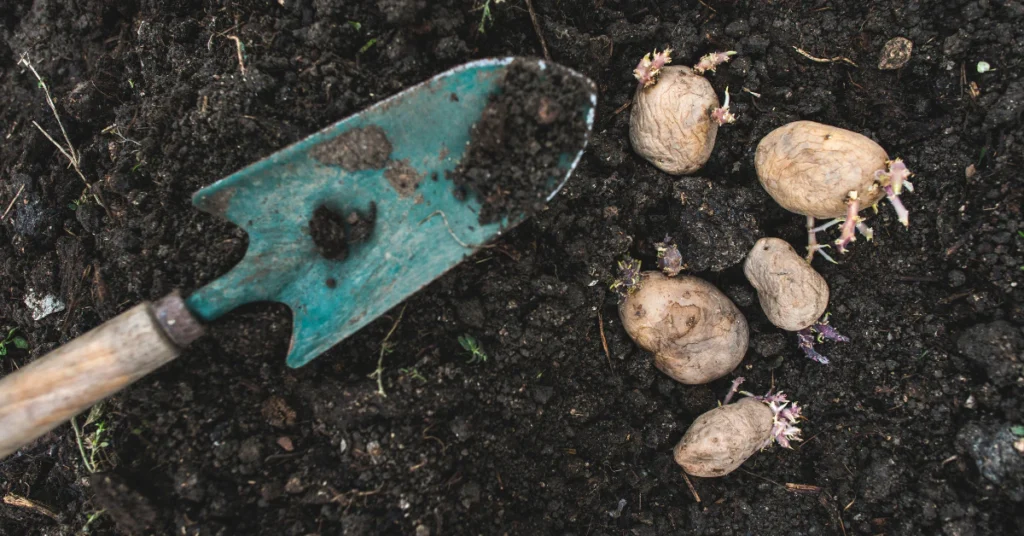
That number on your seed packet is not quite the full story. Days to maturity (DTM) counts from the day your plant emerges from the soil, not the day you planted it. A potato planted in cold, slow soil might take one to three weeks just to sprout. So if your packet says 80 days, plan for closer to 90 to 100 days from planting to harvest. Add 10 to 21 days to any printed DTM number to get a realistic picture.
This is one reason so many gardeners panic mid-season, convinced something has gone wrong. Nothing has. The clock simply starts later than most people assume.
Most home gardeners grow potatoes from sprouted seed potatoes, not true botanical seed. A seed potato is just a small tuber, or a piece of one, with at least one eye. Once that eye sprouts and pushes above the soil line, the real countdown begins. This is different from starting a plant like a tomato from true seed, where germination and emergence happen much faster.
One strong warning here. Never plant potatoes bought from the grocery store. According to University of Minnesota Extension, grocery store potatoes are often treated with sprout inhibitors, so they grow slowly or not at all. They can also carry diseases that linger in your soil for years. Always buy certified seed potatoes from a garden center or seed supplier instead.
Method Matters: Ground, Containers, Bags, and Buckets
The good news first: your potato plant does not care much whether it is growing in open garden soil, a fabric bag, or a plastic bucket. The days-to-maturity timeline stays roughly the same across all of them. What changes is how much you actually harvest at the end.
In the ground
Garden soil gives potato roots the most room to spread out and form tubers. This is still the standard method most extension offices base their timing guidance on, and it tends to produce the highest yield per plant.
In pots, bags, and buckets
Container growing is a great option if you have a small yard, a patio, or no yard at all. The plant will still follow the same general days-to-maturity window as an in-ground plant of the same variety. The catch is yield. Container-grown potatoes typically produce about 50% less per square foot than potatoes grown directly in garden soil. You are not doing anything wrong if your bucket harvest looks smaller than a neighbor’s garden row. That is simply how containers work.
A few practical notes for pots and bags:
- Containers dry out faster than garden soil, so check moisture often, especially in hot weather
- Fabric grow bags drain well but need more frequent watering than solid plastic buckets
- Hilling still matters in containers. Add soil or mulch as the plant grows, just like you would in the ground
About that laundry basket trend
You may have seen a popular photo online showing a huge potato harvest grown in a plastic laundry basket. Worth clearing up: that photo, from the University of Maryland Extension, actually shows sweet potatoes, not regular white or Irish potatoes.
This matters because sweet potatoes are a completely different plant with their own timeline. They grow from slips, not seed potatoes, need warm soil to thrive, and typically take 90 to 120 days to mature. If you are growing standard potatoes in a laundry basket, follow the timing for your variety (early, mid, or late season) rather than assuming sweet potato timing applies.
Regional Timelines: From the Frost Line to the Sunshine State
Not every gardener in America plants potatoes in the spring. That is just the pattern for most of the country, and it throws off anyone growing in a warmer state.
The spring-planting states
If you live somewhere with cold winters, like Michigan, you are planting on the typical schedule. Michigan State University Extension recommends direct sowing from late April through June, with a total time to harvest of 90 to 120 days.
Before you plant anywhere in this spring window, check your soil temperature, not just the calendar. According to University of Missouri Extension, potatoes need soil that has warmed to above 45°F before going in the ground. Planting too early, while the soil is still cold, can slow down germination or cause the seed potato to rot.
Florida flips the calendar
Florida gardeners work on a completely different schedule. Instead of planting in spring to avoid frost, Florida growers plant in fall and winter to avoid brutal summer heat. According to UF/IFAS Extension, planting windows vary by region:
- South Florida: October through January
- Central Florida: November through February
- North Florida: January through February
Days from planting to tuber maturity in Florida run about 85 to 110 days.
If you garden somewhere in between these two extremes, the same basic rule applies either way. Watch your local frost dates and soil temperature rather than copying a national “plant in April” rule that may not fit your climate at all.
Growth Stages, Care, and Companion Cautions
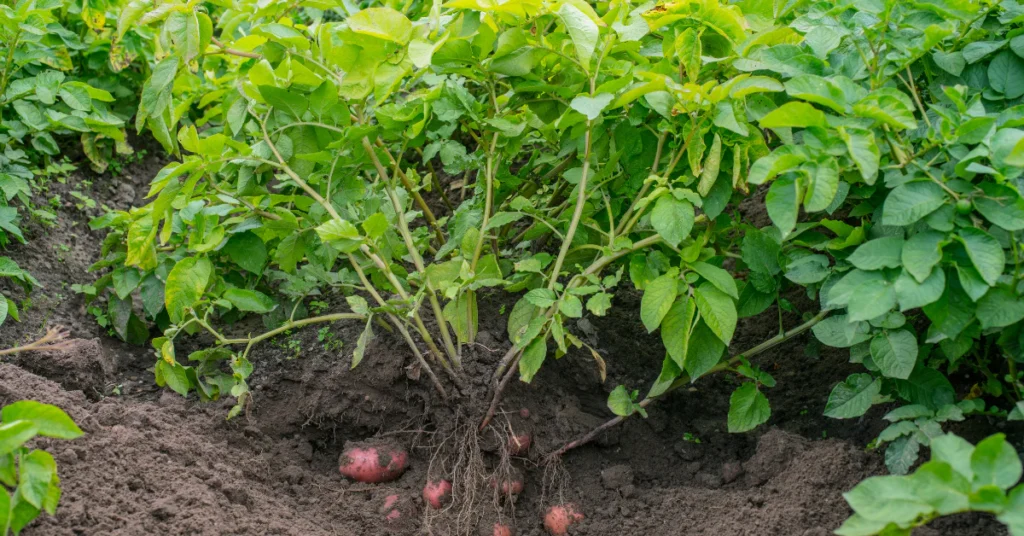
Once your potatoes are in the ground and growing, the care routine is fairly simple. A few habits matter more than others.
Watering
Potatoes do not need daily watering if they are planted in the ground. According to University of Minnesota Extension, soaking the soil thoroughly once or twice a week is enough, with about 1 inch of rainfall or watering per week being the target. Sandy soil dries out faster, so it may need more frequent watering than heavier soil. Containers are the exception here. Pots and bags dry out much faster than garden soil, so check them more often, especially during hot stretches.
Hilling is not optional
Hilling means mounding soil up around the base of your potato plants as they grow. Start once the stems reach about 1 foot tall, and repeat once or twice more through the season. By the end, you should have 6 to 8 inches of soil hilled up along the plant.
This step matters for more than just plant support. As tubers form, some grow close to the surface. If they get exposed to sunlight, their skin turns green. Green potato skin contains a compound called solanine, which is toxic and should not be eaten. Hilling keeps soil piled over those shallow tubers so they stay covered and dark, protecting your harvest from turning green in the first place. If you do spot any green patches on a harvested potato, cut them away before eating, or discard any potato that is mostly green.
Keep tomatoes far away
When planning your garden layout, do not plant potatoes near tomatoes. According to West Virginia University Extension, tomatoes and potatoes can be attacked by the same blight. Planting them close together makes it easier for disease to spread from one crop to the other. Give them separate beds or at least keep good distance between the two.
Harvesting: When to Dig and What to Expect
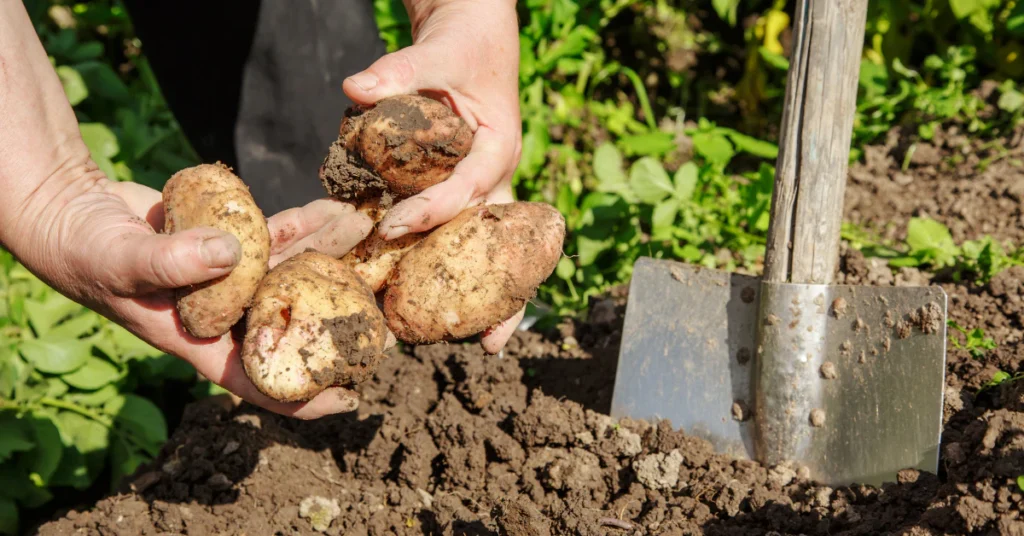
Potatoes actually give you two harvest windows, not just one.
New potatoes, around 7 to 8 weeks
If you want small, tender “new” potatoes, you do not have to wait for the full growing season. According to University of Minnesota Extension, you can dig new potatoes about 7 to 8 weeks after planting. Dig gently at the edge of a plant rather than pulling the whole thing up, so the rest of the tubers can keep growing. These young potatoes have thin, delicate skin and a slightly sweeter taste than fully mature ones.
Mature potatoes, after the vines die back
For potatoes meant to store well through fall and winter, patience pays off. Wait until the plant’s foliage and vines turn yellow and die back naturally. That is your signal the tubers have reached full size and their skins have thickened enough for storage. Choose a dry day to dig them, and use a spading fork carefully to avoid piercing the tubers.
What kind of harvest to expect
A lot of gardening content online promises a flat number, like “10 potatoes per seed potato.” Real yields are messier than that, and they depend heavily on variety and growing conditions. A more reliable way to think about it is by weight. Expect your total harvest to weigh roughly 5 to 10 times what you originally planted. So if you planted 1 pound of seed potatoes, a harvest somewhere between 5 and 10 pounds is a realistic, healthy outcome. Some varieties and ideal conditions can push that even higher, but 5 to 10 times is a dependable baseline to plan around.
Fact-Checking Viral Potato Myths
Before wrapping up, let’s clear up a few things floating around the internet.
For the gamers: yes, we see you
If you landed here because of Stardew Valley, the answer is simple. In-game, a potato planted in Spring takes 6 days to grow. No soil temperature checks required.
The “Amish method” straw trick
You may have seen videos about the “Amish method” of growing potatoes in straw instead of soil. The technique itself is real and works well. Lay seed potatoes on top of prepared soil, cover them with a thick layer of straw, and keep adding straw as the plants grow. It holds moisture, cuts down on weeds, and makes harvesting easier since you just pull back the straw by hand.
That said, gardening communities have pushed back on the “Amish” label itself. The historical origin of the name is disputed, even among people who confirm the straw method works. Think of it less as a documented tradition and more as a popular nickname for straw mulch growing.
Coffee grounds will not fix your soil
This one gets repeated constantly, but it does not hold up. According to Oregon State University Extension and University of Missouri Extension, spent coffee grounds are close to pH-neutral, not acidic. Dumping them on your potato bed will not meaningfully lower your soil’s pH. Worse, large amounts can tie up nitrogen in the soil as they break down, pulling nutrients away from your plants instead of feeding them. Save your grounds for the compost pile instead.
Frequently Asked Questions
What month do you plant potatoes?
It depends on your region. Most of the US plants in spring once soil hits 45°F, often April through June. Florida flips this, planting in fall and winter (October through February depending on the region) to avoid summer heat.
How many potatoes will I get if I plant one potato?
Expect your total harvest to weigh about 5 to 10 times what you planted. A flat “10 potatoes per seed” rule is not reliable since it varies by variety.
How do you know when potatoes are ready to dig up?
New potatoes are ready about 7 to 8 weeks after planting. Mature, storage-ready potatoes are ready once the vines yellow and die back completely.
What are common potato growing mistakes?
Planting grocery-store potatoes, planting before soil warms to 45°F, inconsistent watering (which can cause hollow heart), and skipping hilling, which lets tubers turn green in the sun.
Should potatoes be watered every day?
Not in the ground. Soak thoroughly once or twice a week, aiming for about 1 inch per week. Containers dry out faster and may need more frequent checks.
What do coffee grounds do for potatoes?
Less than you’d think. Spent grounds are nearly pH-neutral and will not acidify your soil. They can even tie up nitrogen if applied directly instead of composted first.
What cannot be planted near potatoes?
Keep tomatoes away from potatoes. Both are vulnerable to the same blight, so planting them close together raises disease risk for both crops.
What is the Amish method for growing potatoes?
It is a straw mulch growing technique: lay seed potatoes on soil, cover with straw, and add more as plants grow. Effective, though the “Amish” origin story is disputed.
What is a good natural fertilizer for potatoes?
Working compost or manure into your soil adds organic matter and micronutrients. Side-dress with fertilizer about 4 weeks after planting, then again 2 weeks later, as recommended by University of Minnesota Extension.
Conclusion
Potato growing time is not one fixed number. It shifts based on your variety (60 to 135 days), your region (spring planting up north, fall planting in Florida), and whether you’re growing in the ground or a container. The real trick is tracking your soil temperature and watching your plant’s own signals, like vine die-back, rather than just counting days on a calendar. Get the hilling and watering right, keep tomatoes at a distance, and you’ll have a realistic, healthy harvest to look forward to.