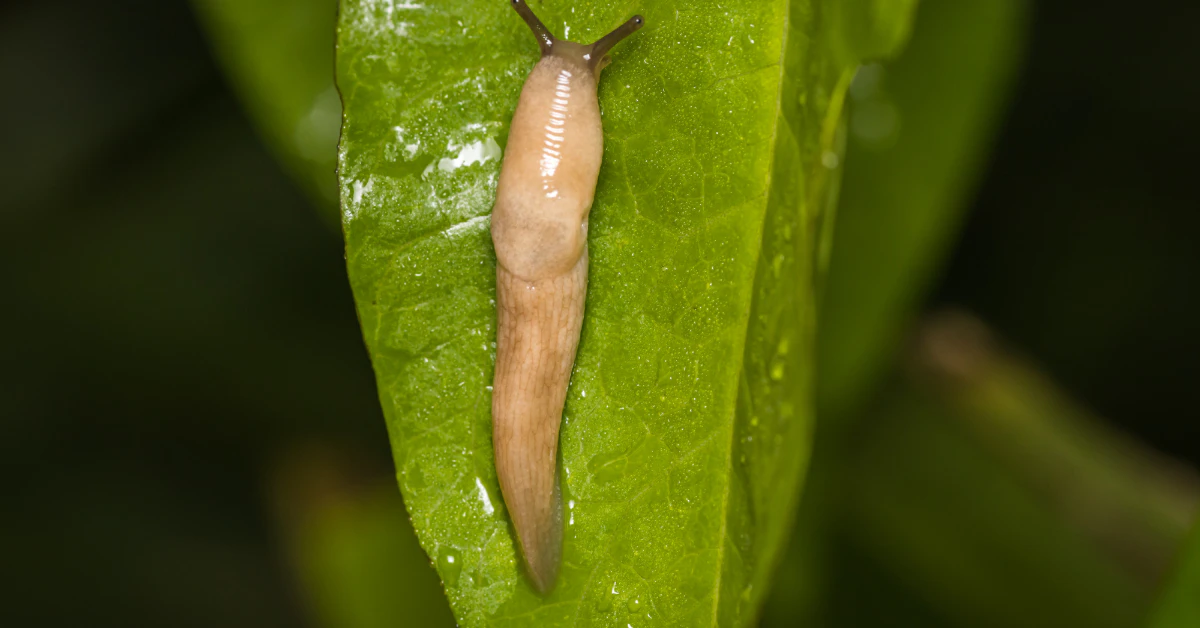
Slugs and snails have plenty of natural enemies. Ground beetles, firefly larvae, frogs, toads, snakes, and birds like thrushes and starlings all hunt slugs for food. Spiders, centipedes, and even some flies join the list too. Attracting these predators is one of the safest ways to cut slug damage in your yard.
Few things are more annoying than walking outside to find your lettuce or hostas chewed to lace overnight. Slugs can do that kind of damage in a single evening, and once they move in, they tend to stick around.
The good news is you don’t have to reach for chemical bait to fight back. Nature already has a long list of hunters built for this job. Knowing what eats slugs and snails gives you a real, science backed way to lower their numbers, without putting your kids, pets, or soil at risk.
The Most Effective Slug Predators (Science-Backed Invertebrates)
Not all slug predators pull their weight equally. Research backs up a few clear winners.
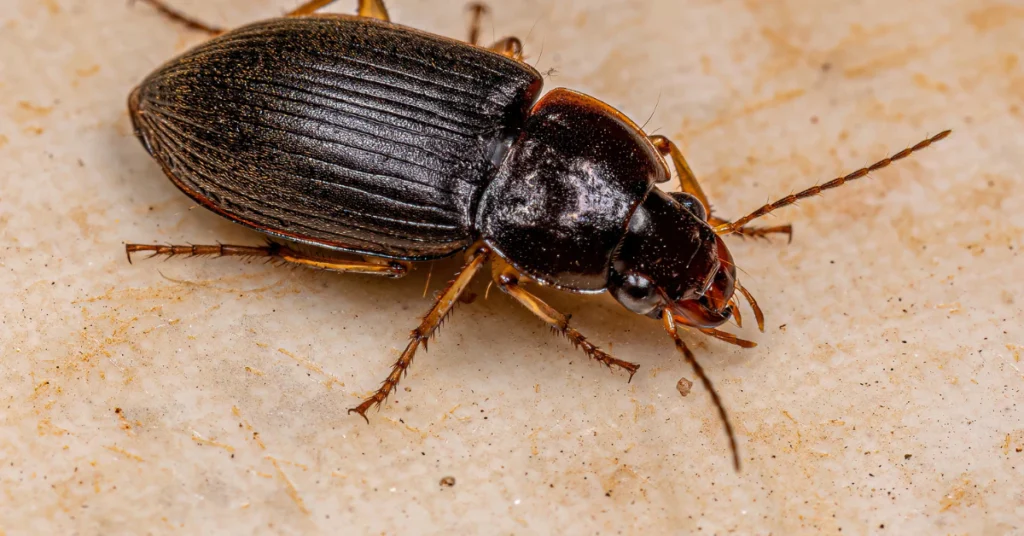
Ground beetles top the list. A trial reported by Penn State Extension and No-Till Farmer found that slugs survived at nearly 100 percent when no predators were around. Adding wolf spiders or soldier beetle larvae on their own only knocked survival down a little. But when ground beetles joined the mix, slug survival dropped sharply. Out of all the bugs tested, ground beetles made the biggest dent.
Not every ground beetle is equally hungry for slugs, though. A University of Delaware study looked at gut content in different ground beetle species using DNA testing. The results were surprising. Omnivorous ground beetles, the ones that eat seeds along with bugs, had slug DNA in 71 percent of samples. Strictly carnivorous beetles only showed slug DNA in 29 percent of samples. So the beetles with the broader diet turned out to be the better slug hunters. If you want ground beetles working for you, it pays to support the generalist types, not just the meat-eaters.
Firefly larvae deserve way more credit than they usually get. Before a firefly ever lights up your yard on a summer night, it spends one to two years living in the soil as a larva, sometimes called a glowworm. During that whole stretch, it hunts. The Missouri Department of Conservation notes that firefly larvae are active nighttime predators that attack slugs and snails directly, injecting them with a toxin that paralyzes the prey before the larva feeds.
This means every firefly you see blinking over your lawn in June spent a year or two underground eating slugs. Protecting firefly habitat, by leaving some leaf litter and skipping pesticides, is really protecting your own garden at the same time.
Together, these three invertebrates make up some of the strongest natural slug control you can find. None of them need to be bought or released. They just need a garden that doesn’t chase them away.
Vertebrate Predators: Amphibians, Reptiles, and Birds
Slugs aren’t just bug food. Plenty of bigger animals hunt them too.
Birds are some of the most reliable slug eaters in a yard. According to Oregon State University’s Slug Portal, starlings, blackbirds, killdeer, and even geese all feed on slugs. Many of these birds are especially active in the fall and winter months, picking slugs off the soil surface when other food is scarce.
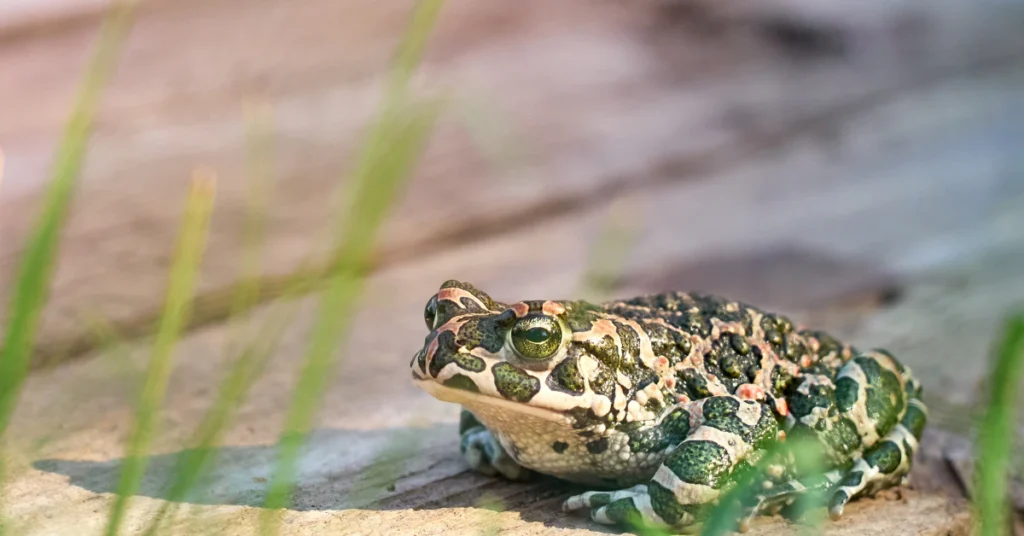
Frogs and toads are just as valuable. These amphibians hunt at ground level, right where slugs live and feed. A damp, shady corner of the yard with some cover, like a log pile or a shallow dish of water, can be enough to keep them around through the season.
Snakes help too. Garden snakes, including common garter snakes, feed on slugs as part of their natural diet. They tend to show up in gardens that already have decent cover and moisture, the same conditions slugs like.
Lizards round out the list in warmer parts of the country, picking off slugs along with other small garden pests.
None of these animals will wipe out a slug problem by themselves. A single toad or a few birds visiting your yard are part of a bigger picture, not a fix on their own. But when birds, amphibians, and reptiles are all present together, they add up to real pressure on the slug population. That’s the idea behind building a garden that supports the whole food web, instead of just going after slugs one at a time.
The next step is figuring out how to actually bring these predators into your yard in the first place.
For more detail on which species act as natural enemies of slugs, Oregon State University’s Slug Portal is a solid resource: OSU Slug Portal: Biological Agents.
The Poultry Debate: Do Chickens or Ducks Eat Slugs?
A lot of gardeners get chickens thinking they’ll clean up a slug problem. Most end up disappointed.
Long-running discussions among gardeners on forums like Permies point to a clear pattern. Chickens generally will not touch live slugs. The slime seems to be the problem. Many chicken owners report their birds walk right past slugs, even when the slugs are easy to reach. Some chickens will eat a slug once it’s been cooked, but raw and live is a different story.
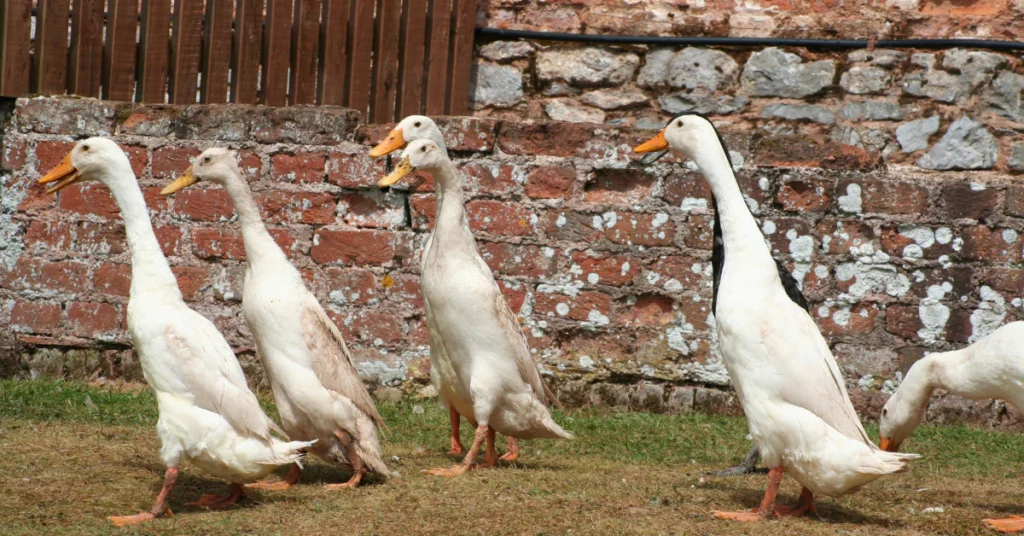
Ducks are a different animal entirely. Breeds like Indian Runners, Muscovy, and Rouen are known as active, enthusiastic slug hunters. Where chickens turn up their beaks, ducks go after slugs with real interest, and they’ll often clear them out fast.
There’s a catch, though. Ducks don’t just eat slugs. They’ll happily eat your seedlings and young vegetables too, and their webbed feet aren’t gentle on soft garden beds. Letting ducks roam freely in a vegetable patch can trade one problem for another.
The fix is timing. Many gardeners let ducks into garden areas before planting, or only allow supervised access once plants are more established and less fragile. That way, the ducks still do slug patrol without turning into a second pest.
So if you’re choosing poultry specifically to fight slugs, ducks are the better bet. Chickens bring plenty of other benefits to a homestead, but slug control usually isn’t one of them.
Day vs. Night: When Do Predators Hunt?
Slug predators don’t all work the same shift. Knowing who’s hunting when helps you understand what’s really happening in your garden around the clock.
What Eats Slugs During the Day
Slugs mostly hide during daylight hours, tucked under mulch, boards, or damp leaves to avoid drying out. But that doesn’t stop daytime hunters from finding them.
Birds like robins and starlings search the soil and garden beds during the day, flipping over debris and picking off any slugs they uncover. Ducks, if you keep them, are also daytime foragers and will hunt slugs while they’re out and about in the yard.
What Eats Slugs at Night
Slugs are nocturnal by nature, which means nighttime is when most of the action happens. This is exactly when their biggest threats show up too.
Ground beetles patrol the soil surface after dark, right when slugs come out to feed. Firefly larvae do the same, hunting through the night during their one to two year larval stage. Toads are also out after sunset, working the same ground where slugs are active.
Put together, day and night predators cover the full 24-hour cycle. While birds and ducks handle daytime patrol, ground beetles, firefly larvae, and toads pick up the night shift. That overlap is part of why a garden with a healthy mix of wildlife tends to have fewer slug problems overall.
Regional Nuances & The “Don’t Kill” Warning
Slug problems don’t look the same everywhere in the country. Where you garden changes both the scale of the problem and how you should handle it.
On the East Coast, slugs are a real economic issue, not just a backyard nuisance. University of Delaware data shows slug damage affects roughly 20 percent of no-till acres across the Mid-Atlantic region, which adds up to around 600,000 acres. That’s a big number, and it shows why farmers and large-scale gardeners in this region take slug predators seriously as a management tool.
Head out to the Pacific Northwest, and the story gets more complicated. If you’re wondering what eats slugs in Washington state, the bigger question might actually be which slugs you’re trying to get rid of in the first place.
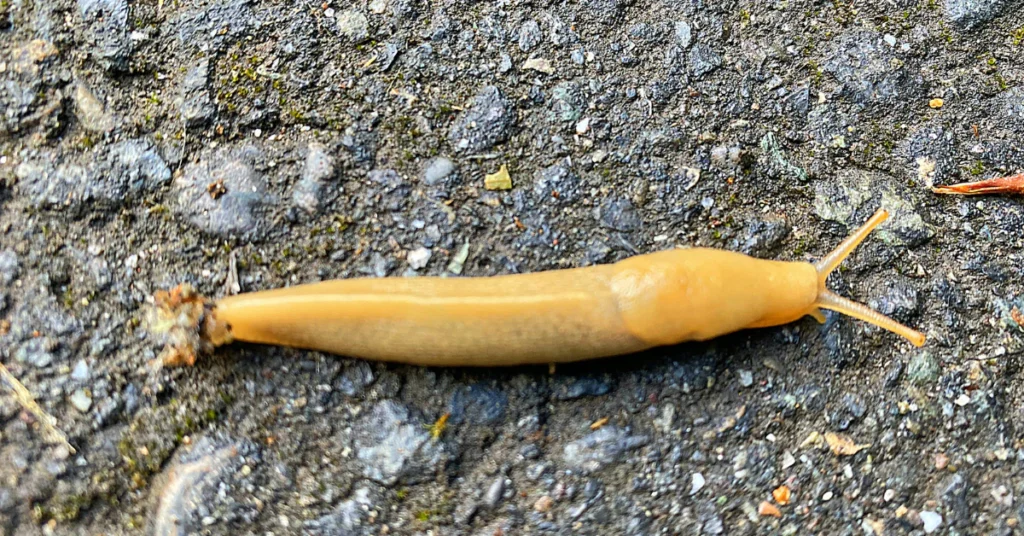
Washington and the rest of the Pacific Northwest are home to the Pacific banana slug, a large, bright yellow native species. According to Oregon State University Extension, banana slugs feed mostly on decomposing plant material and fungi. They’re considered a beneficial species, not a pest, and they rarely cause serious garden damage.
The real troublemakers in this region are invasive species, like the European black slug and the gray garden slug. These are the ones chewing through lettuce, hostas, and seedlings.
This matters because if you’re trying to attract predators or clear out slugs by hand, it pays to know which slug you’re looking at. Killing a banana slug doesn’t help your garden. It just removes a helpful decomposer from the local ecosystem for no reason. Before you treat every slug as the enemy, take a closer look at what’s actually in your yard.
Safety Warning: Why You Shouldn’t Touch Slugs
There’s a real reason to be careful around slugs, and it has nothing to do with the slime factor.
The CDC confirms that slugs and snails can carry a parasite called rat lungworm, or Angiostrongylus cantonensis. This parasite normally moves between rats and slugs or snails. Humans become infected by accidentally eating a raw or undercooked slug or snail, or by eating garden greens that weren’t washed well enough to remove slug slime or tiny slug pieces.
This isn’t just a Hawaii issue anymore. Recent CDC-linked research shows the parasite spreading into the southeastern United States, turning up in new areas where it hadn’t been documented before.
Pets are at risk too. Dogs and horses can become infected if they eat slugs or snails directly, whether by accident while grazing or out of curiosity in the yard.
None of this means you need to panic every time you spot a slug. The fixes are simple. Wash your hands after handling slugs or working in the garden. Rinse lettuce, herbs, and other greens thoroughly before eating them, especially anything grown close to the ground. Keep an eye on pets that tend to snack on things they find outside.
A little basic hygiene goes a long way here. Knowing the risk is really just about handling garden chores a bit more carefully, not avoiding the garden altogether.
How to Attract Slug Predators to Your Garden
Bringing in natural predators doesn’t take much. A few small changes make your yard more welcoming to the hunters already covered in this guide.
Start by skipping broad-spectrum insecticides. The University of Wisconsin-Madison notes that these products can kill firefly larvae and adults along with the pests you’re targeting. If you’re trying to protect what eats slugs and snails in the garden, spraying everything in sight works against you.
Leave a bit of leaf litter and woody debris around the edges of your yard. This gives ground beetles, firefly larvae, and toads a place to shelter during the day.
A shallow water source helps too, drawing in frogs, toads, and birds that hunt what eats slugs in the garden.
If you’ve read about Nemaslug online, it’s worth knowing where that stands. This nematode based biocontrol is sold commercially in the UK and Australia. Readers searching what eats slugs UK or what eats slugs in Australia may see it recommended often. In the US, though, it is not currently available as a commercial product, so it isn’t an option here yet.
Frequently Asked Questions
What are the predators of slugs?
Ground beetles, firefly larvae, toads, frogs, snakes, and birds like starlings and robins all hunt slugs. Ground beetles have shown the strongest impact in research trials.
Why shouldn’t you kill slugs?
Slugs are part of the food web, feeding birds, beetles, and firefly larvae. Some species, like the native banana slug, are beneficial decomposers rather than garden pests.
How do I permanently get rid of slugs?
There’s no permanent fix. Extension guidance points to an integrated approach instead, which means reducing moisture, using traps and barriers, and encouraging natural predators together rather than relying on one method alone.
What causes an infestation of slugs?
Excess moisture, thick plant debris, and overwatering all create ideal slug habitat. Damp, sheltered conditions are what let their numbers grow.
Why shouldn’t you touch slugs?
Slugs can carry rat lungworm, a parasite the CDC has linked to human infection through accidental ingestion. Washing your hands after handling slugs is a simple precaution.
Should I let slugs live?
If it’s a native species like the banana slug, yes, since it’s not actually damaging your garden. Invasive pest species are better handled through integrated management instead.
What happens if you pour salt on a slug?
Salt kills slugs through osmosis, pulling water out of their bodies. Utah State University Extension advises against this method, since salt also damages soil and harms nearby plants.
Conclusion
Slugs have more natural enemies than most gardeners realize. From ground beetles working the night shift to ducks patrolling during the day, a healthy yard already has tools built in to keep slug numbers in check.
The key is working with that system instead of against it. Skip the harsh chemicals, leave a little habitat for beetles and firefly larvae, and know the difference between a pest slug and a beneficial one before reaching for a solution. Combined with basic hygiene around handling slugs, this gives you a safer, more lasting way to protect your garden.