Shrimp plant care is simple once you know the basics. This plant needs well-drained soil, full sun to part shade, and regular watering to stay healthy. It grows outdoors year-round in USDA Hardiness Zones 8b to 11, according to the University of Florida’s IFAS Extension. Outside those zones, most gardeners grow it in a pot.
This guide covers everything you need to grow a healthy shrimp plant. You’ll learn how much light and water it needs, what soil works best, and how to feed it. We’ll also cover pruning, indoor care, winter protection, and what to do if your plant stops blooming. By the end, you’ll know how to keep your shrimp plant full, colorful, and thriving, whether it lives in your yard or on your
What is a Shrimp Plant? (And the Golden Shrimp Plant Confusion)
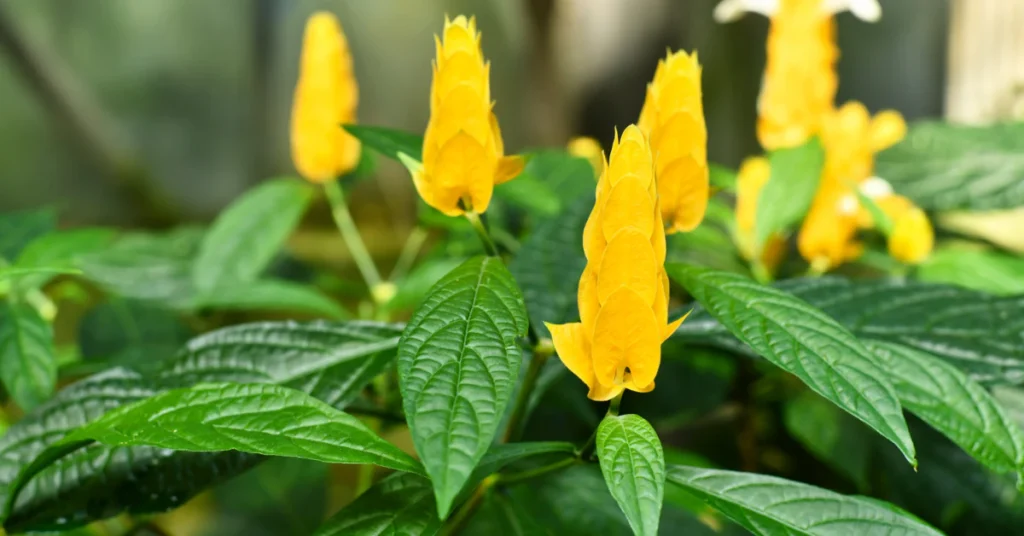
The shrimp plant’s botanical name is Justicia brandegeeana. It belongs to the Acanthaceae family. The plant gets its name from its drooping, overlapping bracts, which look a lot like a curled-up shrimp.
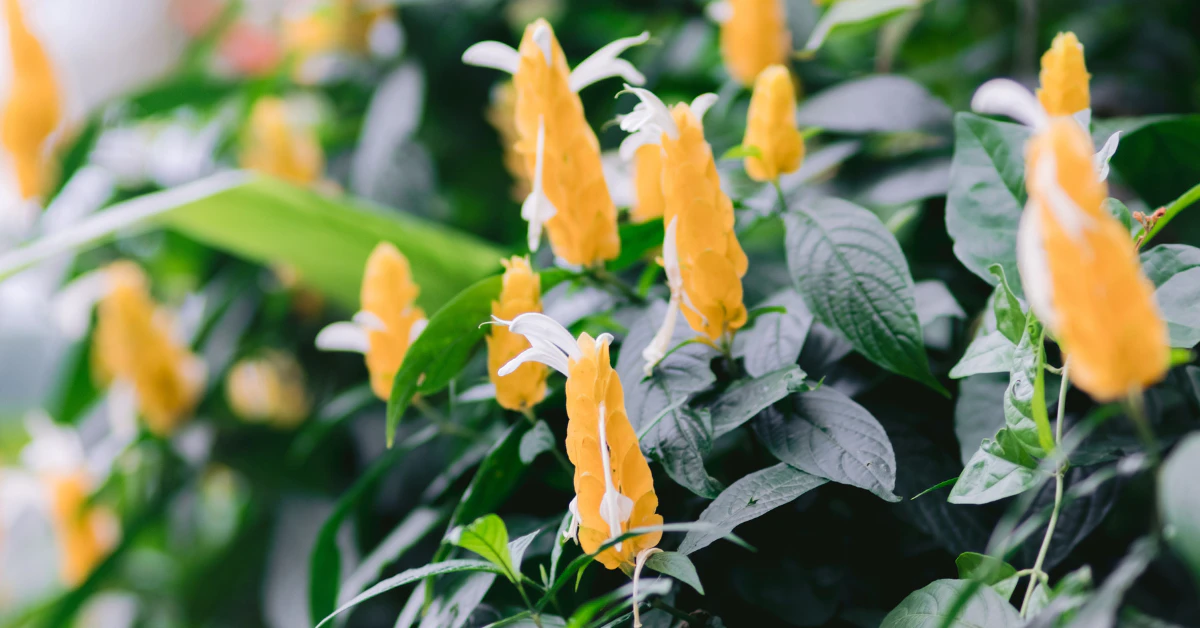
A lot of gardeners mix this plant up with the golden shrimp plant. That confusion makes sense since they share part of a common name and both have a similar bract shape. But they are not the same plant at all. The golden shrimp plant belongs to a completely different genus called Pachystachys.
Here’s a quick breakdown of how they differ:
| Feature | Shrimp Plant | Golden Shrimp Plant |
| Botanical name | Justicia brandegeeana | Pachystachys lutea |
| Family | Acanthaceae | Acanthaceae |
| Bract color | Reddish-brown, pink, or yellow bracts with white flowers | Bright golden-yellow bracts with white flowers |
| Hardiness | USDA Zones 8b to 11 | Typically grown as a warm-season annual or houseplant outside the tropics |
| Growth habit | Can get leggy without regular pruning | Grows more upright and compact |
Knowing which plant you actually have matters. Their care needs overlap in some ways, like sunlight and watering, but their cold tolerance and growth habits are different enough that mixing up the two can lead to the wrong winter care plan. If your plant has bright golden bracts instead of red, pink, or cream ones, you’re likely looking at a Pachystachys lutea, not a true shrimp plant.
Shrimp Plant Growing Conditions & Zones
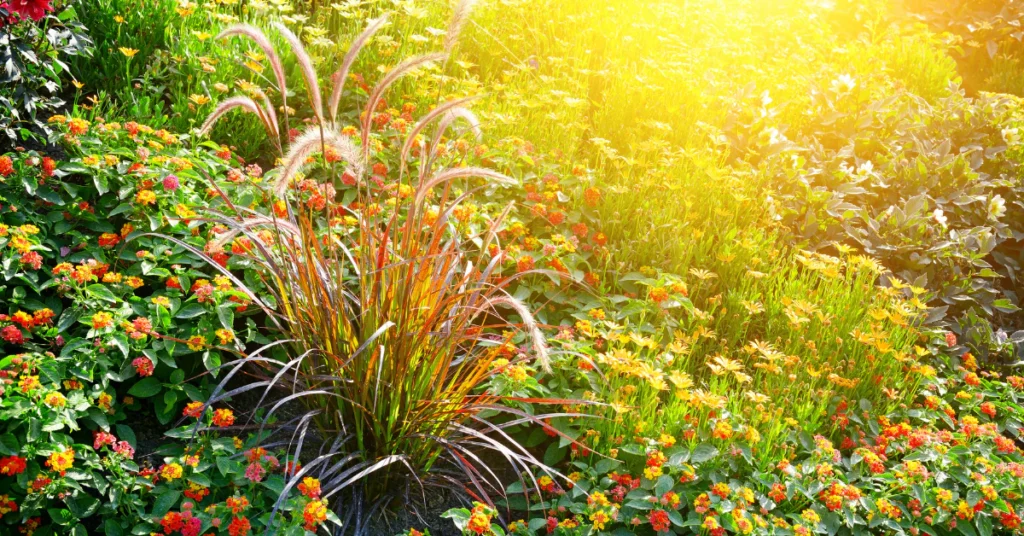
Shrimp plants grow best in full sun to part shade. More sun generally means more blooms, so if you have a choice, pick a spot that gets plenty of light during the day. The soil should drain well. Soggy, waterlogged soil is one of the fastest ways to stress this plant.
Where you live matters a lot for how this plant behaves outdoors. The shrimp plant’s growing zone range runs from USDA Hardiness Zones 8b to 11, based on UF/IFAS Extension data. But “it grows in zone 8” doesn’t mean the same thing as “it grows in zone 11.” The growing season and plant behavior shift a lot across that range.
In Zones 9 through 11, the shrimp plant stays evergreen. It can bloom almost all year long in these warmer areas, with only short rest periods between flowering cycles.
Zone 8 is different. Here, the plant is root-hardy. That means the top growth, the stems and leaves you see above ground, will likely die back when a hard freeze hits. But the roots survive underground and send up new growth once the weather warms again in spring.
This is important for Zone 8 gardeners to know. If your shrimp plant looks completely dead after a cold snap, don’t panic and don’t pull it out. It’s very likely just dormant, not dead. Give it time into spring before deciding.
One more helpful data point: in northeast Florida, the University of North Florida Botanical Garden has observed shrimp plants staying evergreen into the mid-20s°F. That gives you a rough sense of how much cold the plant can handle before it starts to die back, though exact results will depend on your specific site, mulch, and how sheltered the spot is.
If you garden in a zone colder than 8b, the plant won’t reliably survive outdoors through winter. Growing it in a container, which we’ll cover later, is the standard workaround.
Shrimp Plant Care Instructions: Water, Fertilizer, and Pruning
Once your shrimp plant is settled into the ground, it doesn’t ask for much. Keep the soil moist but not soggy while it’s young and establishing roots. After it’s established, it handles short dry spells fairly well. Water deeply when the top inch of soil feels dry, rather than sticking to a strict schedule.
Fertilizer isn’t complicated either. A regular feeding schedule during the growing season helps support the long bloom cycle this plant is known for. Light, consistent feeding usually works better than one heavy dose.
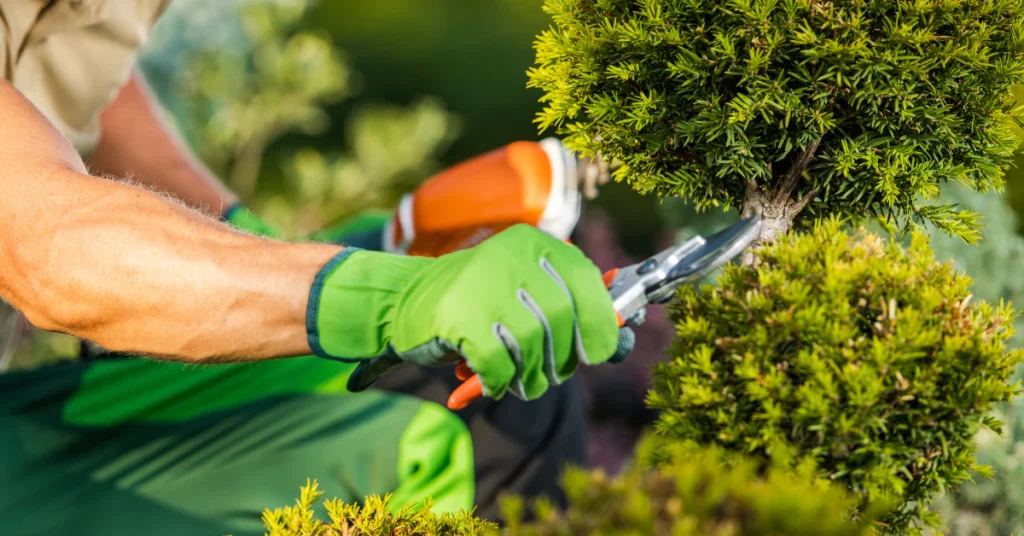
Pruning is where a lot of shrimp plants either thrive or end up looking patchy and bare at the bottom. Left alone, this plant grows fast and can turn leggy, with bare lower stems and all the growth bunched up at the top. Regular pruning fixes this.
The City of Austin’s Watershed Protection plant guide recommends cutting the shrimp plant back to about 6 inches tall during late winter, while the plant is dormant. This hard cutback sounds drastic, but it works. It forces the plant to send out fresh growth from lower on the stems instead of just the tips, which gives you a fuller, bushier shape once the growing season starts again.
Here’s a simple pruning routine to follow:
- Wait until late winter, when the plant is dormant or has slowed down noticeably
- Cut stems back to roughly 6 inches from the ground
- Remove any dead, damaged, or crossing stems first
- Use clean, sharp pruners to avoid tearing the stems
If you garden outdoors in a warmer zone where the plant stays evergreen year-round, you can still follow this same timing. Late winter is still the best window, even if the plant never fully goes dormant the way it would in Zone 8.
Skipping pruning for a year or two isn’t the end of the world, but don’t expect a lush, full plant if you do. A shrimp plant that’s never cut back will keep growing taller and leggier, with most of its leaves and blooms far from the base. One good hard cutback a year is usually all it takes to keep the shape tidy.
Regional Care: Florida, Texas, and Colder Climates
Where you garden changes how you should think about this plant. Here’s what matters most in a few key regions.
Florida
Some gardeners worry about planting non-native species because they might spread into wild areas. For the shrimp plant, Florida has already done the homework. The University of Florida’s IFAS Assessment of Non-Native Plants rated it “not a problem species” across North, Central, and South Florida. That rating came from an official state-run plant risk assessment, not a guess. So if you’re in Florida, you can plant a shrimp plant without worrying about it escaping into natural areas.
Texas
Texas gardeners should keep one regional note in mind. The City of Austin’s Watershed Protection plant guide advises against planting shrimp plants near natural preserves. This isn’t a statewide invasive warning, but it’s a sensible local precaution if your property borders a greenbelt, creek, or protected natural area. When in doubt, check with your local extension office before planting near wild land.
Colder and Wetter Climates (Including the UK)
Shrimp plants are tropical at heart. In zones colder than 8b, and in cooler, wetter climates like much of the UK, they won’t survive outdoors through winter. Your two options are simple. Grow the plant as an annual and replace it each year, or grow it in a pot that you bring indoors before the first frost. Container growing is by far the more common choice, since it lets you enjoy the plant year after year instead of starting over every spring.
Potted & Indoor Shrimp Plant Care
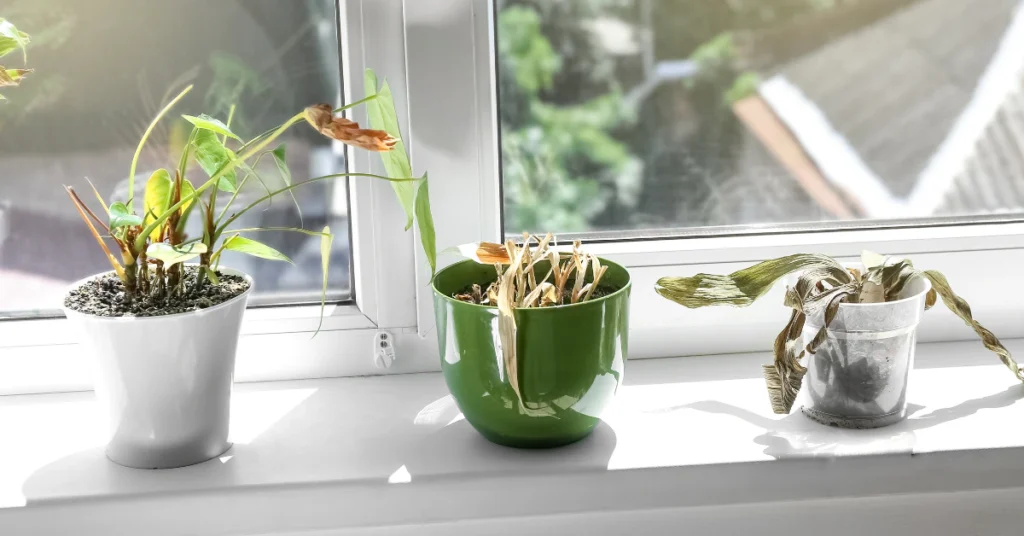
Growing a shrimp plant in a pot works well, and it’s the go-to option if you live outside Zones 8b to 11. Containers also give you more control over soil, light, and winter protection.
Start with a pot that has good drainage holes. Shrimp plants don’t like sitting in wet soil, so a pot without proper drainage is a common mistake that leads to root problems. Use a well-draining potting mix rather than heavy garden soil, which tends to hold too much water in a container.
Pot size matters more than people expect. A pot that’s too small will leave the plant root-bound fairly quickly, since this plant grows fast. Root-bound plants often show stunted growth and fewer blooms. Give your shrimp plant room to grow, and plan to size up the pot every couple of years as it matures.
When fall arrives and nighttime temperatures start dropping toward the 50s°F, it’s time to think about bringing a potted shrimp plant indoors, especially if you’re outside the plant’s hardy zones. Here’s a simple way to handle the move:
- Inspect the plant closely for pests before bringing it inside
- Place it in your brightest indoor spot, ideally a south or west-facing window
- Water less often than you did outdoors, since indoor growth slows down in lower light and cooler temperatures
- Avoid spots near heating vents or drafty windows, which stress the plant with temperature swings
Indoors, the plant may slow its blooming or rest for a while. That’s normal. It isn’t dying, it’s just adjusting to lower light and a different environment.
Come spring, once nighttime temperatures are reliably above freezing, you can move the plant back outside. Do this gradually over a week or two, giving it a few hours of outdoor time each day at first. Moving it outside all at once, especially into direct sun, can shock the plant after a winter indoors.
Is the Shrimp Plant Safe for Pets? (Toxicity Guide)
If you have a dog or cat, you probably want a straight answer here. The honest one is a little more nuanced than yes or no.
The shrimp plant is not currently listed on the ASPCA’s Toxic and Non-Toxic Plant list. This comes from the Lady Bird Johnson Wildflower Center, which checked the ASPCA’s database directly.
Here’s the important part. Being unlisted is not the same as being confirmed safe. It simply means the ASPCA hasn’t published toxicity data on this specific plant one way or the other. So it’s not fair to call it “pet safe” based on that absence, even though nothing currently flags it as dangerous either.
The practical advice is the same one experts give for any unlisted plant. Keep an eye on pets around it, and don’t assume it’s fine to chew on. If your dog or cat eats part of a shrimp plant and starts showing symptoms like vomiting, drooling, or unusual lethargy, treat it like any other plant ingestion. Contact your vet or call ASPCA Animal Poison Control for guidance right away.
Troubleshooting: Why Did My Shrimp Plant Stop Blooming?
A shrimp plant that bloomed well last year and then went quiet this year isn’t necessarily a sign that something went wrong. This plant naturally cycles between heavy flowering and lighter rest periods. A season with fewer blooms is often just the plant resting, not failing.
That said, if your plant has stayed stubbornly bloom-free for a long stretch, a few real factors could be holding it back:
- Too much shade. This plant blooms best with plenty of sun. A spot that’s too shady can mean lots of green leaves but very few flowers.
- Overwatering. Soil that stays wet and soggy stresses the roots, which can reduce blooming even if the plant otherwise looks okay.
- Pruning at the wrong time. Since this plant blooms on new growth, cutting it back during active growth or right before bloom season can remove the very stems that would have flowered. Stick to pruning during dormancy, as covered earlier in this guide.
Before assuming the worst, give the plant a full growing season to show its normal pattern. If you’ve checked light, watering, and pruning timing and it’s still not blooming after that, it may be worth adjusting one factor at a time, like moving it to a sunnier spot or easing back on watering, rather than changing everything at once.
Frequently Asked Questions
Will a shrimp plant come back every year?
Yes, in Zones 9 to 11, where it stays evergreen. In Zone 8, it’s root-hardy, meaning it dies back in winter but regrows from the roots each spring. Outside Zones 8b to 11, it needs to be grown in a container and brought indoors, or treated as an annual.
Do shrimp plants prefer sun or shade?
They do best in full sun to part shade. More sunlight generally means more blooms. In very hot inland climates, a little afternoon shade can help reduce stress on the plant.
When should I cut back my shrimp plant?
Prune during dormancy, which is late winter for most gardeners. Cutting back to around 6 inches at this time, as recommended by the City of Austin’s Watershed Protection guide, encourages bushier, fuller regrowth.
How do you get a shrimp plant to bloom?
Give it plenty of sun, avoid overwatering, and prune only during dormancy rather than active growth. Also remember that light bloom seasons are normal. A quiet year doesn’t always mean something is wrong.
Do shrimp plants do well in pots?
Yes. Containers work well for this plant and are the standard way to grow it outside its hardy zones, since pots can be moved indoors before frost hits.
Does baking soda really help flowers bloom?
No. This is a myth. University of California Agriculture and Natural Resources has specifically debunked the claim that baking soda enhances flowering. Research cited by the University of Nevada Cooperative Extension also found it doesn’t reliably help plants in garden conditions.
Can I spray baking soda and water on my plants?
It’s sometimes used as a mild home fungicide for issues like powdery mildew, usually mixed with a bit of dish soap. It is not a bloom booster, and extension sources warn that too much can harm plants since baking soda is a salt.
Why does Sprite help flowers?
This applies to cut flowers in a vase, not plants growing in soil. The sugar feeds the cut stems, and the acidity helps water move upward. It has no effect on a potted or in-ground shrimp plant’s blooming.
What happens when you mix Dawn dish soap and baking soda?
This combination is a homemade treatment for fungal problems like powdery mildew, not a flowering aid. According to research cited by Colorado State University Extension, the dish soap works by disrupting the outer membrane of soft-bodied pests, which is a separate benefit from its fungicidal use.
Final Thoughts
Shrimp plant care comes down to a few simple habits. Give it enough sun, don’t let the soil stay soggy, and prune it back once a year during dormancy. Get those three things right, and the plant pretty much takes care of itself.
Where you live matters more than most guides let on. Zone 8 gardeners shouldn’t panic when their plant looks dead after a freeze, since it’s likely just resting below the soil. Gardeners further north will get the best results growing it in a pot and bringing it indoors for winter. And if it skips a bloom cycle one season, that’s usually just the plant resting, not a sign of bad care.
With the right spot and a little patience, a shrimp plant rewards you with color for most of the year, whether it’s planted in the ground in Florida or sitting in a container on a windowsill.