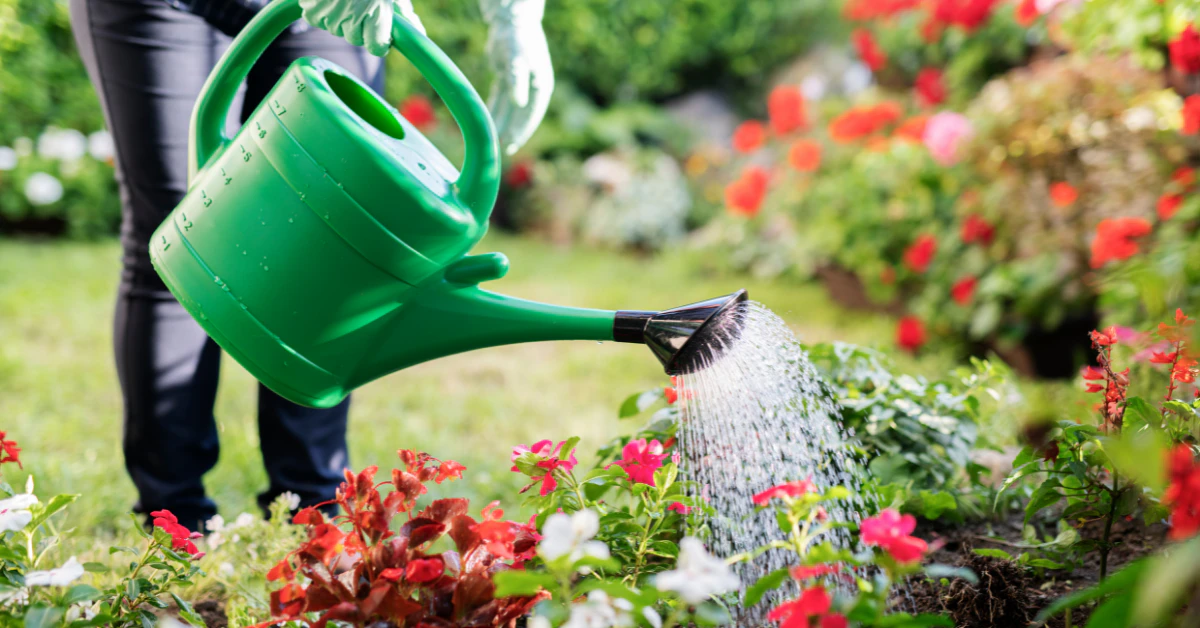
You water your plants because you love them. Then a few days later, the leaves turn yellow or the roots start to rot, and you can’t figure out why. Good intentions, bad timing. It happens to almost every gardener at some point.
The worst time to water plants is during the hot midday sun and late at night. Midday watering wastes water to evaporation, and night watering leaves leaves wet for hours, which invites fungus and rot. Early morning is best.
Here’s the part that surprises people. A lot of the old watering advice passed down from grandparents or garden blogs isn’t fully accurate anymore. Some of it is outdated. Some of it was never true to begin with. Science has actually cleared up a few common myths, and once you know the real reasons behind good watering timing, you’ll stop guessing and start growing healthier plants.
The 3 Absolute Worst Times to Water Your Garden
Not all watering mistakes are created equal. Some times of day are so bad for your plants that they undo all your hard work. Here are the three worst offenders.
High Noon (The Waste Zone)
Watering your garden at noon feels productive, but it’s mostly wasted effort. The sun is at its strongest, temperatures are climbing, and your soil is hot. When you pour water on hot ground in the middle of the day, a lot of it evaporates before it ever reaches the roots.
This is also the worst time to water grass. Lawns lose moisture fast in full sun, so you end up running the sprinkler longer just to get the same result you’d get in half the time during cooler hours.
And no, midday watering does not “burn” your leaves like a magnifying glass, despite what you may have heard. That’s a myth. The real problem is simple: you’re wasting water and money, and your plants still end up thirsty by evening.
Late Night Watering (The Fungus Invitation)
This one feels like it should be fine. The sun’s down, it’s cooler, so why not water then? Because wet leaves that stay wet all night are basically an open invitation for problems.
When foliage stays damp for hours with no sun or breeze to dry it out, fungal diseases move in fast. Powdery mildew, black spot, and root rot all thrive in these damp, dark conditions. Slugs and snails show up too, drawn to the moisture, and they’ll happily chew through your leaves while everyone’s asleep.
If you’ve ever wondered why your evening-watered plants seem to get more disease spots than your neighbor’s, this is usually why.
Right After Heavy Rain or on Already Wilted Plants
Watering when the soil is already soaked doesn’t help your plants, it drowns them. Roots need air pockets in the soil to breathe. Add more water on top of a downpour and you risk suffocating those roots, which can lead to root rot.
On the flip side, dumping a huge amount of water on a plant that’s badly wilted from heat stress can shock its system. The sudden temperature and moisture change can stress the roots even further instead of reviving the plant gently.
What To Do If You Have No Other Choice
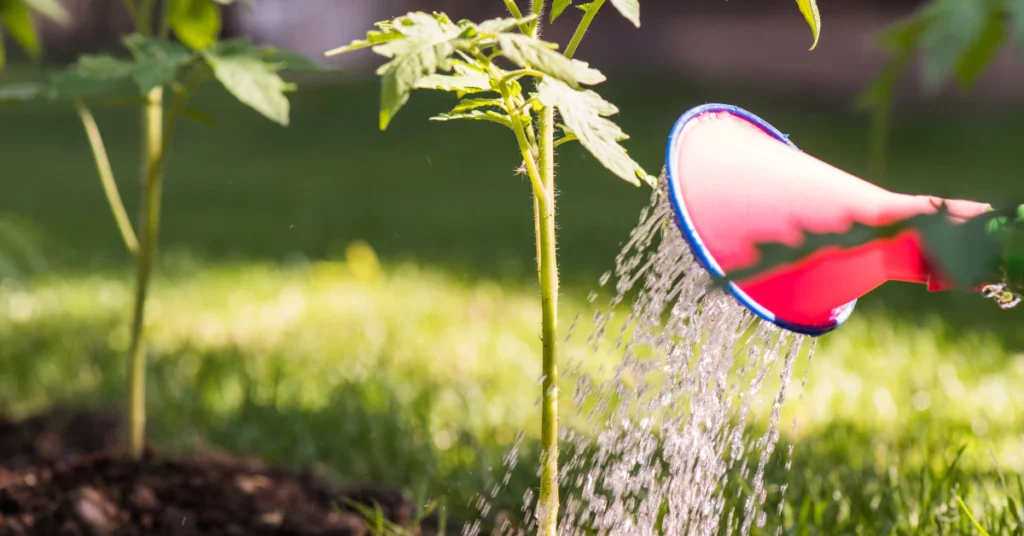
Sometimes life gets in the way and you can only water at a bad time. If that happens, here’s how to limit the damage:
- If you must water at noon: Water deeply and slowly so less is lost to evaporation, and focus on the soil, not the leaves.
- If you must water at night: Aim the hose or watering can at the base of the plant only, keeping the leaves dry.
- If the soil is already soaked: Skip watering entirely and check back in a day or two.
- If a plant is badly wilted: Give a small amount of water first, then a full watering session an hour later instead of one big soak.
The best time to water plants in the evening, if morning isn’t an option, is right after sunset, not late at night. That gives leaves a few hours to dry out before full darkness sets in, cutting down the risk of fungal problems significantly.
Summer Heat vs. Winter Chills: Timing Changes With the Season
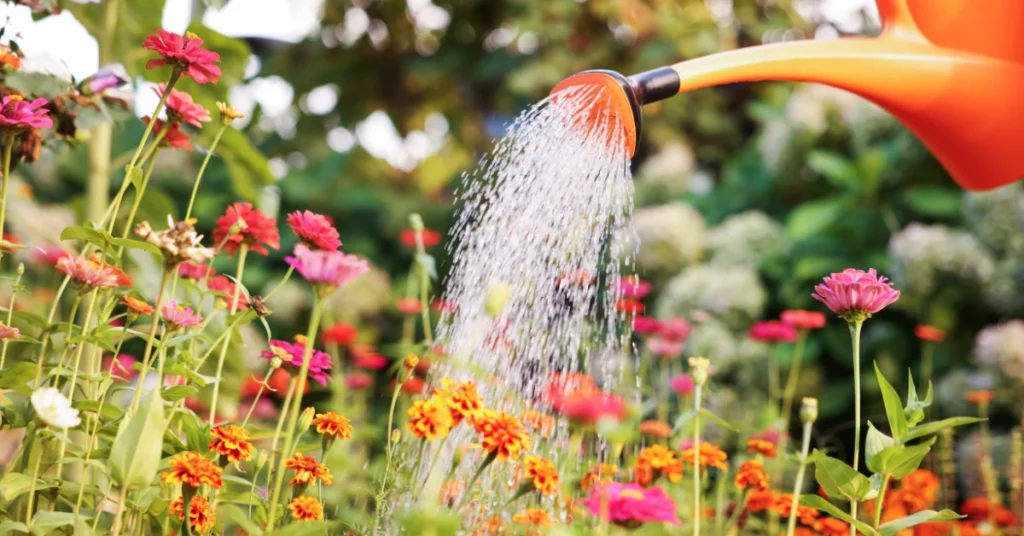
Watering isn’t a one-size-fits-all task. What works in July can actually hurt your plants in January. The season changes everything about timing.
Hot Summer Days
So what is the best time to water plants in hot weather? Early morning, somewhere between 5 AM and 7 AM, before the sun climbs high and temperatures spike. At that hour, the air is cooler, the soil hasn’t heated up yet, and water has time to soak deep into the roots before evaporation kicks in.
This timing also gives leaves a full day to dry off in the sun and breeze, so you get the moisture benefit without the fungal risk that comes with evening watering.
The worst time to water plants in summer is right in the middle of the afternoon, especially between noon and 3 PM. The heat is at its peak, the soil is baking, and most of the water you apply turns to vapor before roots ever get a sip. You end up watering twice as often for half the benefit.
Winter Watering
Winter flips the script. Plants need less water overall since they’re growing slower or resting, but timing still matters a lot.
The worst time to water plants in winter is late afternoon or early evening. Once the sun starts going down, temperatures drop fast, and any water still sitting in the soil or on the surface can freeze overnight. Frozen soil damages roots and can crack containers, especially for anything planted outdoors or in pots.
Instead, water in the late morning on winter days, once any overnight frost has melted and the temperature has climbed a bit. This gives the water enough daylight hours to soak in before the cold returns at night.
Summer Watering vs. Winter Watering
| Season | Best Time | Worst Time | Why |
| Summer | 5 AM – 7 AM | 12 PM – 3 PM | Morning lets roots absorb water before heat causes evaporation |
| Winter | Late Morning | Late Afternoon/Evening | Water can freeze overnight, damaging roots and containers |
The core idea stays the same in every season: give the water time to reach the roots before extreme temperatures work against you. Summer heat steals water through evaporation. Winter cold locks it up as ice. Morning hours give you the best odds against both.
Do Pots, Grass, and Indoor Plants Have Different Rules?
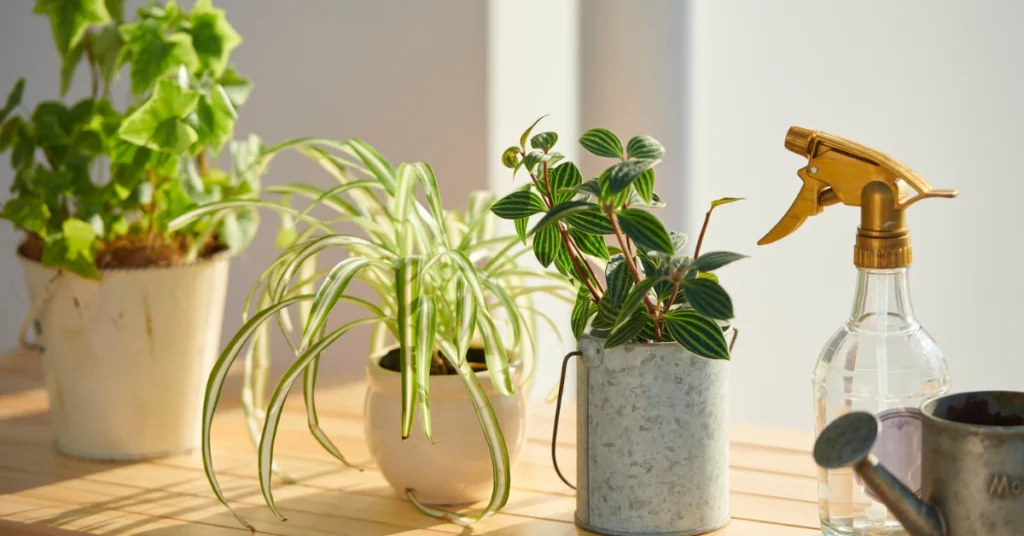
Not every plant lives by the same rules. Where your plant grows changes how strict you need to be about timing.
Potted Plants Feel Everything Faster
The worst time to water plants in pots is midday, even more so than plants in the ground. Containers, especially dark plastic or metal ones, heat up fast in direct sun. The soil inside can get surprisingly hot within an hour or two of noon sun.
When you pour cool water onto that hot soil, it creates a sudden temperature swing around the roots. This kind of shock stresses the plant and can slow down growth. Pots also dry out faster than garden beds since there’s less soil to hold moisture, so timing matters even more here.
Stick to early morning watering for potted plants whenever you can. It gives the soil time to warm up gradually with the day instead of getting hit with a hot-then-cold shock.
Grass Follows the Same Morning Rule
Lawns work best on the same early morning schedule as garden beds. Grass roots need time to soak up water before the sun gets strong, and blades that dry out during the day are much less likely to develop fungus or disease patches.
Indoor Plants Play by Slightly Different Rules
Indoor plants live in a more stable world. No blazing sun, no freezing wind, just steady room temperature most of the year. That takes some pressure off timing.
But one rule still applies indoors: avoid watering late at night. Indoor pots don’t get sun or breeze to help soil dry out, so watering right before bed can leave roots sitting in damp, soggy soil for hours. Over time, that soggy environment invites root rot and fungus gnats, those tiny bugs that love wet potting soil.
A simple morning watering routine works well for most houseplants, giving excess moisture time to drain and the topsoil a chance to dry slightly before evening.
The Myth of Sunburned Leaves
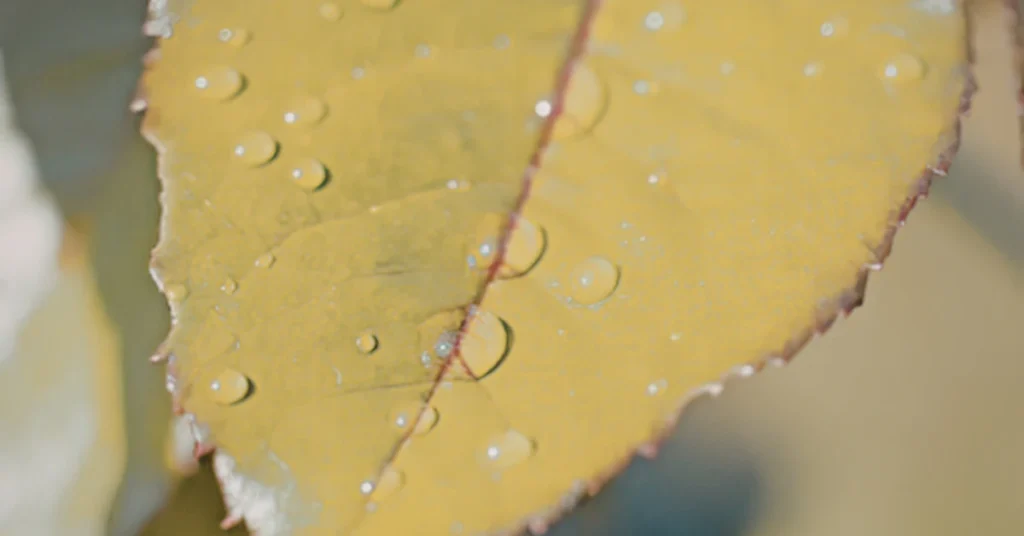
You’ve probably heard this warning before: never water plants in the sun, or the droplets will burn the leaves like tiny magnifying glasses. It sounds believable. It’s also mostly a myth.
Biophysicist Dr. Gabor Horvath actually tested this idea with real experiments on smooth leaves, like maple, and found that water droplets don’t focus sunlight strongly enough to scorch them. The droplet shape and the leaf surface just don’t create that magnifying effect in most real-world conditions. Leaf burn from sun droplets is rare and usually needs very specific circumstances to happen at all.
So why do gardeners still see damage after midday watering? The real answer is much simpler than sunburned leaves. It comes down to rapid evaporation and heat stress, not scorched foliage. According to Penn State Extension, the actual issue with midday watering is that water disappears too fast to do much good, not that it burns anything.
That means you don’t need to panic if a few noon droplets land on your leaves by accident. Your plant isn’t going to catch fire. The real cost of midday watering is wasted water and thirstier plants by evening, not scorched leaves.
Knowing the real science here takes some pressure off. You can stop worrying about droplet burns and focus on what actually matters: getting water to the roots at a time when it can actually soak in and do some good.
Frequently Asked Questions
When should plants not be watered?
Avoid watering during peak midday heat, late at night, or right after heavy rain has already soaked the soil. Midday watering wastes water to evaporation before it reaches the roots. Nighttime watering leaves foliage wet for hours, inviting fungal disease. And watering already-soaked soil can drown roots that need air to breathe.
Is 8pm too late to water plants?
Yes, 8pm is generally too late, especially in the warmer months when leaves won’t dry before nightfall. Once the sun sets, there’s no breeze or warmth to dry off wet foliage. That dampness sitting overnight is exactly what fungal diseases like powdery mildew need to take hold.
What are the three rules of watering?
Water deeply, water early, and water the roots, not the leaves. Deep watering encourages strong root growth instead of shallow, weak roots. Watering early in the day gives plants time to absorb moisture before heat or evaporation take over, and aiming at the soil instead of the foliage helps prevent fungal problems.
What is the best time to water plants on a hot day?
Early morning, ideally between 5 AM and 7 AM, is best on hot days. The cooler temperatures give water time to soak in before the sun gets strong enough to evaporate it. This timing also helps plants stay hydrated through the hottest part of the afternoon.
Is 90 degrees too hot to water plants?
No, but timing matters more than usual at 90 degrees. Watering during the cooler morning hours prevents the soil shock and rapid evaporation that happen when water hits hot soil at peak afternoon heat. Skip midday watering entirely once temperatures climb this high.
Is watering for 20 minutes enough?
It depends on your soil type, plant size, and water pressure, so there’s no single answer for how long to water plants with hose. A good check is to dig a couple inches into the soil after watering; if it’s damp at that depth, you’ve watered enough. Sandy soil drains fast and may need longer, while clay soil holds water and may need less time.
Good watering habits come down to paying attention, not perfection. Check your soil before you reach for the hose, and let the plant tell you what it actually needs.