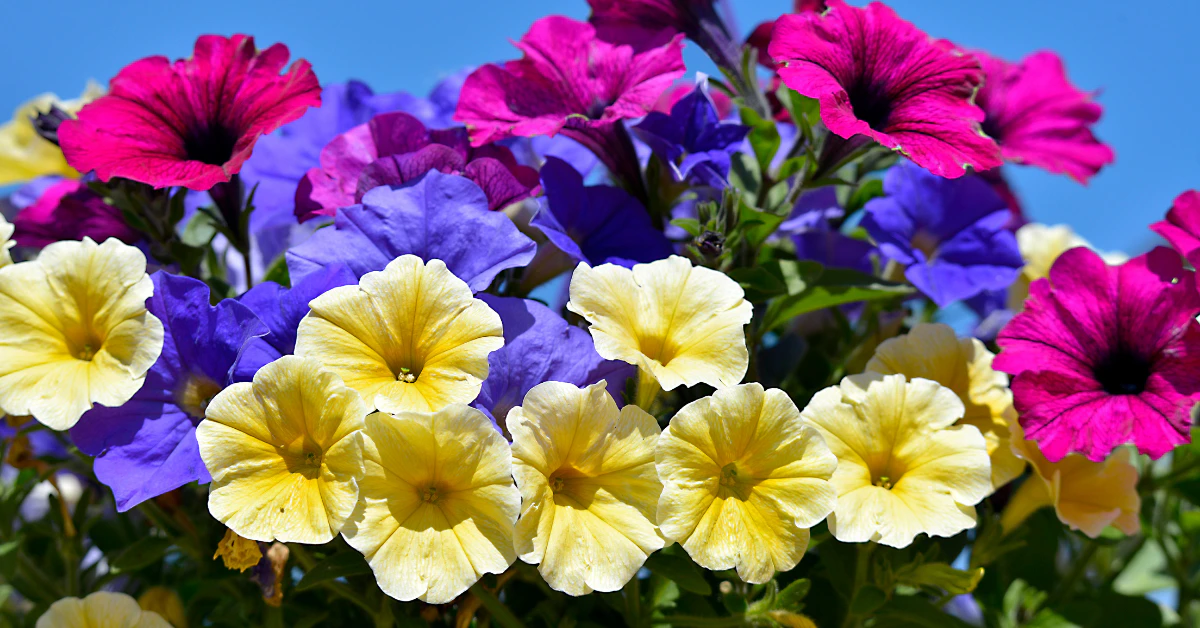
To prune petunias properly, use sharp, clean shears to snip stems just above a leaf node (the small bump where a leaf meets the stem). Cut back about a third to half of each stem. This tells the plant to stop wasting energy on old growth and push out fresh blooms instead.
If your petunias looked amazing in June and now seem tired and bare by July, you are not alone. It happens to almost every petunia at some point in the season. The good news is a proper trim can bring them back to life in just a few days.
One more thing before you grab your shears. Petunias are fully non-toxic to dogs, cats, and horses, according to the ASPCA. Just don’t mix them up with toxic nightshade relatives like ornamental tobacco, which can look similar in a mixed pot.
Deadheading vs. Pruning: Know Your Variety
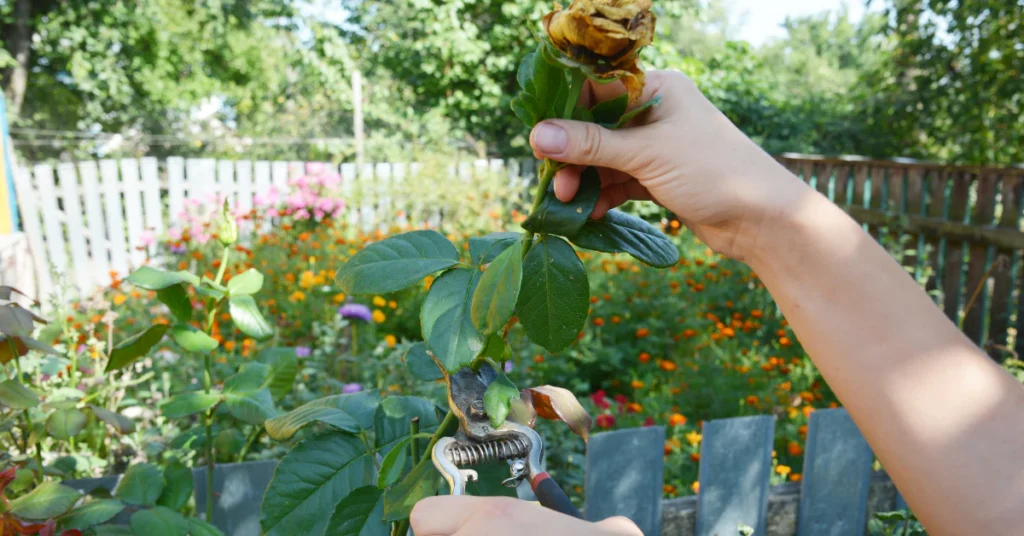
Gardeners often use “deadheading” and “pruning” as if they mean the same thing. They don’t, and mixing them up can leave you doing the wrong chore at the wrong time.
Deadheading means removing just the spent flower, including the small green stub at its base where seeds form. Pruning means something bigger: cutting back whole leafy stems to shape the plant or fix legginess.
Here’s the part most guides skip. Which of these chores your petunia actually needs depends on its variety.
Proven Winners Supertunias are bred to be sterile. That means they’re self-cleaning: spent blooms drop off on their own, and you never have to deadhead them. They still enjoy an occasional prune to keep their shape neat and encourage bushier growth, but deadheading is off your to-do list entirely.
Wave petunias and classic grandiflora types work differently. These are grown from seed, so if you leave a dead flower in place, the plant will “go to seed.” It puts its energy into making more seeds instead of more flowers, and blooming slows down fast. For these varieties, regular deadheading really does matter.
So before you decide how much work your petunias need, check the plant tag. It tells you more about your maintenance routine than any one-size-fits-all rule ever could.
The Pre-Emptive Pinch: Shaping Young Plants
If you just brought home a fresh six-pack of petunias, you can get a bushier plant before it ever has the chance to get leggy. This early step is called pinching, and it’s the easiest way to make petunias bushy from day one.
Here’s how it works. Once your grandiflora or multiflora petunias reach about 6 inches tall, pinch off the top of each stem with your fingers or a small pair of scissors. This stops the plant from growing one long main stem and pushes it to send out side shoots instead. More side shoots means more branches, and more branches means more flowers later on.
According to University of Minnesota Extension, this early pinch works well for grandiflora and multiflora types specifically.
One important exception: skip this step for milliflora petunias and spreading or Wave types. These varieties naturally branch out on their own, and pinching them at planting time won’t help and may just slow them down.
How to Prune Petunias When They Get Leggy
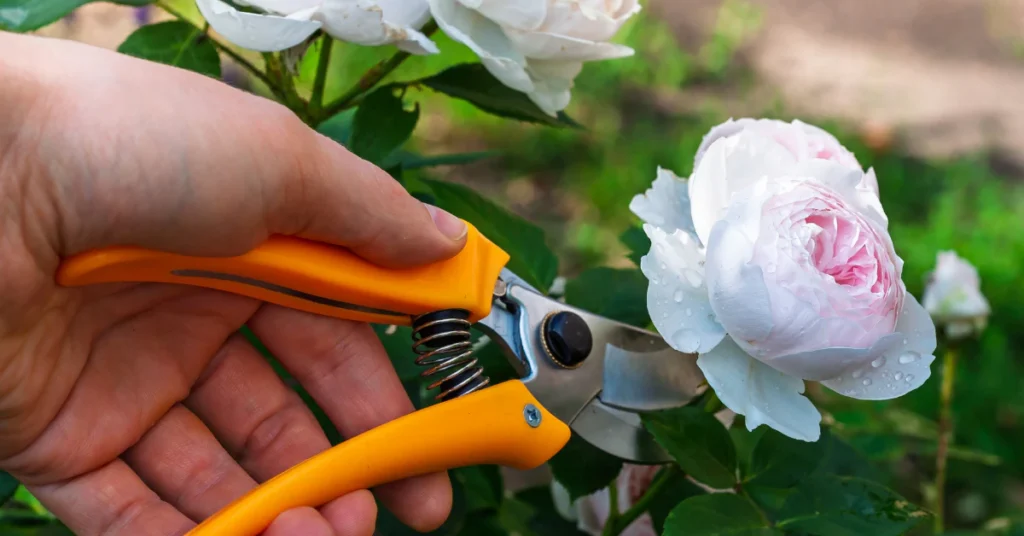
If your petunias have turned into bare, woody stems with a few sad flowers clinging to the tips, you might be tempted to just rip them out. Don’t. This is one of the most common petunia problems, and it has an easy fix.
The biggest worry gardeners have is that cutting a leggy petunia back hard will kill it. It won’t. Master Gardeners at university Ask Extension services hear this exact question all the time, and the answer is always the same: go ahead and cut it back. Trimming stems back by about a third to half is completely safe, even when the plant looks rough. Pair the trim with a dose of water-soluble fertilizer, and you’ll usually see fresh green growth within a few days to about two weeks.
This is also the fix if you’re wondering how to prune petunias for more blooms. Cutting back old, leggy stems redirects the plant’s energy into new growth and new flowers instead of maintaining bare wood that isn’t doing much for you.
Mid-July is a common time for this kind of haircut, since petunias planted in spring often hit a rough patch by midsummer. But the same advice applies any time your plants start looking sparse.
How much you cut back depends on your situation. Here’s a simple breakdown:
| Situation | How Much to Cut | Best For |
| Light Maintenance | Snip a few long or straggly stems as you spot them | Keeping a healthy plant tidy through the season |
| Mid-Season Haircut | Cut back about a third to half of all stems | Reviving a leggy, bloom-sparse plant in summer |
| Overwintering Rejuvenation | Cut back harder, closer to the base | Zone 10-11 gardeners keeping petunias as perennials into a new season |
Whatever situation fits your plant, remember the basic rule: cut just above a leaf node, water well, and feed. Your petunia will do the rest.
Container Care: Pruning Potted Petunias and Hanging Baskets
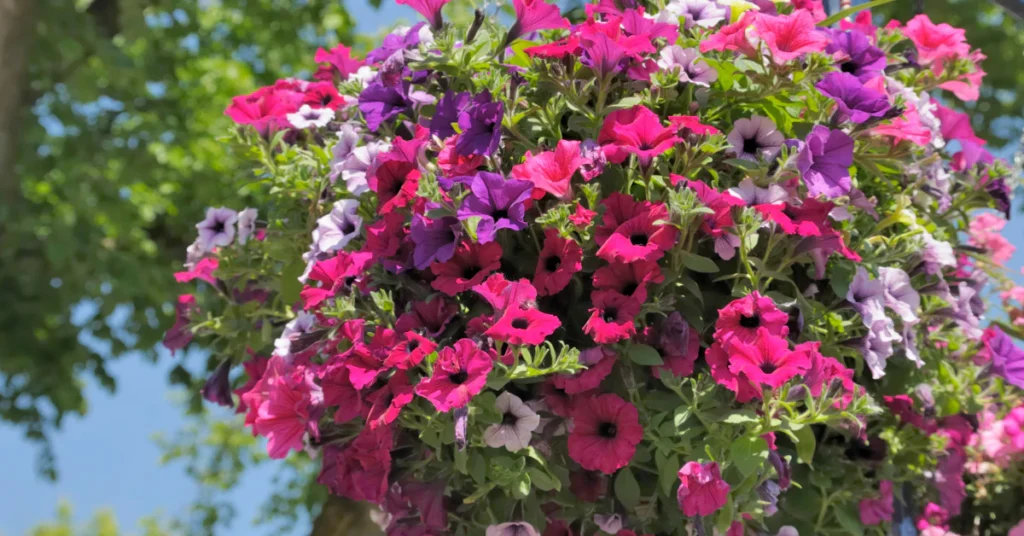
Potted petunias and hanging baskets tend to go leggy faster than petunias planted in the ground. It’s not always about pruning timing. Containers dry out faster, and confined roots create extra stress, so uneven watering is often the real root cause of those long, bare stems.
For hanging baskets, trailing varieties need a slightly different touch than a straight cutback. Instead of trimming every stem to the same length, cut them at staggered lengths around the basket. This avoids the dreaded “bowl cut” look and keeps the plant’s natural, flowing shape as it fills back in.
The real key to pruning petunias in pots and baskets is what you do right after the cut. A heavy trim asks a lot of the plant, and a container has a limited reserve of soil and nutrients to draw from. Right after pruning, keep the soil consistently moist, but not soggy. Hanging baskets especially may need daily watering in hot weather since they dry out fast.
Follow up with a dose of water-soluble fertilizer within a day or two of trimming. This gives the plant the fuel it needs to push out the fresh growth you just made room for. Skip this step, and even a perfect cut can leave your petunia sitting stalled for weeks instead of bouncing back in days.
Step-by-Step Guide and Tool Tips
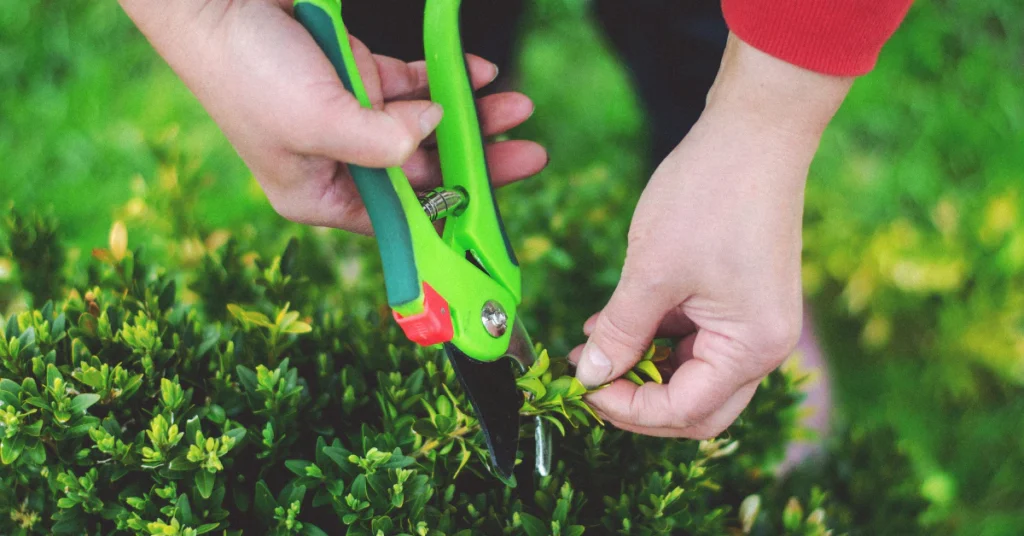
Once you know when and how much to cut, the actual mechanics of pruning petunias to keep them blooming are simple. Here’s how to do it right.
Look for a leaf node.
This is the small bump on the stem where a leaf grows out. New growth will sprout from this point after you cut, so it’s always your target.
Make a clean cut just above the node.
Use sharp scissors or bypass pruners to snip the stem about a quarter inch above the node. A clean cut heals faster than a ragged one.
Avoid cutting into bare, leafless wood.
Never cut down into the completely bare, woody base of the stem where there are no leaves or nodes left. There’s nothing left there to regrow from, and you’ll just leave a dead stub.
Collect your trimmings as you go.
Drop cut stems into a bucket or bag instead of leaving them scattered in the pot or bed.
One thing nobody warns you about: petunias get sticky fast. That texture comes from tiny structures called glandular trichomes. Think of them as tiny sticky hairs that coat the stems and leaves. They help protect the plant from pests, but they also mean your hands and your shears will get gummed up during a pruning session.
A few things help. Keep a rag with a bit of rubbing alcohol nearby and wipe your blades off every few cuts so they stay sharp and don’t drag. Garden gloves also make the job a lot less messy on your hands.
With clean tools, the right cut point, and a little patience, you’ll be able to keep your petunias blooming strong all season without second-guessing every snip.
Zone and Region Variations
Where you garden changes how you should prune, so it’s worth knowing which rules apply to you.
For most of the US, in Zones 2 through 9, petunias are strict annuals. They grow from spring through the first fall frost, then the cold kills them and you’ll pull them out and compost the plant. All the pruning advice in this guide applies to that one growing season.
Zones 10 and 11 are different. In places like South Florida or coastal Southern California, petunias can survive as short-lived perennials instead of dying off each winter, according to Missouri Botanical Garden. If you garden in one of these zones, your pruning calendar shifts. Instead of just light summer trims, plan on a harder rejuvenation cutback in late winter or early spring to clear out old growth and refresh the plant before its next bloom cycle.
One more regional note. If you garden in extreme heat, like the desert Southwest or Deep South, your petunias may stall out mid-summer no matter how well you prune. That’s heat stress, not a pruning mistake. A hard renovation chop during that lull can still help push a strong rebloom once temperatures cool off in fall.
Frequently Asked Questions
How do you prune petunias to make them fuller?
Pinch grandiflora and multiflora transplants back when they’re about 6 inches tall to force bushy side shoots. Then, through the season, keep cutting stems back just above a leaf node whenever they start to look long or sparse. Together, these two habits keep the plant full instead of straggly.
When should petunias be cut back?
Cut back as needed through mid-summer whenever stems get leggy or stop flowering well. If you garden in Zone 10 or 11, where petunias live as perennials, add a harder cutback in late winter or early spring too.
What to do with straggly petunias?
Chop stems back by about a third to half, water well, and feed with a water-soluble fertilizer. New growth usually shows up within days to a couple of weeks.
Will petunias flower again if I cut them back?
Yes. Petunias bounce back quickly from a good trim, and cutting them back is one of the best ways to trigger a fresh round of blooms.
What is the lifespan of petunias?
As annuals, which is how most of the US grows them, petunias last one growing season, from planting to the first fall frost. In Zones 10 and 11, where they can live as perennials, they’re considered short-lived, typically lasting a couple of years.
What happens if you don’t deadhead your petunias?
On varieties that aren’t self-cleaning, like Wave or grandiflora types, the plant goes to seed. It shifts energy into seed production instead of new flowers, so blooming slows down or stops.
What month do petunias stop blooming?
There’s no fixed month. It depends on your local first frost date, so check your area’s typical frost timing rather than going by the calendar.
What 8 plants should you never deadhead?
There’s no single agreed-upon list of exactly 8 plants here, so take that number with a grain of salt. What we can say for certain is that petunias aren’t on any version of this list. Most petunia varieties actually need deadheading to keep blooming well.
Why are orange petunias illegal?
Back in 2017, USDA-APHIS discovered that some orange (and later red and purple) petunia varieties contained an unauthorized genetically engineered gene and had been distributed without approval. They were pulled from the market as a result. In 2021, USDA-APHIS officially reviewed and deregulated that gene line, concluding it posed no plant risk, which made those varieties legal to sell again.
Final Thoughts
Pruning petunias isn’t something to stress over. A confident snip above a leaf node, paired with regular water and feed, is almost always enough to turn a leggy, tired plant back into a full, blooming one. Match your routine to your variety, your container setup, and your growing zone, and your petunias will keep rewarding you with color right up until frost.