A fruitless mulberry tree is a male cultivar of Morus alba grown for shade instead of fruit. It grows fast, often 10 to 12 feet a year, and can reach 30 to 50 feet tall within a decade. That speed makes it a popular pick for homeowners who want quick backyard shade without waiting years for a canopy.
But this tree comes with real trade-offs. Its roots spread aggressively and can crack driveways or invade sewer lines. Its pollen is also a heavy allergen, strong enough that some U.S. cities have banned new plantings altogether.
This guide breaks down everything you need to know before adding one to your yard. You’ll learn its growth habits, root behavior, pruning needs, lifespan, and whether local rules allow it in your area. We’ll also cover smarter alternatives if the drawbacks outweigh the shade.
What is a Fruitless Mulberry Tree?
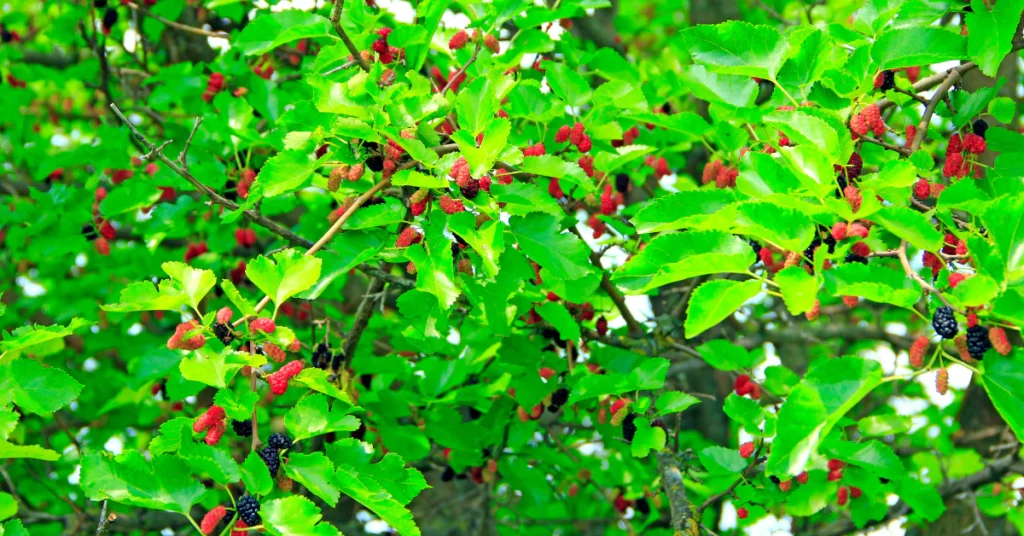
A fruitless mulberry tree is simply a male version of Morus alba, bred so it never produces the messy berries female trees drop on sidewalks and patios. Growers prize it for one thing: fast, dense shade with none of the fruit cleanup.
The leaves are the easiest way to identify it. They’re large, bright green, and can be lobed or unlobed, sometimes even on the same branch. If you’re unsure whether a tree in your yard is a fruitless mulberry, comparing a few fruitless mulberry tree pictures side by side can help you spot the leaf shape quickly.
Here’s a quick stats snapshot:
- Scientific name: Male cultivars of Morus alba (common types include ‘Stribling’ and ‘Macrophylla’)
- Growth rate: 10 to 12 feet per year when young
- Mature size: 30 to 50 feet tall and wide
- Lifespan: 50 to 75 years with proper care
Fruitless Mulberry Tree Growth Rate
Few shade trees grow this fast. Young trees can shoot up over a foot per month during peak growing season, which is why so many homeowners choose them when they need shade in a hurry.
Fruitless Mulberry Tree Lifespan
With good care, a fruitless mulberry can live 50 to 75 years. But rough pruning habits, especially heavy pollarding, can invite rot and cut that lifespan short.
Fruitless Mulberry Tree Pros and Cons
Before planting one, it helps to see the full picture. Here’s an honest breakdown of fruitless mulberry tree pros and cons:
| Pros | Cons |
| Fast-growing shade in just a few years | Highly invasive roots that damage pipes and pavement |
| Drought-tolerant once established | Excessive pollen, a severe allergen for many people |
| Thrives even in poor, rocky soil | Requires heavy annual pruning to control size |
| Handles USA heat well (USDA Zones 4-9) | Weak wood that snaps easily in high winds |
| No messy fruit dropping on patios or walkways | Banned in some cities due to pollen levels |
This tree really is a mixed bag. If you want shade fast and don’t mind yearly maintenance, it can be a great fit. But if you have allergies in the family, a septic system, or a home near power lines, the cons here aren’t small details to brush off.
Talk to a local nursery or arborist before planting, especially if you live in a city with pollen restrictions. What works great in a rural yard with open space can turn into a real headache on a small suburban lot with tight underground utilities.
The Root System: A Warning for Homeowners
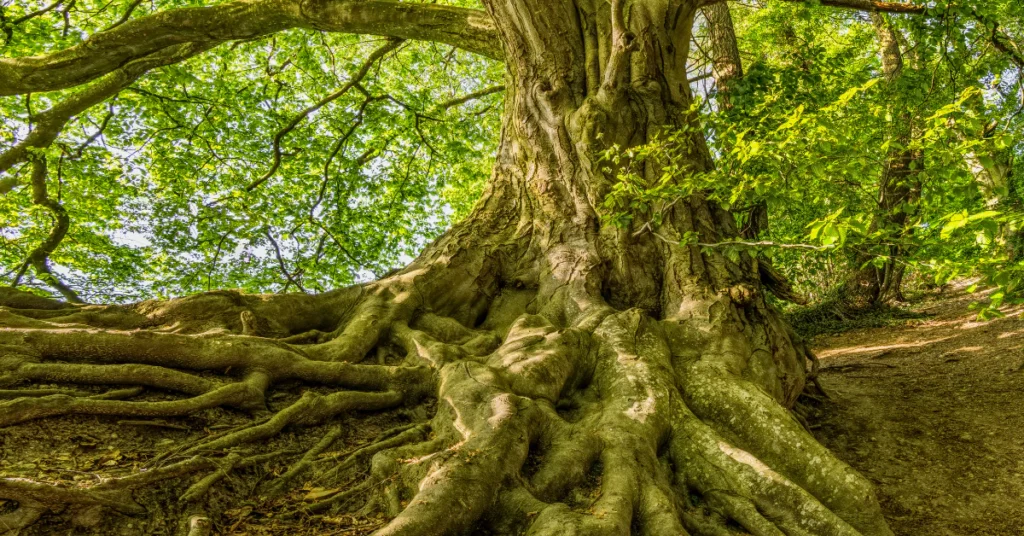
If there’s one thing that trips up homeowners, it’s the fruitless mulberry tree root system. These roots grow fast and shallow, spreading far beyond the tree’s canopy in search of water.
That shallow, aggressive growth is a problem near any hardscaping. Roots can lift sidewalks, crack driveways, and buckle patios within just a few years. They’re also notorious for invading sewer lines and septic systems, where cracks and joints offer an easy entry point for thirsty roots.
Planting distance guidelines:
- Keep at least 20 to 30 feet away from your home’s foundation.
- Keep the same distance from septic tanks and drain fields.
- Avoid planting near underground water, gas, or sewer lines.
- Skip narrow parkway strips between sidewalks and streets entirely.
Even established driveways and patios aren’t safe long-term. Once roots find a water source, whether it’s a leaking pipe or irrigation line, they’ll keep growing toward it. This is why many municipal codes now flag this species during landscape reviews.
If you already have a mature tree too close to your house, don’t try to solve it by cutting major roots yourself. Removing large structural roots can destabilize the tree and cause it to fall in high winds, since mulberry wood is already fairly weak. A certified arborist can assess whether root barriers, selective pruning, or removal is the safer path.
For more detail on how tree roots interact with soil, pipes, and structures, North Carolina State University’s Extension office has a helpful reference page on Morus alba growth habits and root behavior.
How to Plant and Care for a Fruitless Mulberry
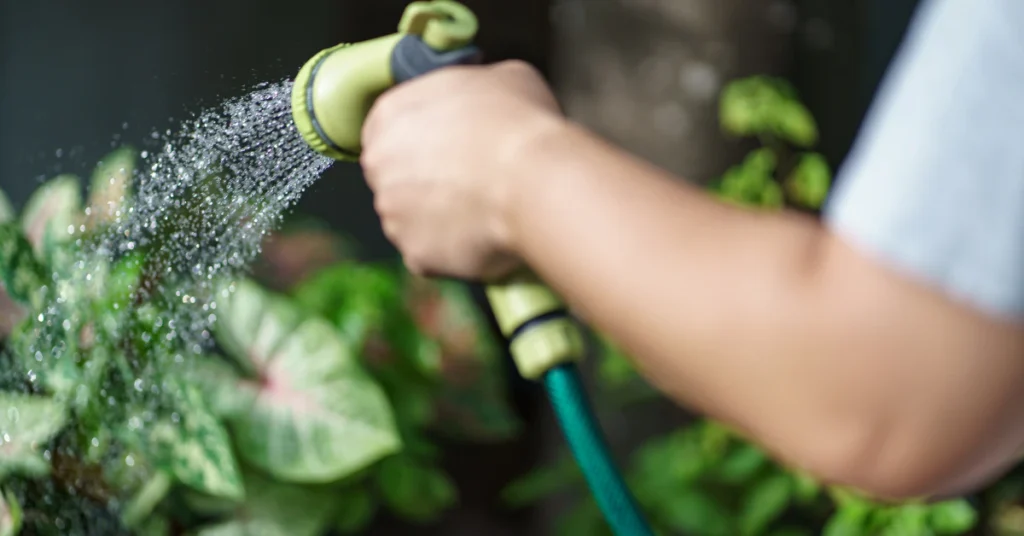
This tree isn’t fussy once it’s in the ground. A little planning up front makes care simple for years to come.
Sunlight
- Plant in full sun, at least 6 to 8 hours a day.
- Full sun helps the tree grow strong branches and thick leaf cover.
- Too much shade can cause weak, leggy growth.
Soil and fertilizer
- This tree adapts well to most soil types, even poor or rocky ground.
- Good drainage helps prevent root rot in wetter climates.
- Apply a balanced, slow-release fertilizer in early spring, right before new growth starts.
- Avoid feeding late in the year, since this can push out tender growth before winter.
Watering
- Young trees need deep watering once or twice a week to build strong roots.
- Water slowly so moisture reaches deep into the soil, not just the surface.
- Once established (usually after year two or three), the tree becomes quite drought-tolerant.
- Mature trees only need extra water during long, dry stretches.
Quick care checklist:
- Choose a full-sun spot, 20 to 30 feet from structures.
- Water deeply and regularly for the first two years.
- Fertilize once in early spring.
- Watch for weak or crossing branches to prune later.
Following these basics keeps the tree healthy without demanding much of your time.
Fruitless Mulberry Tree Pruning
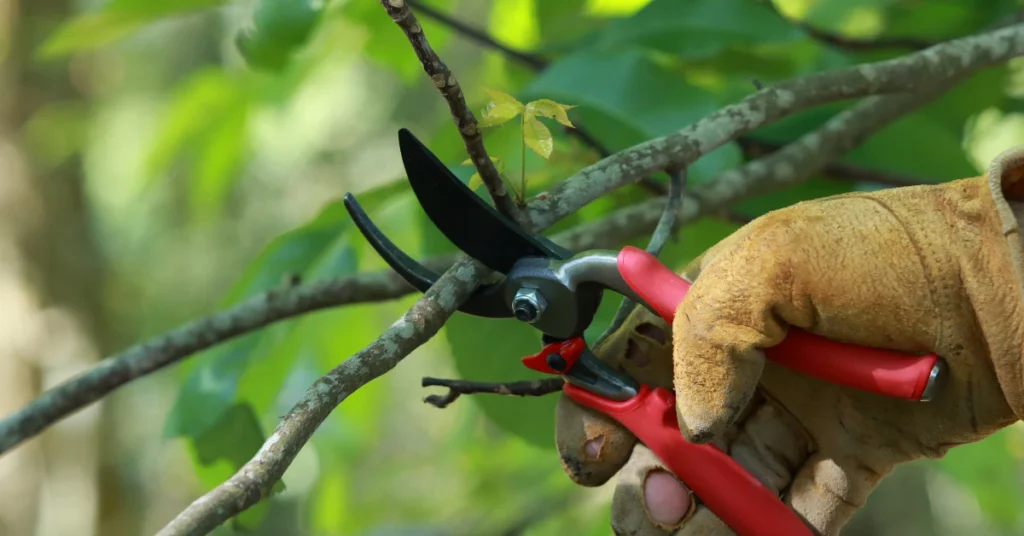
Given how fast this tree grows, fruitless mulberry tree pruning isn’t optional. Skip it for a year or two, and you’ll end up with a tangled, oversized canopy that’s hard to manage safely.
The best time to prune is during winter dormancy, when the tree has dropped its leaves and growth has paused. Pruning at this time causes less stress and lowers the risk of disease spreading through fresh cuts.
Many homeowners use a method called pollarding, where branches are cut back to the same set of “knuckles” every year. This keeps the tree’s size in check and works well for tight yards. But pollarding done poorly, or too aggressively, can cause serious problems. Repeated cuts in the same spot can lead to rot, decay, and weak regrowth that snaps easily in storms.
3 quick tips for safe pruning:
- Use clean, sharp tools. Dull or dirty blades tear bark and invite disease into the cuts.
- Never remove more than 25% of the canopy in one season. Heavy cuts stress the tree and trigger weak, fast regrowth.
- Cut just outside the branch collar. Cutting flush against the trunk removes the tree’s natural healing tissue and slows recovery.
If your tree has been pollarded for years and you’re seeing soft or crumbly wood near old cut points, that’s a sign of rot. At that point, it’s worth calling a certified arborist to check the tree’s structural safety before storm season.
Frequently Asked Questions
What are the common problems with fruitless mulberry trees?
The biggest issues are invasive roots, heavy pollen, weak wood, and fast, hard-to-control growth. Roots can damage foundations and pipes, while pollen makes the tree a poor choice for allergy sufferers.
What are the pros and cons of a fruitless mulberry tree?
The main pros are fast shade, drought tolerance, and no messy fruit. The main cons are invasive roots, heavy pollen, weak branches, and the need for yearly pruning. It’s a strong option for open, rural properties but a risky one for tight suburban lots.
What is the lifespan of a fruitless mulberry tree?
A healthy fruitless mulberry typically lives 50 to 75 years. Poor pruning practices, especially heavy pollarding, can shorten this by causing rot at old cut sites.
Are fruitless mulberry tree roots invasive?
Yes. The roots grow fast, spread wide, and stay close to the surface. They’re known for lifting sidewalks, cracking driveways, and getting into sewer and septic lines.
Why are mulberry trees illegal?
They aren’t banned nationwide, but several U.S. cities restrict them because of heavy pollen output. Las Vegas has banned planting fruitless mulberry trees since 1991, and cities like Albuquerque, El Paso, and Tucson have similar restrictions. These rules exist to reduce airborne allergens during peak pollen season. You can read the actual Clark County ordinance on the Clark County Air Quality Regulations page. Food Forest Nursery
How far should a mulberry tree be from a house?
Plant it at least 20 to 30 feet away from your home, foundation, septic system, and underground pipes. This buffer helps protect structures from aggressive root growth.
Are mulberry trees good to have in your yard?
They can be, if you have the space. On a large rural lot, they offer fast shade with little fuss. On a small suburban lot with nearby pipes or pavement, the risks usually outweigh the benefits.
Why don’t they sell mulberries anymore?
Many nurseries have quietly moved away from fruitless mulberries due to city bans and growing awareness of the root and pollen problems. Buyers increasingly ask for shade trees with fewer downsides, so nurseries have shifted their stock accordingly.
Are mulberry trees hard to get rid of?
Yes, removal isn’t always simple. If you just chop the tree down, the stump often sends up aggressive suckers from the roots. Most homeowners need stump grinding along with a follow-up herbicide treatment to stop regrowth for good.
Final Thoughts
A fruitless mulberry tree can deliver shade faster than almost any other option, but that speed comes with real strings attached. Weigh the fast growth against the root risks, pollen concerns, and pruning demands before you plant one. If your yard has the space and you’re ready for regular upkeep, it can still be a solid choice for quick, dependable shade.