To propagate pothos, cut the stem just below a node, then place that cutting in water or moist soil until new roots form. That’s it. Pothos is one of the easiest houseplants to multiply, and most cuttings grow roots within two to four weeks with the right warmth and light.
Propagating pothos is like getting a free plant every time you trim one. A single leggy vine can turn into three or four new pots, and you never have to buy another plant from the store. It’s also the fastest way to fix a pothos that looks bare or stringy. Instead of tossing those long, sad vines, you snip them and give them a second life. Whether you’re filling out a hanging basket, starting a gift for a friend, or just curious how it works, this guide walks you through every step in plain, simple terms.
The Golden Rule: Finding the Pothos Node
Before you cut anything, you need to know what a node is. A node is the small brown or tan bump you see on the vine, usually right across from a leaf. It might look like a tiny root nub or just a rough patch on the stem. That little bump is where all the magic happens, since it holds undifferentiated cells that can turn into roots once given water and warmth.
This is where most beginners go wrong. If you snip off just a leaf and its stem (called a petiole) without including a node, you’ll end up with a leaf that stays green for weeks but never grows a single root. It looks alive, but it has no way to produce roots on its own. So if you’re wondering how to propagate pothos leaves successfully, the real answer is that the leaf must come attached to a node. The leaf alone isn’t enough.
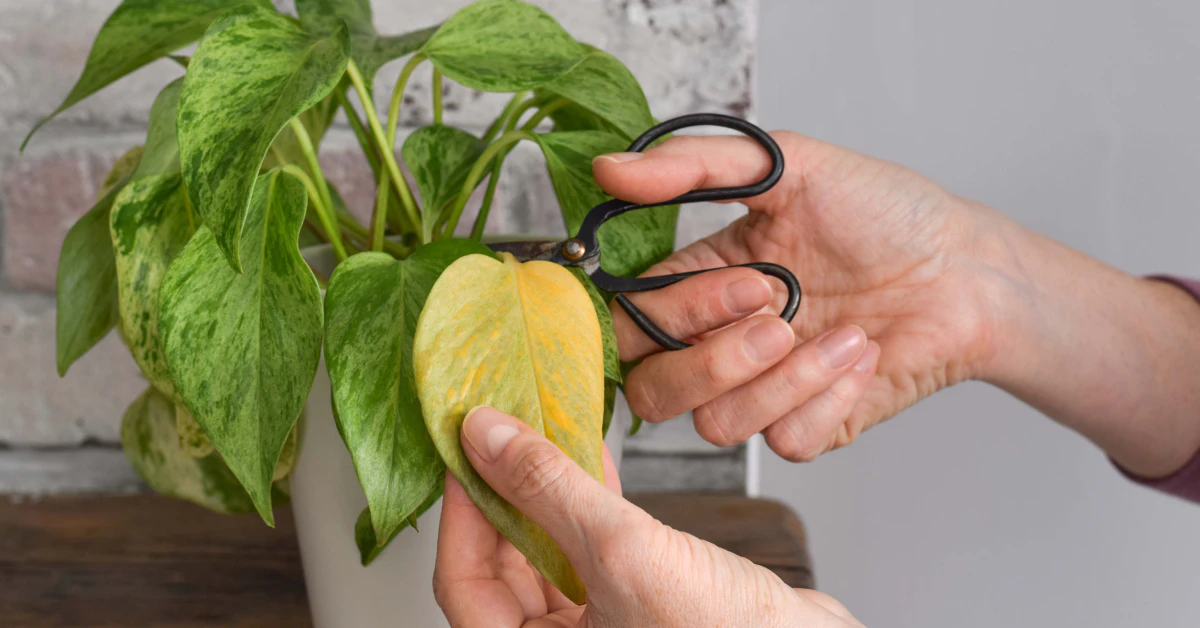
So where to cut pothos to propagate in water? Look for a node, then cut about a quarter inch below it. Each cutting should have at least one node and one or two leaves attached.
Here’s what you’ll need before you start:
- Clean pruning shears or sharp scissors
- A glass jar or small pot to hold your cutting
- Water or moist potting soil, depending on your method
Method 1: How to Propagate Pothos in Water
Water propagation is the most popular way to root pothos because you can actually watch the roots grow. It’s simple, mess-free, and great for beginners. Here’s how to propagate pothos in water, step by step.
Pick a healthy vine.
Choose a vine with three to four healthy leaves and at least one visible node.
Make your cut.
Using clean shears, cut about a quarter inch below the node at a 45-degree angle. This angled cut gives the node more surface area to soak up water, which helps roots form faster.
Remove the bottom leaf.
Take off any leaf that would sit underwater in your jar. Leaves left submerged tend to rot, and rotting leaves can foul the water and slow down root growth.
Place the cutting in water.
Drop the cutting into a glass jar filled with clean water, making sure the node is fully submerged while the leaves stay above the waterline.
Find a bright spot.
Set the jar somewhere with bright, indirect light. Direct sun can scorch the leaves, but too little light will slow rooting to a crawl. If your space doesn’t get much natural light, a grow light is worth considering, since it can speed up rooting by as much as 50%.
Change the water weekly.
Refresh the water every seven days to keep it clean and full of oxygen. Stagnant water grows bacteria, and bacteria can rot a healthy node before it ever roots.
Be patient.
It’s normal to check the jar daily and see nothing at first. This is simply how to propagate pothos without roots showing up right away. Most cuttings take two to four weeks to grow visible roots, and rushing the process rarely helps.
Wait for the right root length.
Don’t pot your cutting up the moment you spot a root. Wait until roots reach one to two inches long before moving it to soil.
Method 2: Propagating Pothos Directly in Soil
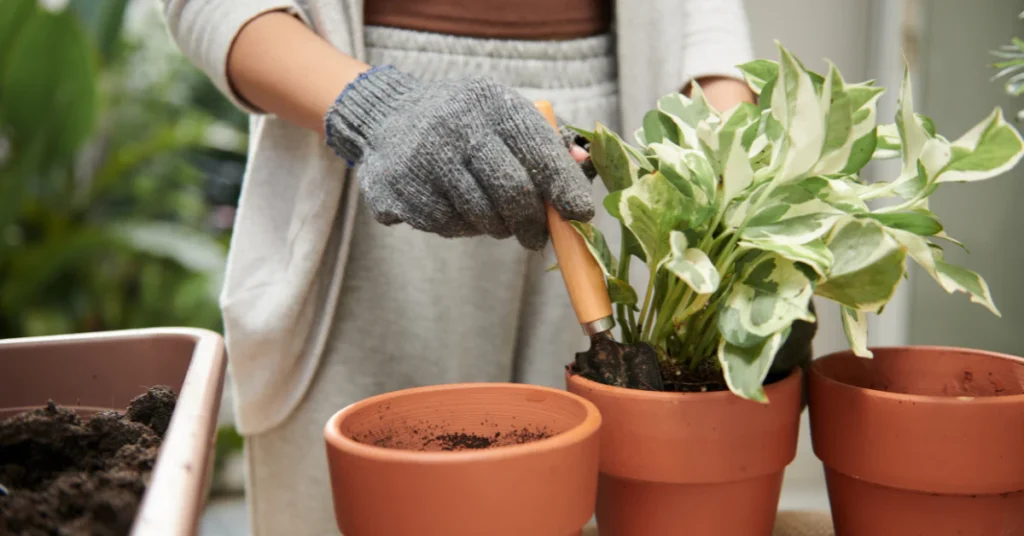
Some people prefer to propagate pothos in soil or water depending on how hands-off they want to be. Soil propagation skips the water stage completely, which means you avoid the “transition shock” that can happen when roots grown in water struggle to adjust to solid soil later. Since the roots form in soil from the start, they’re already built for it.
Here’s how to do it:
Prepare your cutting.
Cut your stem below a node, just like you would for water propagation.
Add rooting hormone (optional).
Dip the cut end in rooting hormone powder. This isn’t required, but it can help the node root a bit faster and more reliably.
Plant the node.
Poke a small hole in moist potting soil and place the node into it, deep enough that it’s fully covered. Gently press the soil around the stem so it stands upright.
Keep the soil moist.
Water your cutting regularly so the soil stays consistently moist, but never soggy. Soggy soil can suffocate a young node before it has a chance to root.
Boost the humidity.
Covering the pot loosely with a plastic bag or placing it in a humid spot helps hold moisture in the air around the leaves while the roots get established below the soil.
Within a few weeks, gently tug the stem. If you feel resistance, roots have started to form.
Method 3: How to Propagate Pothos Stems Without Leaves
Leggy pothos vines often end up bare and stringy, with long gaps between leaves. Instead of throwing away those sad, naked stems, you can use them to grow a whole new bushy plant. Learning how to propagate pothos stems without leaves is a smart way to rescue a plant that looks like it’s past saving.
Cut the bare stem into pieces.
Snip the leafless vine into small sections, about one to two inches long. Each piece needs to contain at least one node, since that’s the only part that can grow roots.
Lay the pieces down.
Instead of standing these cuttings upright, lay them horizontally on top of moist potting soil or sphagnum moss. The node should be pressed lightly into the surface so it stays in contact with the moisture.
Seal in the humidity.
Place the tray or pot inside a clear plastic container or a loosely closed ziplock bag. Warmth and high humidity are what push these bare nodes to sprout new shoots and roots.
Wait longer than usual.
This method takes more patience than water or soil propagation. Without leaves, the cutting has no way to photosynthesize and make its own energy, so growth is slower at first.
The payoff is worth it, though. Once new shoots appear, each node can grow into a full, leafy stem, giving you a fuller, bushier plant than a single-node cutting ever could.
Water vs. Soil: Which Propagation Method is Better?
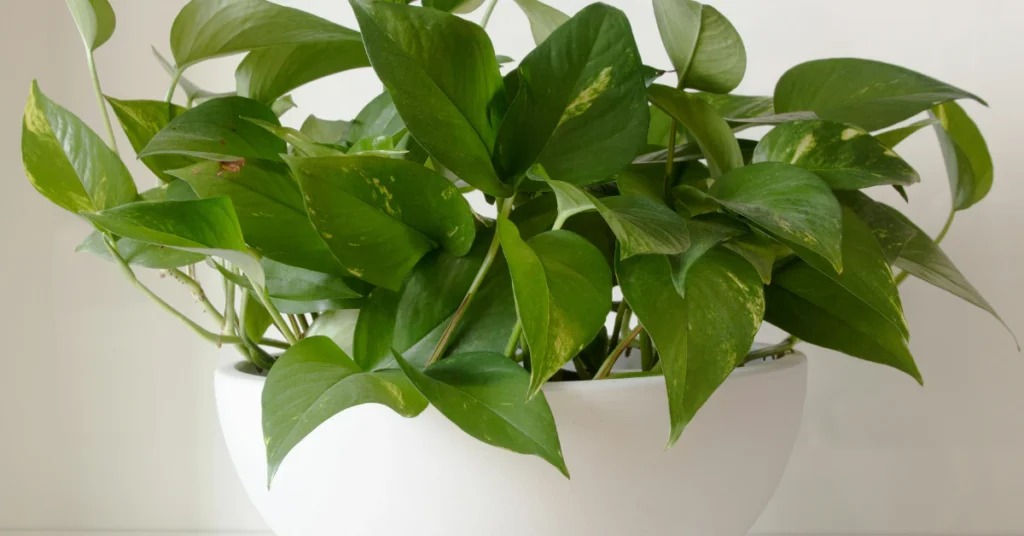
Both methods work well, but each fits a different kind of gardener.
| Method | Pros | Cons | Best For |
| Water | Easy to watch roots grow; simple setup | Roots can be fragile; needs a transition step | Beginners who want visible progress |
| Soil | No transition shock; roots are built for soil from day one | Harder to check on root growth | Gardeners who want a hands-off, one-step process |
There’s an important difference between water roots and soil roots. Roots grown in water are thinner and more fragile, since they never had to push through dense material to grow. If a cutting sits in water for months instead of weeks, those roots get used to the easy life and struggle to adapt when finally planted in heavier, drier soil.
That’s why timing matters. Once water roots reach one to two inches, move the cutting into soil promptly instead of waiting longer for bigger roots.
Here’s a pro tip for a smooth switch: when you move a cutting from water to soil, keep the soil extra moist for the first week. This gentle, damp environment softens the shock and gives the new roots time to adjust to their firmer surroundings.
Common Propagation Problems (And Plant Patents)
Even simple projects run into small snags. Here’s how to handle the two most common ones.
Algae growing in the jar
That cloudy green tint in your water is algae, and it thrives on sunlight and stagnant water.
- Clean the jar thoroughly with soap and water before adding a fresh cutting
- Move the jar a bit further from direct sunlight, keeping it in bright, indirect light instead
- Change the water more often if algae keeps coming back
No roots after several weeks
If it’s been over a month with zero root growth, something in the setup needs a second look.
- Double check that your cutting actually includes a node. A leaf or stem without one will never root, no matter how long you wait
- Make sure the room is warm enough. Cold spots slow down root growth significantly, so aim for consistent, comfortable indoor warmth
- Confirm the cutting is getting enough light, not sitting in a dim corner
A Legal Note Worth Knowing
Before you start propagating every pothos you see, there’s a legal detail most people never hear about. Under US Plant Patent Act rules, it’s actually illegal to asexually propagate a patented plant variety, even if it’s just for your own home and not for selling. This applies to cuttings, division, and any other method that copies the plant without seeds.
Classic Golden Pothos is not patented and is completely safe to propagate freely. But newer, trademarked varieties can carry active patents, so it’s worth checking a plant’s tag or doing a quick search before you start snipping. Groups like university extensions publish helpful guides on patented plants and intellectual property laws for plants if you want to dig deeper into how these protections work.
Frequently Asked Questions
Where do you cut pothos for propagation?
Cut about a quarter inch below a node. The node is the small brown bump on the stem, and it’s the only part of the plant that can grow new roots.
Is it better to propagate pothos in water or soil?
Water is easier for beginners because you can actually watch the roots develop. Soil takes a bit more trust, but it avoids the transition shock that can happen when moving water-grown roots into a soil pot later.
What is the fastest way to propagate pothos?
Water propagation tends to be quickest, especially with bright, indirect light and a warm room. A grow light can speed things up even more if your space doesn’t get much natural sun.
Are pothos illegal to propagate?
Common varieties, like classic Golden Pothos, are not illegal to propagate. However, patented varieties are protected by law, and propagating them without permission is illegal, even for personal use.
What plants are illegal to propagate in the USA?
Any plant with an active US Plant Patent falls under this rule. Check the plant’s tag for the letters “PP” or “PPAF,” which signal that a patent applies.
Do pothos prefer to climb or hang?
In the wild, pothos climb trees, and this causes their leaves to grow much larger than usual. Indoors, they do perfectly well hanging from a basket or shelf, even though the leaves stay smaller.
Final Thoughts
Propagating pothos is a small skill that pays off again and again. Once you understand where to cut and how to care for a new cutting, you can turn one plant into a whole shelf of them. Take your time, watch for those roots, and enjoy the process of growing something new from something you already have.