The plant sold as a “citronella mosquito plant” is usually a scented geranium (Pelargonium sp.), not true citronella grass. It’s hardy in USDA Zones 9-11 and grown as a houseplant or annual elsewhere. The short version on whether it works: a 1996 University of Guelph study found the living plant does not repel mosquitoes.
So you bought one anyway, or you’re thinking about it. Fair enough, it’s a good-looking plant. This guide covers everything you actually need to know: how to tell which citronella you own, what the real science says about mosquito repellency, how to keep it alive through summer and winter, how to make more of them for free, and an important safety note if you have pets at home.
What Did I Just Buy? The Great Citronella Confusion
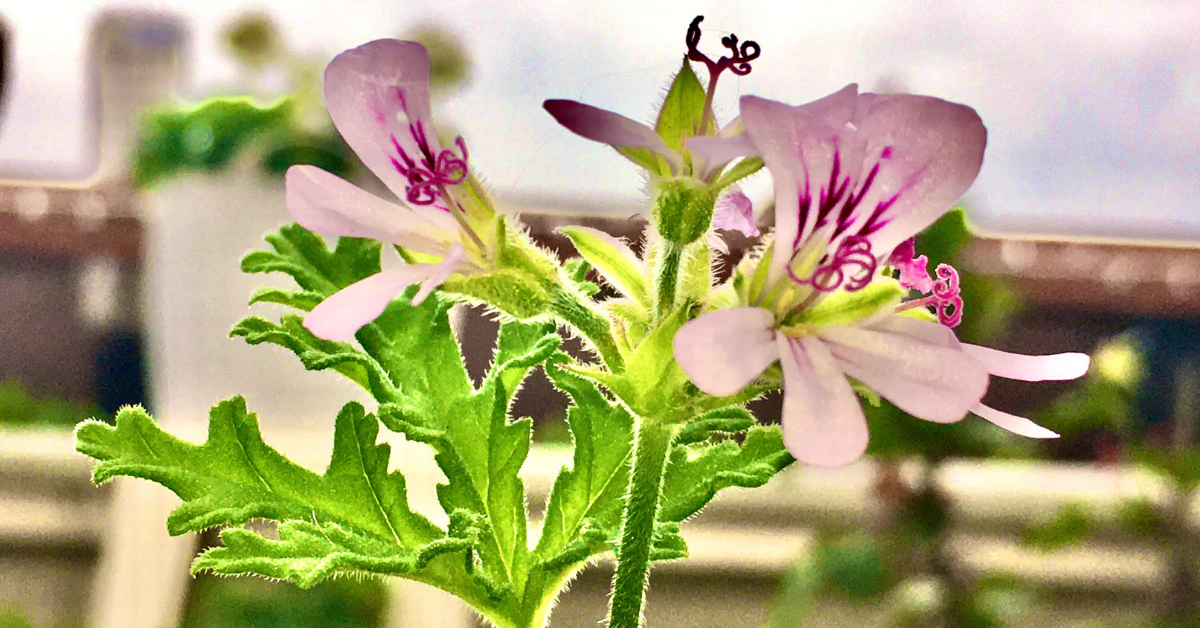
Here’s the twist most garden centers never tell you. The plant labeled “citronella” or “mosquito plant” on the tag is almost always a citronella geranium (Pelargonium citrosum), not true citronella grass. It has lacy, deeply lobed leaves and small pink or purple flowers. It smells like citronella when you rub the leaves, but it’s actually a type of scented geranium.
True citronella grass (Cymbopogon nardus) is a completely different plant. It looks like a tall, clumping ornamental grass with long blade-like leaves, similar to lemongrass. This is the plant that citronella oil actually comes from.
Why does this mix-up happen? Both plants share a similar citrusy scent, and nurseries often use “citronella” as a catch-all name for anything that smells like it. If you’re not sure which one you bought, check the leaves. Lacy and geranium-shaped means you have the scented geranium. Tall and grassy means you have the real citronella grass.
One more fact worth knowing: true citronella grass is naturalized in parts of the US, including Florida, according to distribution data from Kew’s Plants of the World Online. That means it grows wild there now. But it is not listed as a noxious weed in the US, so you don’t need to worry about it taking over your yard the way some invasive plants do.
Here’s how the three lookalikes stack up side by side:
| Plant | Scientific Name | Mosquito-Repellent Oil Content | Hardiness Zone | Mature Size | Pet Toxicity |
| Citronella Geranium | Pelargonium citrosum | Very low; smell is similar but oil composition differs from true citronella | Zones 9-11 | 2-3 feet tall and wide | Toxic to dogs and cats (ASPCA) |
| Citronella Grass | Cymbopogon nardus | Contains actual citronella oil, the source of commercial repellent products | Zones 9-11 (some sources say up to 12) | Can reach several feet tall, clumping habit | Not covered in ASPCA’s toxic plant lists in this research |
| Lemongrass | Cymbopogon citratus | Related to citronella grass but does not contain the same repellent oil | Similar warm-zone requirements | Similar clumping, grass-like form | Not covered in ASPCA’s toxic plant lists in this research |
Bottom line: if mosquito control was your goal, the geranium sold at most nurseries isn’t the plant that makes citronella oil in the first place.
Do They Actually Work? The Science on Repellency

Let’s get straight to it, since this is probably why you’re here.
Citronella oil itself is not fake. The EPA registered citronella oil as a biopesticide active ingredient all the way back in 1965. That’s a real, government-recognized product with real repellent properties when it’s extracted and applied.
But here’s the problem. The living plant in your yard is not the same as the bottled oil. Just because a plant contains a compound doesn’t mean it’s giving off enough of that compound to do anything useful while it’s just sitting there in a pot.
Two separate studies back this up.
In 1996, researchers at the University of Guelph ran a field trial on the citrosa plant (the citronella-scented geranium). They put people in a mosquito-heavy area and measured how many bites they got. The plant did not reduce bites. Even more telling, mosquitoes were seen landing and resting directly on the plant. If the plant actually repelled mosquitoes, that shouldn’t happen.
More recently, a 2026 study published in the Journal of Medical Entomology tested six ornamental plants, including the citronella-scented geranium, using a lab method called a Y-tube olfactometer. This method measures whether mosquitoes actively avoid a scent. The citronella geranium was one of the top-ranked candidates going into testing. It still failed to reduce mosquito catch rates compared to the control group.
So why doesn’t it work if the oil is real? Here’s the part most garden center tags leave out. The repellent compounds in these plants are stored inside the leaf tissue. They only release into the air in any meaningful amount when the leaf is crushed, torn, or rubbed. A plant just sitting on your patio, untouched, is not doing that. It’s not constantly releasing a protective cloud of scent the way a candle or a spray does.
This also answers a question a lot of people ask: how many plants would I need for it to work? The honest answer is that adding more plants doesn’t fix the underlying problem. You could line your whole patio with citronella geraniums and still get bitten, because none of them are being crushed or disturbed enough to release their oils continuously into the air.
None of this means the plant is useless to own. It genuinely smells great when you brush against it, and it’s an attractive, easy-care addition to a patio or porch. Just don’t buy it thinking it will replace bug spray. According to the EPA’s own biopesticide list, it’s the extracted oil, not the growing plant, that does the actual work.
Toxicity Warning: Is the Citronella Plant Safe for Pets?

If you have a dog or cat, read this section before you put this plant anywhere near your yard or patio.
The citronella geranium (Pelargonium sp.) is officially listed by the ASPCA as toxic to both dogs and cats. This isn’t a maybe. It’s on their confirmed toxic plant list.
If your pet chews on or eats part of the plant, watch for these symptoms:
- Vomiting
- General gastrointestinal upset
- Muscle weakness (in larger amounts eaten)
- Loss of coordination (in larger amounts eaten)
- Depression or lethargy (in larger amounts eaten)
- Hypothermia, meaning a lower than normal body temperature (in larger amounts eaten)
Smaller amounts tend to cause the milder symptoms, like vomiting. Larger amounts are what lead to the more serious effects like muscle weakness or hypothermia.
If you catch your dog or cat chewing on this plant, or you notice any of these symptoms after they’ve been near it, call your veterinarian or a poison control hotline right away. Don’t wait to see if it gets worse on its own.
The safest move is simple. Keep this plant somewhere your pets can’t reach it. That might mean a hanging planter, an elevated stand, or a part of the yard your pet doesn’t have access to. If you have a curious dog or a cat that likes to nibble on greenery, it’s worth being extra careful with where you place this one.
Citronella Mosquito Plant Care: Light, Soil, and Water

Good citronella mosquito plant care comes down to three things: light, soil, and water. Get these right and the plant is pretty low maintenance.
Light
This plant needs at least 6 hours of direct sunlight every day. A spot on a sunny patio, deck, or south-facing garden bed works well. Less light than that, and the plant tends to get leggy and weak instead of full and bushy.
Soil
Well-draining soil is non-negotiable here. This plant does not like sitting in soggy, waterlogged dirt. If you’re planting in a container, make sure it has drainage holes. If you’re planting in the ground, avoid low spots where water tends to collect after rain.
Water
Water when the top inch of soil feels dry. Don’t let it dry out completely, but don’t keep it constantly wet either. Overwatering is one of the fastest ways to kill this plant.
A Note for Zone 9 Gardeners
Not all of Zone 9 is the same, and this matters more than most care guides admit.
If you’re gardening in the humid Gulf Coast or Southeast, you’re dealing with a lot of natural rainfall and high humidity. That combination raises your risk of root rot significantly. Pay extra attention to drainage here. Raised beds, containers with generous drainage holes, and soil mixed with sand or perlite all help move excess water away from the roots faster.
If you’re in the arid inland Southwest, also technically Zone 9, your challenge is the opposite. Rainfall is scarce, and the air is dry. Your plant will need more consistent watering to avoid drying out completely, especially during peak summer heat. The soil still needs to drain well, but your bigger day-to-day concern is making sure the plant doesn’t dry out between waterings.
Same zone number, two very different care realities. Know which one you’re in before you assume “Zone 9 care” means the same thing everywhere.
Overwintering & Indoor Care: Beating the Cold
If you live outside Zone 9-11, fall is the season this plant tests your patience.
The rule is simple: bring your citronella plant indoors once nighttime temperatures drop to 45°F. Don’t wait for the first frost warning to make your move. By then, you’re already cutting it close.
Here’s a question that comes up a lot, especially from gardeners in Zone 5 through 7. Can you graft this plant onto hardier rootstock, or breed a cold-tolerant version that survives freezing winters outdoors? The answer, based on responses from university extension offices, is no. This isn’t something you can work around with grafting or plant breeding. If you’re in a colder zone, your only real options are growing it as an annual, or moving it indoors each year.
Now here’s the mistake most people make, and it’s an easy one to avoid once you know about it.
Gardeners usually wait until the last minute, then drag a large, full-grown plant straight from bright outdoor sun into a dim indoor room. The plant goes into shock. Leaves yellow, wilt, and drop, sometimes within days.
The fix is to prune the plant back to about 6 to 8 inches before you bring it inside. Yes, it will look bare for a while. But a smaller plant handles the transition from bright sunlight to indoor light far better than a large, leafy one. It also takes up a lot less space on your windowsill.
Once indoors, here’s what your citronella mosquito plant needs to survive the winter:
- A bright spot, ideally a south-facing window
- At least 6 hours of light daily, since winter days are shorter and dimmer
- Water only when the top inch of soil is dry
- No fertilizer needed during the dormant winter months
Come spring, once nighttime temperatures are reliably back above 45°F, you can start hardening the plant off and move it back outside gradually.
Skipping the pruning step is the single biggest reason indoor citronella plants fail every winter. Do that one thing right, and the rest of the process is fairly forgiving.
How to Propagate Citronella Plants

Making new citronella plants is easier than most people expect, and it’s a lot cheaper than buying more from the nursery every spring.
You’ll get the best results with citronella mosquito plant propagation through stem cuttings, not seeds. Growing from citronella seeds is possible in theory, but it’s slower and less reliable. Cuttings root faster and give you a plant that matches the parent.
Here’s how to do it, step by step:
- Take your cutting. Snip a softwood stem, meaning a newer, flexible growth rather than a thick, woody part of the plant. Aim for 3 to 5 inches long.
- Remove the bottom leaves. Strip off any leaves on the lower half of the cutting. You only want a few leaves left at the top.
- Dip in rooting hormone. This step isn’t required, but it helps the cutting root faster and more reliably.
- Plant it. Stick the cut end into moist potting soil, about an inch or two deep.
- Place it somewhere bright but not too sunny. Direct, harsh sun can stress a cutting before it has roots to support itself.
- Keep the soil moist. Not soaking wet, just consistently damp while the roots develop.
- Be patient. Rooting typically takes 5 to 8 weeks. Resist the urge to tug on it to check for roots.
Once you see new growth on top, that’s your sign the cutting has rooted and is ready to be treated like a regular young plant.
Frequently Asked Questions
Do citronella plants actually keep mosquitoes away?
Not really, according to the research. A 1996 University of Guelph field trial found the citronella-scented geranium did not reduce mosquito bites, and mosquitoes were even seen landing on the plant. A more recent 2026 study in the Journal of Medical Entomology tested the same plant using a lab method that measures scent avoidance, and it still failed to reduce mosquito catch rates. The core issue is that the repellent oils are stored inside the leaves and only release when the leaves are crushed or rubbed. Just having the plant nearby, untouched, doesn’t do much.
Do citronella mosquito plants come back every year?
Only if you live in USDA Zones 9-11. In those zones, the plant is a true perennial and survives outdoors year-round. Everywhere else, it can’t handle frost and will die when temperatures drop, unless you bring it inside before winter hits.
Is the citronella plant poisonous to dogs?
Yes. The citronella geranium (Pelargonium sp.) is listed by the ASPCA as toxic to both dogs and cats. Eating it can cause vomiting and general gastrointestinal upset. In larger amounts, it can also cause muscle weakness, loss of coordination, depression, or hypothermia. If your pet chews on the plant, contact your vet or poison control right away.
Can I put a citronella plant inside the house?
Yes, and it actually does well indoors. It needs at least 6 hours of bright light a day, so a south-facing window is ideal. In winter, when natural light is weaker, you may need to supplement with a grow light to keep it healthy.
What bugs will citronella keep away?
Honestly, the research doesn’t support this plant repelling mosquitoes or any other insects while it’s just sitting there uncrushed. The oil inside the leaves has repellent properties, but it needs to be released through crushing or extraction to actually do anything. As a living, undisturbed plant on your patio, it isn’t doing pest control work.
Where is the best place to put a citronella plant?
Pick a spot with 6 to 8 hours of sunlight and well-draining soil, since soggy soil raises the risk of root rot. Just as important, make sure it’s somewhere your pets can’t reach it. An elevated planter, hanging pot, or fenced-off garden bed all work well if you have a curious dog or cat at home.
Final Thoughts
The citronella mosquito plant is a nice-looking, easy-care addition to a patio or garden. It smells great when you brush against the leaves, and it’s simple to grow, propagate, and even bring indoors for winter.
What it won’t do is replace your bug spray. The science is pretty clear on that point, from the 1996 Guelph study to the more recent 2026 research. If mosquitoes are your main problem, this plant isn’t the fix.
And if you have pets, treat this one with the same caution you would any toxic houseplant. Keep it out of reach, and you can enjoy it without the worry.