
Lavender needs full sun, gritty soil that drains fast, and a soil pH of 6.5 to 7.5. Water deeply but rarely once it is established. One tablespoon of slow-release food per plant covers a whole season, so skip extra fertilizer. Plant after the last spring frost. Prune yearly into green growth, never into bare wood.
Pet Safety Alert: Is Lavender Toxic to Dogs and Cats? Yes. The ASPCA lists English lavender (Lavandula angustifolia) as toxic to dogs, cats, and horses. The cause is two compounds, linalool and linalyl acetate. Signs include nausea, vomiting (in dogs and cats), and loss of appetite. If your pet may have eaten some, call your vet or ASPCA Poison Control at (888) 426-4435. A consultation fee may apply. Use caution with other lavender types too.
Pick the Right Lavender for Your Climate (Why Zone Labels Lie)
The “Zones 5–9” Trap
Nursery tags love to say “zones 5 to 9.” Don’t lean on that range too much. Hardiness zones only measure how much winter cold a plant can take. They say nothing about summer heat or sticky, humid air.
UF/IFAS rates English lavender for zones 5B through 8. It may decline in zone 8 because of summer heat. That means a plant tagged “hardy to zone 9” can still die in a hot, humid yard.
Find your zone on the USDA Plant Hardiness Zone Map. Then ask a second question: how hot and wet are my summers?
Cold & Dry Climate Picks (Zones 4–7)
English lavender is your best bet here. Utah State Extension says it is hardy in zones 5 to 8. It can even survive zone 4 winters if you mulch it or plant it in a south-facing spot. Illinois Extension also lists zones 5 to 8 for overwintering. Colorado State says hardy varieties thrive in Colorado zones 5 through 7.
Want extra cold protection? eXtension names three picks known to be hardy to zone 4:
- ‘Munstead’
- ‘Hidcote Blue’
- ‘Phenomenal’
Hot & Humid Coastal South Picks (Zone 8+ & Gulf Coast)
Hot, wet summers are a different story. UF/IFAS says English lavender cannot easily be grown in the hot, humid coastal South. Clemson adds that not every lavender survives in South Carolina. Both point gardeners toward Spanish, French, and sweet lavender.
Sweet lavender (Lavandula heterophylla) tolerates heat and humidity. UF/IFAS says it handles cold down to 15°F too. Clemson says these hot-climate types need full sun and excellent drainage to avoid mildew.
Be realistic, though. UF/IFAS notes that most lavenders in the humid Southeast are not long lived. If yours fades early, the climate is the likely cause, not your skills.
| Climate | Best Picks | Hardiness and Heat Reality |
| Cold and dry (zones 4-7) | English lavender; ‘Munstead’, ‘Hidcote Blue’, ‘Phenomenal’ | Hardy in zones 5-8 (Utah State, Illinois). Zone 4 with mulch or a south-facing spot. Hardy varieties thrive in Colorado zones 5-7 (Colorado State). |
| Zone 8 heat | English lavender, with caution | May decline in summer heat (UF/IFAS). |
| Humid coastal South | Spanish, French, sweet lavender | Need full sun and excellent drainage (Clemson). Sweet lavender tolerates heat and humidity and handles cold to 15°F (UF/IFAS). Most are short lived. |
Soil, Sun, and Spacing: Setting Up Roots for Success
The “High and Dry” Sun Rule
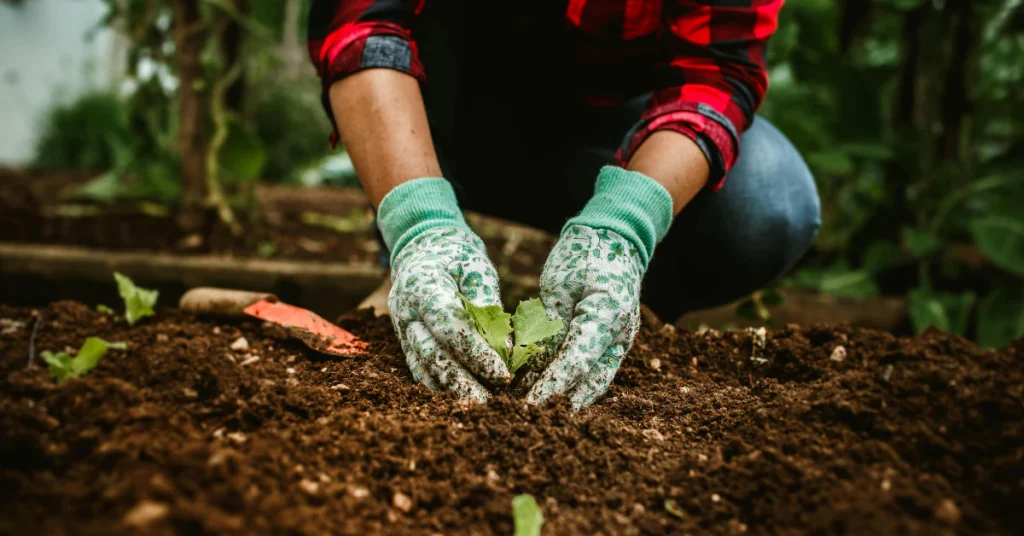
Lavender wants the brightest, driest spot in your yard. Illinois Extension says it needs full sun, at least 8 hours each day. Gardeners on forums learn this the hard way. One shaded side of the plant thins out and dies while the sunny side stays fine. Skip spots near trees or tall walls that block light.
Clearing Up Soil pH & Drainage Confusion
You may see advice online to give lavender acidic soil. Ignore it. Utah State Extension says English lavender does best in well-drained soil with a pH of 6.5 to 7.5. That range is neutral to slightly alkaline. A simple soil test tells you where you stand.
Drainage matters even more than pH. Lavender does poorly in soggy soil, and Utah State warns that wet roots invite Phytophthora root rot, a soil disease. Dry, sandy, well-drained soil is ideal. Mixing 1 inch of coarse compost into the top 4 to 8 inches helps open up the soil. In Florida’s humid climate, UF/IFAS Extension suggests raised beds or containers to improve drainage.
How Far Apart to Plant
Space plants 18 to 24 inches apart, per Utah State Extension. Other guides suggest wider gaps, but this number is for English lavender. Plants grow 1 to 2 feet tall and wide, and they take 3 years to reach full size. The gaps will look big at first. Don’t fill them in, because UF/IFAS notes lavender does not like to be crowded.
Spring vs. Fall Planting Caveat (& Seeds vs. Starts)
Plant nursery starts in spring, after the last frost. Utah State says fall planting works only if you have 2 months of good weather before winter. Young fall plants also need heavy mulch, because lavender grows slowly in fall and may not survive winter without good roots. In cold zones, play it safe and wait for spring.
Seeds are an option. UC Master Gardeners say to sow indoors 8 to 10 weeks before the last frost. But Utah State says seeding is not recommended, since germination is low and it takes 100 to 200 days to reach transplant size. For beginners, nursery plants are faster and safer.
How Much to Water and Fertilize Lavender (By Growth Stage)
The Exact Watering Schedule
“Water lightly” is not much help. Utah State Extension gives real numbers, based on how old the plant is.
| Stage | How much water |
| Just planted, getting established | 1 gallon per plant, once a week |
| Established, before flower buds form | 1/2 gallon per plant, every 2 weeks |
| Flowering | 1 to 2 times per week |
Utah State adds that lavender is very drought tolerant once established, but it makes more blooms with regular watering.
The Dry-Surface Trap
The top of the soil can look dusty and dry while the roots below sit in wet dirt. A Gardening Know How expert warns that this fools many gardeners. They water again, and the plant slowly drowns.
Before you pick up the hose, dig down a little and feel the soil near the roots. If it is still damp, wait.
Regional Caveat: Can You Water Overhead?
It depends on your air. Colorado State Extension says overhead watering works as well as drip lines in Colorado, because the air there is dry.
The humid South is different. UF/IFAS Extension says lavender does not like being watered overhead. Wet leaves in sticky air invite trouble. Clemson Extension also warns that humid-climate lavender needs good drainage to avoid mildew.
Here is a simple rule:
- Dry climate: Overhead watering is fine.
- Humid climate: Water at the base of the plant.
The 1-Tablespoon Fertilizer Rule
Lavender does not need much food. Utah State says too much fertilizer gives you lots of leaves and fewer flowers. It also makes plants easier to hurt with disease and cold.
Here is what to do:
- If you mixed compost into the soil at planting, skip fertilizer in the first year.
- After that, one application of slow-release fertilizer covers the whole growing season.
- The limit is 1 tablespoon per plant.
When and How to Prune Lavender (Plus the Year-One Bud Trick)
Pruning scares a lot of people. They skip it, and the plant turns into a split, woody bush a few years later. A few simple rules take the fear away.
Year-One Rule: Pinch the Blooms, Skip the Hard Prune
New plants do better when they build branches first and flowers later. Utah State Extension says to clip the branches in the first year so they don’t flower. This pushes the plant to grow side shoots.
Don’t go further than that. eXtension says not to prune brand new plants until they are in their second season of growth. In year one, clip the flower stems and leave the rest alone.
The Golden Rule of Cutting
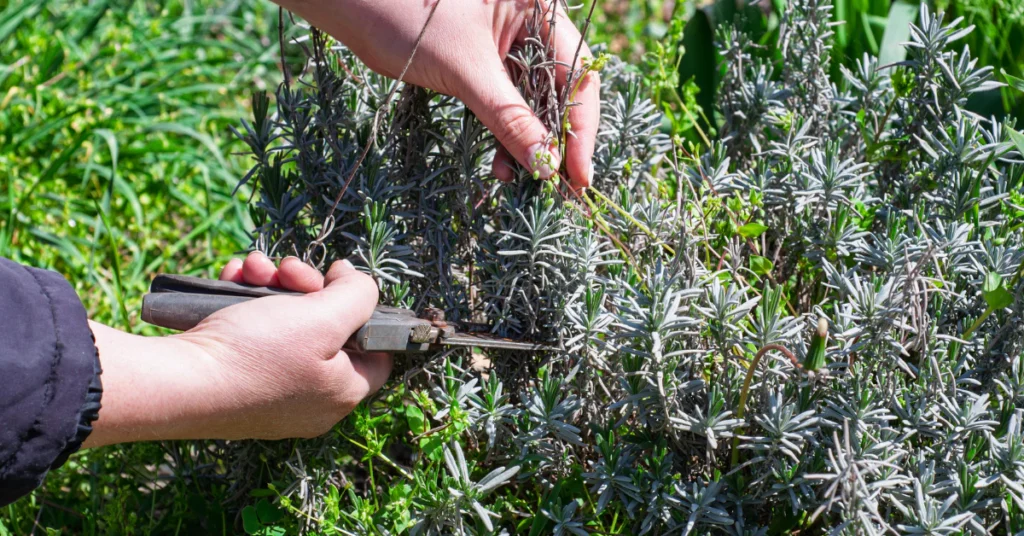
Here is how to prune woody lavender, or any lavender, without hurting it:
- Cut no more than 1/3 of the length.
- Cut into green, leafy growth only.
- Never cut down into old, leafless wood.
Illinois Extension warns that lavender will not regrow from bare wood. eXtension agrees: always cut into the new, green part of the stem.
If your plant is already very woody, don’t hack it down in one go. Trim the green growth lightly and plan to replace the plant if it keeps declining.
The Regional Pruning Calendar
Extension offices do not agree on one date, and that is fine. Winter and summer work differently across the country. Pick the window that fits your area.
| Where you live | When to prune | Source |
| Colder climates | Late summer or early fall. Pruning too late can make plants more prone to winter injury. | eXtension |
| Colorado | Spring, when green leaves start to appear at the base | Colorado State Extension |
| Florida Panhandle | Early January, cutting back about 1/3 of the height | UF/IFAS Extension |
| Utah | Every year, right after flowering | Utah State Extension |
Not sure which one fits you? Look at your winters. If freezes hit hard where you live, avoid late pruning. If your winters are mild and your summers are wet, a winter trim keeps the plant tidy and open to air.
Growing Lavender in Pots and Indoors (Light & Repotting Rules)
Why Potted Lavender Turns Yellow at the Bottom
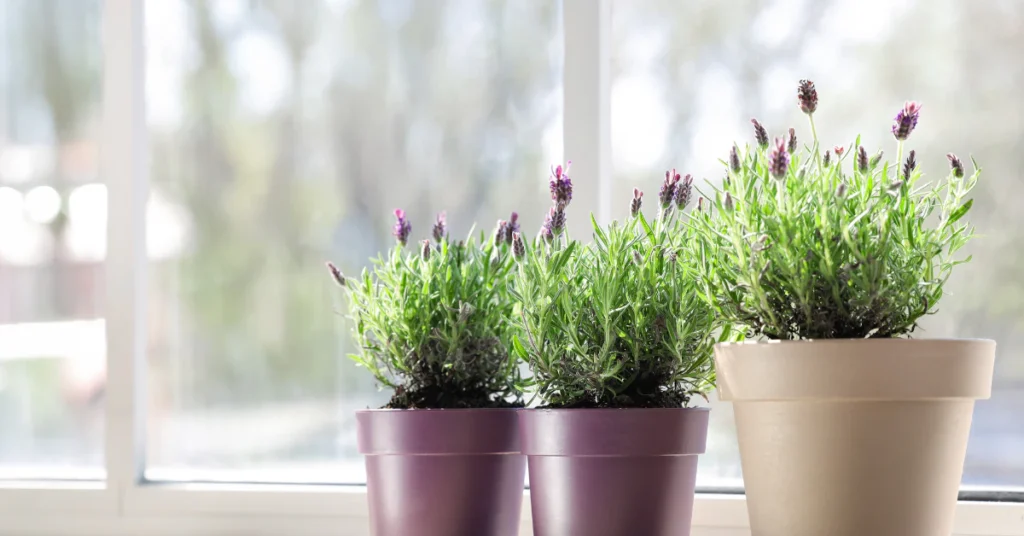
A gardener in Tennessee (zone 7) asked Richters why a two-year-old pot of lavender stopped blooming and dropped yellow lower leaves. The pot got water once or twice a day in hot, humid weather. The answer: all that watering washes out nutrients and packs the soil down. Some roots may die as a result.
The fix has two parts. Water less often, and give the plant a bigger pot with fresh mix. Richters also said to trim a top-heavy, bare plant back by about one third in spring.
The Annual Spring Repotting Rule
Pots need yearly care. Utah State Extension says to repot lavender grown in a pot every spring. Move it into a larger container with fresh, coarse potting soil. This keeps the soil loose and helps the plant make more flowers.
UF/IFAS Extension also suggests containers for lavender in humid areas, since they help with drainage.
Can Lavender Grow Indoors? (The Exact Light Math)
Yes, with enough light. Many guides say it’s nearly impossible. UC Master Gardeners give real numbers instead:
- A sunny window with 5 to 6 hours of bright light, or
- Supplemental LED or fluorescent lights for 14 to 16 hours a day
Indoor lavender that wilts is often facing two problems at once: too little light and too much water. Gardening Know How experts note that most lavender won’t do well indoors without extra light and heat. Let the soil dry out well between drinks.
Overwintering Lavender: Mulch Timing and Winter Care
Losing lavender every winter is discouraging, especially when you piled on straw and leaves to help. The timing of that mulch may be the real problem.
Why Mulching Too Early Kills Lavender
Lavender goes dormant when cold weather arrives. eXtension says not to cover it before a hard freeze, because the plant may stay too warm and get confused. So hold off on the straw in early fall. Once a hard freeze hits, add a well-draining mulch or straw around the base.
Drainage matters all winter too. The same source says lavender needs well-drained soil, especially through winter.
Utah State Extension adds that young plants set out in fall need heavy mulch. It also says English lavender can survive zone 4 winters if mulched or planted in a south-facing spot.
Arid West vs. Cold North Winter Needs
Dry winters bring a different risk. Colorado State Extension says winter watering will increase survival for lavender in Colorado. If you garden in a dry Western climate, don’t assume a dormant plant needs nothing.
In wetter regions, put your focus on drainage instead.
Overwintering Pots & The “Wait Until Late May” Rule
Pots need extra attention. Utah State says to repot container lavender every spring into a larger pot with fresh soil. For winter shelter, choose a protected spot and keep the soil from sitting soggy. Your local extension office can suggest the best setup for your zone.
Spring can be scary. Sunshine Lavender Farm in North Carolina says winter foliage may turn gray, green, or bronze, and some leaf loss is normal. Their advice is to wait until Memorial Day before pulling a plant that looks dead. Colder areas shouldn’t rush either.
Troubleshooting: Why Is My Lavender Dying, Brown, or Not Blooming?
Take a breath. Most lavender problems come from a short list of causes. Find your symptom below.
Symptom 1: Brown, Yellow, or Dying from the Bottom Up
If you’re asking why your lavender is turning brown at the bottom, check these causes:
- Wet roots: Utah State Extension warns that Phytophthora root rot, a soil disease, hits lavender when water stands around the plants. Gardening Know How experts say the top of the soil can look dry while deeper soil is still wet. Dig down before you water.
- Packed pot soil: Richters says frequent watering compacts the soil in pots and can kill roots. Yellow lower leaves are the sign.
- Humid air and wet leaves: UF/IFAS Extension says lavender does not like overhead watering in the humid South. Water at the base instead.
- Shade on one side: Gardeners on forums report the shaded side thinning out and dying. Move the plant or trim whatever blocks the light.
Symptom 2: Lush Green Leaves, Zero Flowers
Too much food is a common cause. Utah State says over-fertilized plants make more leaves and fewer flowers. Stop feeding, and remember the limit is 1 tablespoon of slow-release fertilizer per plant for the whole season.
Two other causes:
- Not enough sun: Illinois Extension says lavender needs at least 8 hours of full sun each day.
- Year-one clipping: Utah State says to clip off flowers in the first year. A new plant with no blooms may be on track.
Symptom 3: Woody, Split, and Leggy Center (Rescue or Replace?)
Here is the honest answer. Illinois Extension says lavender will not regrow from leafless wood.
- Green growth low on the stems: Trim up to 1/3 of the length, cutting only into the green part. eXtension gives the same limit.
- Bare wood with no green: Pruning will not bring it back. Replacing the plant is often the better choice.
Age matters too. With proper care, Utah State says lavender plants can live 10 to 15 years. In the humid Southeast, UF/IFAS says most lavenders are not long lived. If yours is fading there, climate is a likely reason, not your care.
Symptom 4: Chewed Tips
Many people think lavender is deer proof. Utah State says deer may browse it in some areas. If tips look nibbled, deer may be the cause. Don’t count on lavender to keep them away.
Frequently Asked Questions
Is lavender toxic to dogs and cats?
Yes. The ASPCA lists English lavender (Lavandula angustifolia) as toxic to dogs, cats, and horses. Signs include nausea, vomiting, and loss of appetite. Call your vet or ASPCA Poison Control at (888) 426-4435.
Why is my lavender dying from the bottom?
Usually it is too much water or poor drainage. Soil can look dry on top and stay wet below. Packed pot soil, wet leaves in humid air, and shade on one side can also cause it.
When should I prune lavender?
It depends on where you live. Prune in late summer or early fall in cold zones, spring in Colorado, early January in the Florida Panhandle, and right after flowering in Utah. Cut into green growth only.
Can lavender grow indoors?
Yes, with enough light. Give it 5 to 6 hours of bright light from a sunny window. Or use LED or fluorescent lights for 14 to 16 hours a day.
Which lavender grows best in humid climates?
Spanish, French, and sweet lavender (Lavandula heterophylla), per UF/IFAS and Clemson. English lavender struggles in the humid coastal South. Give all of them full sun and excellent drainage.
Should I let lavender bloom in its first year?
No. Utah State says to clip the flower stems in year one. This pushes the plant to grow side shoots instead of flowers, which builds a fuller bush.
Conclusion
Lavender is not hard to grow, but it does ask for a few things up front. Give it full sun, fast-draining soil, and very little water or food. Choose a type that fits your climate, since heat and humidity can matter as much as winter cold.
Most problems come from too much care, not too little. Check the soil deep down before you water, prune into green growth only, and wait for a hard freeze before you mulch. If yours struggles, use the troubleshooting section above to find the cause.
If you share your home with pets, keep English lavender out of their reach. With the right setup, your plant can reward you for many seasons.