
Plant shedding leaves is usually not a crisis. It’s your plant doing something it was built to do.
Here’s the quick answer: shedding is a process called abscission. A plant grows a special layer of cells where each leaf meets the stem, called the abscission zone. When the plant is ready to let go of that leaf, cells in this zone swell up and seal themselves off. This cuts the leaf’s connection to water and nutrients, and the leaf falls.
This isn’t random damage. It’s a planned, controlled move the plant makes on purpose, often to save energy or protect itself before a season changes.
So before you panic, take a breath. A few dropped leaves here and there is often just normal aging, not a sign your plant is dying.
This guide walks you through how to tell the difference. You’ll learn what normal shedding looks like, what signs mean your plant actually needs help, and how this plays out differently across popular houseplants like jade, pothos, rubber plants, and more.
The Science of Shedding & The “Normal vs. Worrying” Rule
The shedding plant meaning comes down to two plant hormones working against each other. One hormone, called auxin, helps keep leaves attached. When a leaf gets old or the plant decides it’s not needed anymore, auxin levels drop. At the same time, another hormone called ethylene rises.
This shift tells the cells in the abscission zone to let go. The leaf weakens at its base and eventually falls.
The tricky part for plant owners is figuring out when this hormonal shift is a healthy, normal event and when it’s a warning sign. Extension experts and horticulturists who answer plant questions every day point to a fairly simple rule.
Normal shedding usually looks like this:
- A few older leaves near the bottom of the plant fall
- The drop happens slowly, over 2 to 3 weeks, not all at once
- The leaves that fall are often the plant’s oldest growth
- The rest of the plant still looks healthy and full
Worrying shedding usually looks like this:
- Many leaves fall quickly, within just a few days
- Leaves near the top or newer growth are dropping, not just the bottom
- The leaves feel soft, mushy, or waterlogged before they fall
- The plant looks wilted, discolored, or stressed overall
If your plant matches the first list, it’s likely just doing routine maintenance on itself. If it matches the second list, something like overwatering, root rot, or a pest problem is probably behind the drop, and it’s worth a closer look.
This simple checklist is the fastest way to know whether to relax or step in.
The “Money Plant” Identity Trap
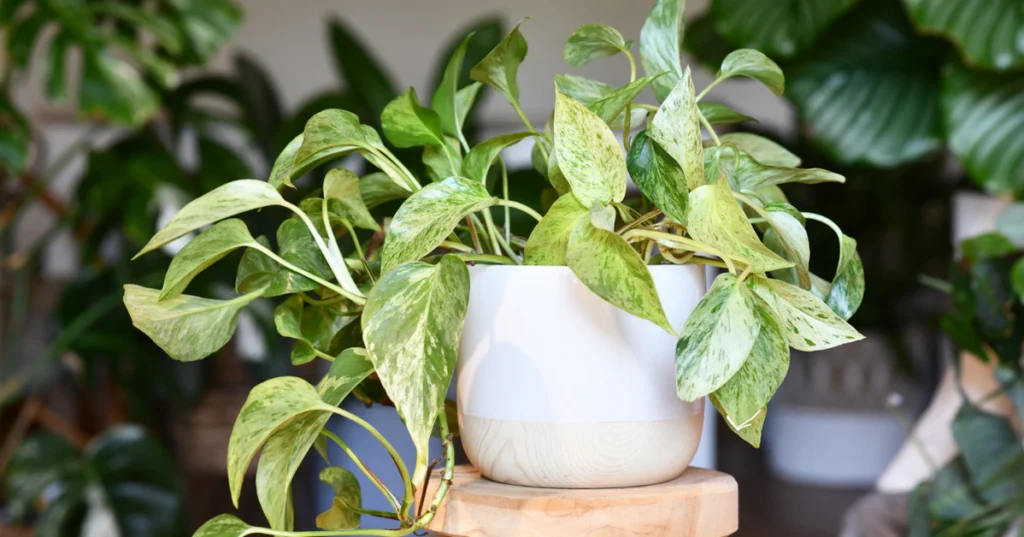
If you searched “money plant shedding leaves,” there’s a good chance you’re not even sure what plant you actually own. That’s not your fault.
In US nurseries, the name “money plant” gets slapped on at least three completely different plants. One is Pothos, also called Devil’s Ivy, a trailing vine with waxy, heart-shaped leaves. Another is the Chinese Money Plant, a small plant with round, coin-shaped leaves on an upright stem. The third is the Money Tree, which has a thick, often braided trunk with glossy leaves branching out at the top.
These three plants aren’t related to each other. They don’t grow the same way, and they definitely don’t share the same safety profile.
As for shedding, all three tend to drop leaves for similar reasons: overwatering, low light, or sudden temperature swings. A few lower leaves dropping slowly is usually just normal aging, the same rule from above applies here too.
Pet Safety: Know Which One You Have
This is the part that actually matters if you have pets.
- Pothos (Devil’s Ivy): Toxic to dogs, cats, and horses, according to the ASPCA. It contains calcium oxalates that cause oral pain, drooling, and vomiting if chewed or swallowed.
- Chinese Money Plant: Considered pet-friendly and non-toxic.
- Money Tree (Pachira): Also non-toxic to pets.
If you’re not sure which one is sitting on your shelf, look closely at the leaf shape. Vining with heart-shaped leaves usually means Pothos. Round, flat, coin-like leaves on an upright stem point to the Chinese Money Plant. A thick braided trunk means Money Tree. Getting this right matters a lot more than the shedding itself.
Ficus, Rubber Trees, and the “Moving Shock” Phenomenon
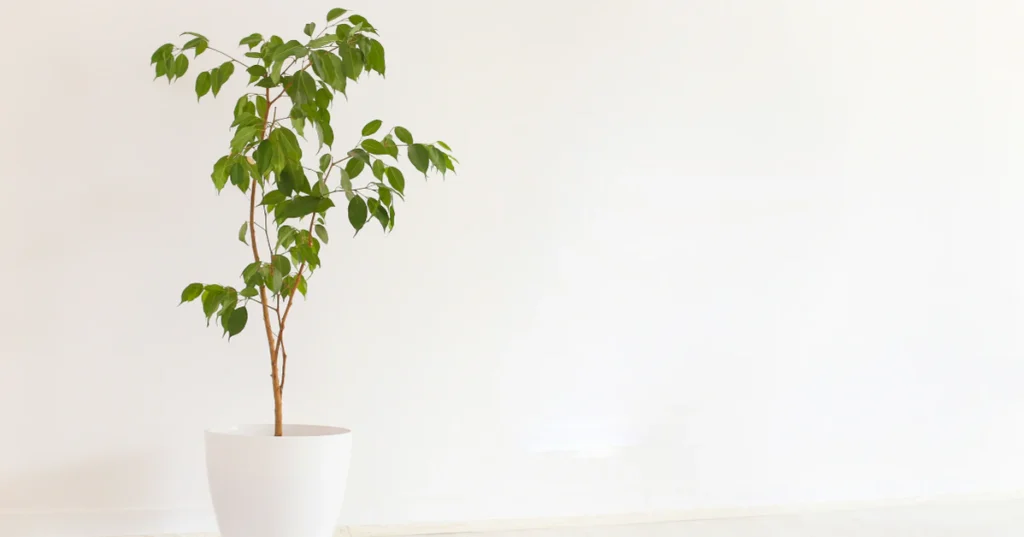
Bought a ficus tree last week and now it’s dropping leaves everywhere? Don’t return it just yet. This is one of the most well documented, most misunderstood reactions in the houseplant world.
Ficus trees, especially the weeping fig (Ficus benjamina), are famous for dropping a big chunk of their leaves right after a move. Oklahoma State University Extension confirms this is completely normal. The plant just went through a dramatic shift in light, humidity, and temperature, and it reacts by shedding the leaves that grew used to its old environment. New leaves suited to its current spot start growing in afterward.
Give it time. This adjustment period typically takes 4 to 6 weeks. If your ficus is otherwise green, firm, and growing new leaves during that window, it’s recovering, not dying.
A rubber plant (Ficus elastica) sheds for similar reasons. Not enough light is the most common cause, especially with lower leaves. Sudden temperature swings, like a draft from an open door or a cold windowsill, can also trigger a drop. Give it brighter, indirect light and keep it away from vents and drafty spots.
Pet Safety: Ficus Plants Are Toxic
Both Ficus elastica and Ficus benjamina are toxic to dogs, cats, and horses, according to the ASPCA. The sap contains a proteolytic enzyme called ficin and a compound called psoralen, which together cause irritation to the mouth, stomach, and skin. If a pet chews on the leaves or stems, watch for drooling, vomiting, or skin irritation from contact with the sap, and keep these plants out of paw’s reach.
Jade Plants and the “Healthy Leaf” Fall
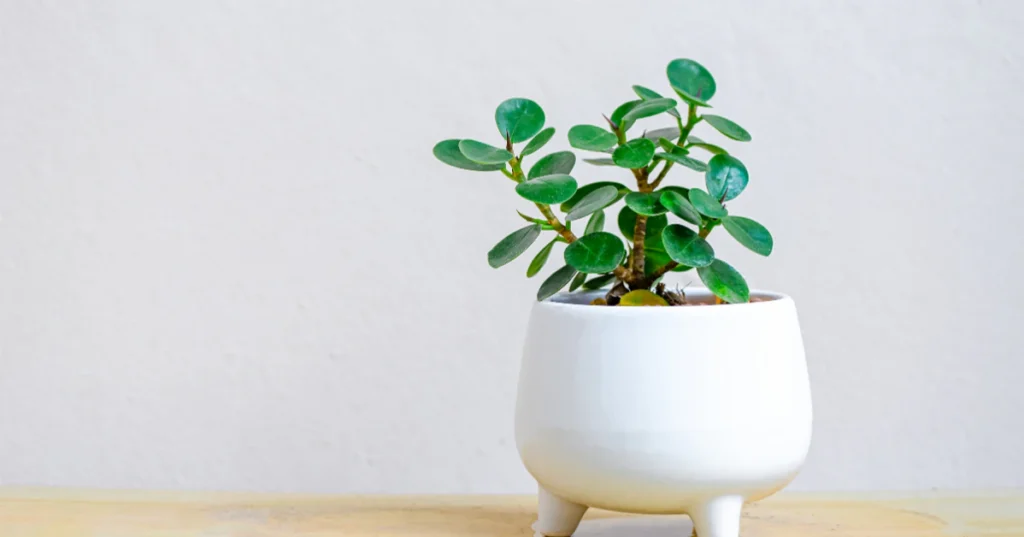
Plant forums are full of worried jade owners asking the same question: why is my jade dropping leaves that look completely fine? No spots, no yellowing, no damage, just green leaves falling off for no obvious reason.
Here’s the thing most people don’t expect. This usually isn’t disease at all. A jade plant dropping healthy, green leaves from its lower branches is often just telling you it’s outgrown its pot and wants to be repotted.
Jade Plant Shedding Leaves Treatment
Before you assume the worst, work through this short checklist:
- Check the soil. Is it bone dry and has been for a while? Extreme dryness can cause leaf drop in jade plants.
- Check for mushiness. Soft, dark, or rotting stems point to overwatering or root rot, not natural leaf loss.
- Check the roots. Gently slide the plant out of its pot. If roots are tightly circling the container with little soil left, it’s root-bound. This alone can cause lower leaves to drop as the plant redirects its energy.
If the plant is root-bound but otherwise firm and green, simply moving it to a slightly larger pot usually solves the problem.
A Note for Outdoor Jade Plants
Jade plants can live outdoors year-round only in warm, frost-free regions, generally USDA zones 10 to 11. In these zones, outdoor jades go through their own seasonal rhythms that look different from the steady, gradual leaf drop you’d see on an indoor plant. If you’re growing jade outdoors in a borderline zone, cold snaps are a more likely cause of sudden leaf loss than simple aging.
Pet Safety: Jade Plants Are Toxic
Jade plants are toxic to dogs, cats, and horses, according to the ASPCA. Watch for vomiting, depression, or incoordination if a pet chews on the leaves.
Umbrella Plants, Tulsi, and Bonsai: Stress & Invasiveness
Different plants, different triggers. Here’s what’s really going on with three more common houseplants that shed.
Umbrella Plants (Schefflera)
An umbrella plant shedding leaves is almost always reacting to its environment. Low light, overwatering, or a sudden cold draft are the usual suspects. Move it to brighter, indirect light and let the soil dry out a bit between waterings, and new growth should follow.
Invasive Species Flag: Don’t Plant This Outdoors in Florida
If you garden in Central or South Florida, there’s something more important to know than shedding. Schefflera actinophylla, the umbrella tree, is officially listed as invasive by UF/IFAS in these regions, meaning it spreads into natural areas and crowds out native plants. It’s still fine to grow as a houseplant anywhere, and it’s not currently considered a problem in North Florida. But if you’re in Central or South Florida, skip planting it in your outdoor landscape.
Pet Safety: Umbrella Plants Are Toxic
Schefflera is toxic to dogs and cats, according to the ASPCA. It can cause burning and irritation in the mouth, drooling, and vomiting.
Tulsi (Holy Basil)
Tulsi plant shedding leaves is most often a cold problem. Tulsi is a warm-weather, tropical plant, and it reacts badly to chilly temperatures or cold drafts. If your tulsi is dropping leaves as the weather cools, it’s likely stressed by the cold rather than sick. In most of the US, tulsi is best treated as a seasonal plant or moved indoors once temperatures drop.
Bonsai
A bonsai plant shedding leaves depends a lot on the species. Many bonsai are grown from trees that are naturally deciduous, so losing leaves in fall is simply the tree following its normal yearly cycle. For bonsai kept indoors year-round, low light is the more common cause of unexpected leaf drop.
Outdoor & Zone-Specific Shedders (Roses and Lemons)
With these two plants, your growing zone changes everything about what counts as normal.
Lemon Trees and the Zone 9-11 Rule
Lemon trees are only reliably grown outdoors year-round in USDA zones 9 through 11, according to NC State Extension. If you’re outside that range, your lemon tree is almost certainly a container plant that spends part of the year indoors, and that changes how you should read its leaf drop.
Some leaf loss during blossoming and fruit formation is completely normal for citrus trees. But if your lemon tree is losing leaves far beyond that, the cause usually comes down to one of these:
- Indoors (zones 8 and colder): Dry indoor air, salty soil buildup, or overwatering are the most common culprits.
- Outdoors (zones 9 to 11): High heat, strong wind, and nutrient deficiencies tend to be the bigger triggers.
So the same symptom, heavy leaf drop, points to a different fix depending on where your tree actually lives. A lemon tree wintering indoors in Ohio needs a very different response than one growing outdoors in Florida.
Roses: Disease or Just Dormancy?
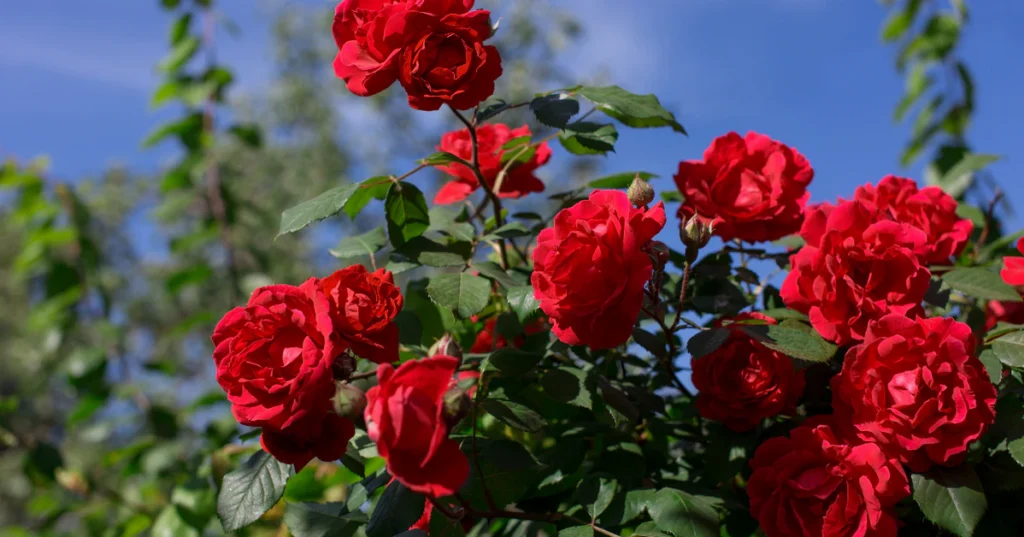
A rose plant shedding leaves in late fall is usually doing exactly what it’s supposed to do. Roses are deciduous, meaning they naturally drop their leaves and go dormant for winter. This is a normal, expected part of their yearly cycle, not a sign of trouble.
Black spot disease is a different story. It causes leaves to develop dark spots, turn yellow, and fall off, often well before the normal dormant season and sometimes throughout the growing season. If you’re seeing spotted leaves falling in summer, that’s disease, not dormancy.
Why You Should Clean Up Diseased Rose Leaves
Here’s a detail that matters more than most people realize. The fungus behind black spot survives winter by hiding in fallen, infected leaves and on infected canes. If you leave those leaves sitting under the bush, the fungus is right there waiting to reinfect your rose come spring.
Raking up and disposing of diseased leaves breaks that cycle. Healthy, normally-shed leaves from fall dormancy don’t carry this same risk and don’t need the same urgency.
Frequently Asked Questions
What is shedding in plants?
Shedding is the natural process called abscission. A plant grows a special layer of cells where a leaf meets the stem. When it’s time to let go, those cells seal off the leaf’s connection to water and nutrients, and the leaf falls. It’s a deliberate, controlled process, not random damage.
Is it normal for plants to shed leaves?
Yes. Nearly every plant sheds leaves on an ongoing basis as part of normal growth. Older, lower leaves fall gradually to make room for new growth and to help the plant save energy. This kind of steady, slow shedding is healthy and expected.
What happens if you don’t pick up fallen leaves?
For most healthy plants, leaving fallen leaves on the ground doesn’t cause harm. But with diseased plants, it’s a different story. Rose leaves infected with black spot are a good example. The fungus survives winter by hiding in those fallen leaves and on infected canes, then reinfects the plant come spring. Clearing away diseased leaves breaks that cycle. Leaves from normal, healthy shedding don’t carry this same risk.
How do plants know when to shed their leaves?
Hormones control the timing. A drop in the hormone auxin, paired with a rise in another hormone called ethylene, signals the cells in the abscission zone to weaken and release the leaf. Things like shorter days, cold temperatures, drought, or simple aging can trigger this hormonal shift.
In which month do they shed leaves?
It depends on the plant. Outdoor deciduous plants, like roses, typically shed in fall and early winter as they head into dormancy. Houseplants, on the other hand, tend to shed their oldest leaves gradually throughout the year as part of ongoing renewal, with no single fixed month.
Which plants do not shed their leaves? What plants keep their leaves all year?
True evergreens keep their leaves or needles year-round. Instead of dropping everything at once, they replace leaves gradually and continuously, so the plant always looks full and green. Pines, spruces, and junipers are common examples.
What tree looks like an evergreen but loses its leaves?
The bald cypress is the classic example. In summer, its soft green needles make it look like any other evergreen conifer. But every fall and winter, it drops every single needle, something true evergreens never do, which is why it’s called a “deciduous conifer.” Bald cypress is hardy in USDA zones 4 through 9, so it grows well across a wide stretch of the country before going fully bare each winter.
Conclusion
Most plant shedding comes down to a few simple patterns: natural aging, a reaction to light or temperature, a move to a new spot, or a plant that’s simply outgrown its pot. Once you know what’s normal for your specific plant, whether it’s a jade, a ficus, or a rose heading into winter, a few falling leaves stop feeling like an emergency. Keep an eye out for the real warning signs covered above, and when in doubt, check the soil, check the roots, and give your plant a little time before assuming the worst.