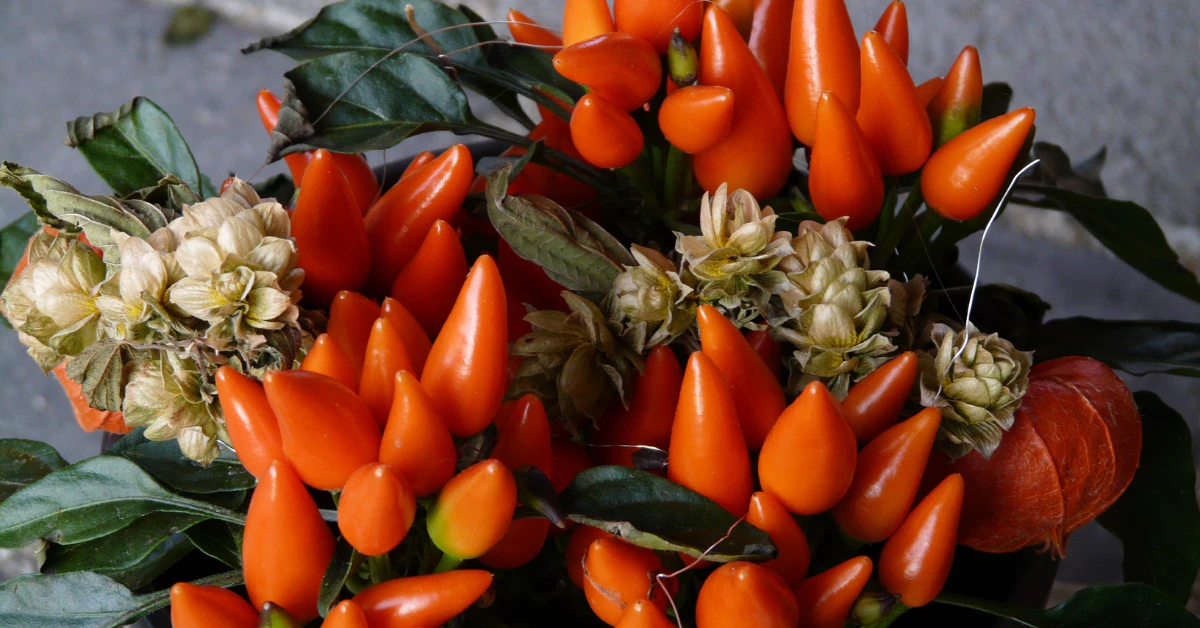
Yes. True ornamental peppers are edible and safe to eat. They belong to the species Capsicum annuum, the same group that gives us bell peppers and jalapeños, so they are not poisonous.
These plants are bred for their looks, not their taste. Growers focus on bright colors and neat, compact shapes rather than flavor.
Many varieties still pack real heat, sometimes more than you would expect from a “decorative” plant. So the fruit is safe, but you should taste with caution before you dig in.
The Big Mix-Up: Are Ornamental Peppers Poisonous to Dogs and Humans?

Here is where a lot of pet owners get scared for no reason. If you search “are ornamental peppers poisonous to dogs,” you will land on the ASPCA’s toxic plant list, which says “Ornamental Pepper” is toxic to dogs, cats, and horses.
That listing is real. But it is not talking about the plant on your patio.
The ASPCA’s toxic “Ornamental Pepper” is actually a plant called Solanum pseudocapsicum. Its common names are Jerusalem Cherry, Natal Cherry, or Winter Cherry. It just happens to share the nickname “ornamental pepper,” even though it is not a pepper at all. It belongs to a totally different plant group, called Solanum, not Capsicum.
True ornamental peppers, the ones sold as Capsicum annuum, are not part of that toxic listing. Pepper growers who know their plants confirm this: anything in the Capsicum genus is a real chili pepper, and real chili peppers are not toxic.
So how do you tell which one you have? Use this quick check.
| Feature | True Ornamental Pepper (Safe) | Jerusalem Cherry (Toxic) |
| Scientific name | Capsicum annuum | Solanum pseudocapsicum |
| Fruit shape | Small peppers, often pointed or oblong | Round berries, look like tiny cherry tomatoes |
| Fruit location | Clustered at the ends of stems | Scattered among the leaves |
| Plant tag | Says “Capsicum” or “pepper” | May say “Jerusalem Cherry,” “Natal Cherry,” or “Winter Cherry” |
| Safe for pets? | Yes | No, toxic to dogs, cats, and horses |
If the tag on your plant says Capsicum, you can relax. If it says Solanum, or if you are not sure at all, it is best to keep it away from pets and kids and check with your vet or a garden center before assuming it is safe.
When in doubt, look at the plant tag or ask the store where you bought it. That one word, Capsicum or Solanum, makes all the difference.
Eating Ornamental Peppers: Flavor, Pesticide Risks, and Leaf Edibility
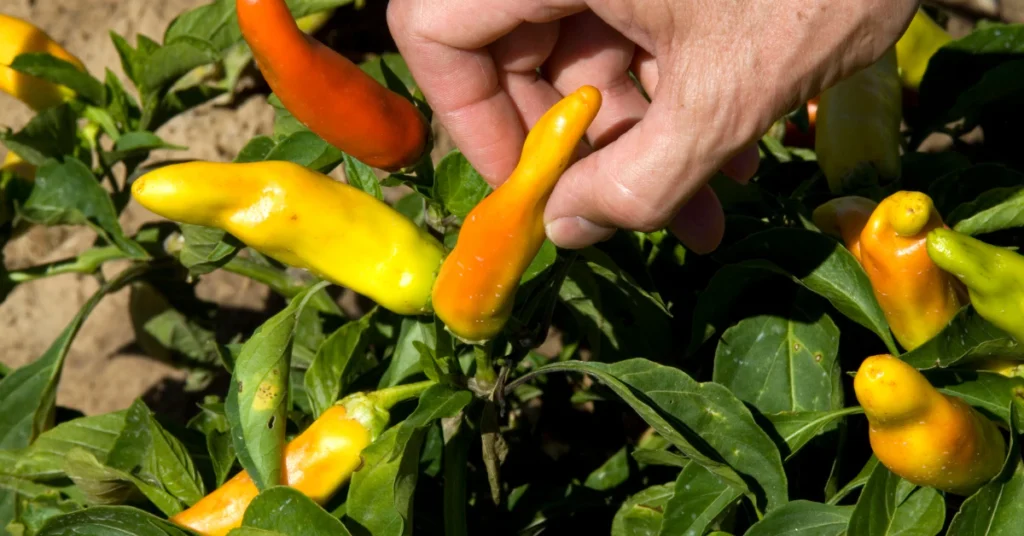
Now for the honest truth about taste. Since ornamental peppers are bred to look pretty and stay small, flavor was never the main goal. Most gardeners describe the taste as grassy or bitter, not the rich flavor you get from a pepper grown for the kitchen.
Before you eat any fruit off your plant, there is a bigger issue to think about than taste. If you bought your plant from a nursery or garden center, it may have been treated with pesticides. Some of these chemicals are made for ornamental plants only. They are not approved for food crops, and eating treated fruit is not safe. One well known gardening columnist puts it simply: if you have not sprayed the plant yourself and do not know its history, do not eat it, no matter how tempting the fruit looks. You can read more on this caution from Walter Reeves’ gardening column.
If you grew your plant from seed at home and skipped the sprays, you are in a much safer spot to sample the fruit.
What about the leaves? In some cuisines, people do cook and eat regular pepper leaves. But when it comes to ornamental pepper varieties specifically, this is less clear. Gardeners and forums still go back and forth on how much solanine, a natural plant compound, shows up in ornamental leaves compared to standard culinary peppers. Since there is no clear answer yet, it is smart to stick to the fruit and skip the leaves for now.
Ornamental Peppers Scoville Chart: Are Ornamental Peppers Spicy?
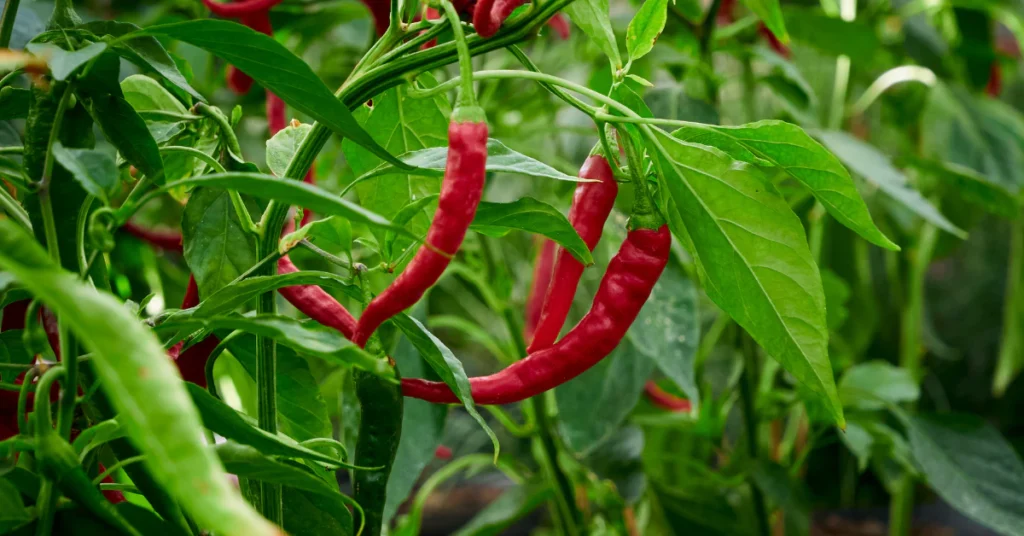
Not all ornamental peppers bring the heat. This is one of the biggest surprises for new growers. Some varieties are mild enough for a sensitive tongue, while others can make your eyes water.
Heat is measured in Scoville Heat Units, or SHU. The higher the number, the hotter the pepper. Here is how some popular ornamental varieties stack up.
| Variety | Scoville Heat Units (SHU) | How It Compares |
| Sedona Sun | 0 to 1,000 | Milder than or close to a banana pepper |
| Explosive Ember | About 3,000 | Roughly jalapeño range |
| Black Pearl | 10,000 to 30,000 | Several times hotter than a jalapeño |
| Firework | 30,000 to 70,000 | Well into serious hot pepper territory |
For reference, a jalapeño usually sits between 2,500 and 8,000 SHU. That means Sedona Sun is a gentle choice you could nibble without much worry, while Firework packs enough heat to catch even experienced chili fans off guard.
This wide range is exactly why you cannot judge an ornamental pepper by its looks. Two plants can sit side by side, both covered in colorful little pods, and one could be nearly heatless while the other burns.
If you plan to taste any fruit from your plant, start small. Take a tiny bite first, especially if you do not know the exact variety. There is no way to guess the heat just by color or size, so a little caution goes a long way before you commit to a full bite.
Ornamental Peppers Care: Annual or Perennial?
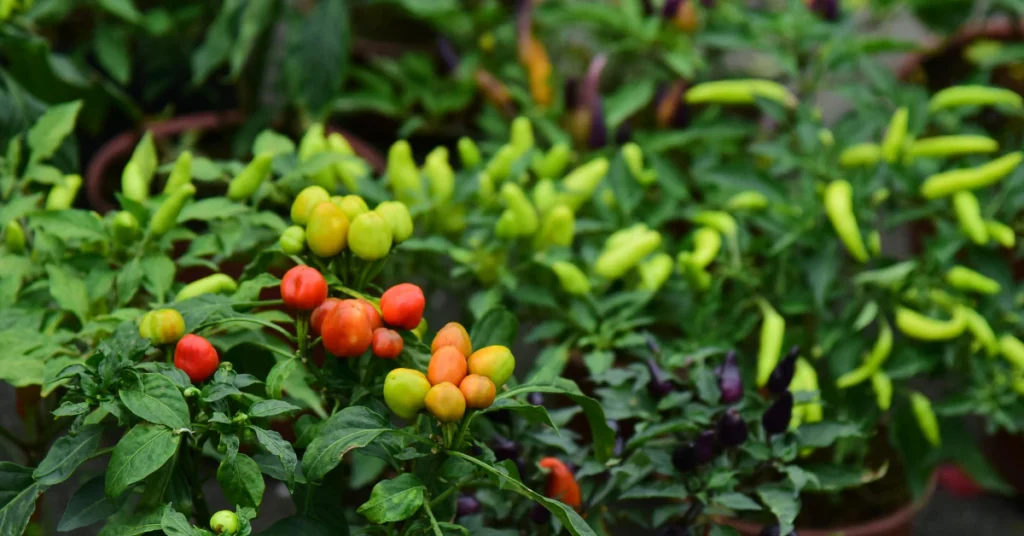
Will your ornamental pepper come back next year? The answer depends almost entirely on where you live.
According to University of Florida IFAS Extension, ornamental peppers are tender perennials only in USDA hardiness zones 9b, 10, and 11. These zones cover warm areas like southern Florida, the Gulf Coast, southern Texas, and parts of southern California and Arizona. If you garden anywhere in that range, your plant has a real shot at surviving winter and returning on its own.
Everywhere else, treat it as an annual. The first hard frost will kill it, so most gardeners outside those warm zones simply enjoy it for one season and replant the next spring.
Planting time also shifts depending on your zone. Here is a quick breakdown.
| USDA Zone | Best Planting Months |
| Zone 7 | June, July |
| Zone 8 | May, June |
| Zone 9 | March, April, May, September, October |
| Zones 10 and 11 | February through May, and October through December |
If you are not sure which zone you live in, your local extension office or the USDA hardiness zone map can tell you in seconds.
As for day to day care, ornamental peppers are not fussy. They want full sun, so pick a spot that gets plenty of direct light through the day. Soil should drain well. Standing water around the roots can cause problems fast.
Expect a mature height of about 10 to 20 inches, with a similar spread. That makes them a nice fit for containers, garden beds, or as a border plant along a walkway or patio.
Watering needs are moderate. Let the top of the soil dry out a bit between waterings, but do not let the plant sit bone dry for long stretches, especially during hot summer weeks.
Whether you are growing one season or hoping for a few years out of it, the basic formula stays the same: sun, drainage, and a bit of attention to your zone’s timing.
Frequently Asked Questions
How hot is an ornamental pepper?
It depends completely on the variety. Some, like Sedona Sun, land at just 0 to 1,000 Scoville Heat Units, milder than a jalapeño. Others, like Firework, can reach 30,000 to 70,000 SHU, which is seriously hot.
What can I do with ornamental peppers?
Most people grow them for looks, using them as border plants, in mixed containers, or as a colorful accent on a patio. Since they belong to the same species as culinary peppers, you can also eat the fruit, though the flavor tends to be grassy or bitter compared to peppers grown for cooking.
What kind of pepper is an ornamental pepper?
A true ornamental pepper belongs to the species Capsicum annuum, the same species that gives us jalapeños, bell peppers, and many other familiar peppers. It has simply been bred for compact size and bright, showy fruit instead of flavor.
Can you eat Sedona Sun ornamental peppers?
Yes. Sedona Sun is a Capsicum annuum variety, which makes it edible. It also happens to be one of the milder ornamental peppers you can grow, so it is a good pick if you want to taste your harvest without much heat.
Can you eat peppers off of an ornamental pepper plant?
Yes, as long as the plant is a true Capsicum annuum variety and not a mislabeled Jerusalem Cherry. Just be sure the plant has not been treated with pesticides not meant for food crops before trying any fruit.
What are Sedona Sun Peppers?
Sedona Sun is an ornamental pepper variety known for its small, cone shaped fruit that changes color as it ripens. Pods start out purple, then shift through yellow and orange, and finally settle on red. With a Scoville range of just 0 to 1,000 SHU, it stays mild throughout that whole color show, making it a favorite for gardeners who want striking looks without a spicy surprise.
Conclusion
Ornamental peppers are safe, colorful, and a lot more useful than most people realize. True Capsicum annuum varieties are edible, not poisonous, and simply bred to look their best rather than taste their best.
The real danger comes from a case of mistaken identity. Solanum pseudocapsicum, better known as Jerusalem Cherry, shares the “ornamental pepper” nickname but is a completely different, toxic plant. Checking your plant tag is the easiest way to stay safe for both pets and people.
Beyond that, a little common sense goes a long way. Skip fruit from plants you did not grow yourself unless you know their pesticide history, start with small tastes since heat varies wildly by variety, and match your care routine to your USDA zone if you want a shot at a perennial. With that in mind, you can enjoy these little pops of color on your patio with confidence.