Growing roses from seed is simple in theory. Let the rose hips ripen fully on the bush, then clean the seeds out. Place them in cold, moist storage for 10 to 16 weeks, a step called stratification. Once that’s done, sow the seeds in soil and wait for them to sprout.
That’s the whole process in one breath. But the real story has more texture to it.
Rose seeds move at their own pace. Some sprout in weeks. Others take months, and a few never sprout at all. That’s not a sign you did something wrong. It’s just how rose seeds work.
This guide walks you through the full process step by step. You’ll learn when to plant based on your growing zone, how to avoid common mistakes, and what to do when nothing seems to happen. Patience is part of the deal here, but so is a real payoff.
Can You Really Grow Roses From Seed? (Expectations & Reality)
Yes, you can grow roses from seed. But there’s a catch worth knowing before you start.
If your seeds came from a hybrid tea rose, like most roses sold at garden centers, the new plant won’t look exactly like the parent. Hybrid roses don’t “breed true.” The seedling might have a different flower color, shape, or growth habit entirely. It’s a bit like a surprise.
Wild roses and species roses are different. These grow much closer to their parent plant, since they haven’t been cross-bred the way modern hybrids have. According to New Mexico State University Extension, this is simply how rose genetics work. If you want a plant that closely matches what you started with, species roses are your best bet.
Now, here’s the part that trips up a lot of beginners: only about 20 to 30 percent of rose seeds typically sprout, even when everything is done correctly.
That means if you plant 10 seeds, it’s completely normal for 7 or 8 of them to never sprout. This isn’t a sign you made a mistake. It’s just the natural biology of rose seeds. Many seeds inside a single rose hip are simply not viable, no matter how carefully you handle them.
So if your tray looks mostly empty after a few months, don’t assume you failed. Plant more seeds than you think you’ll need, and treat every sprout as a little win.
Harvesting and Preparing Rose Hips
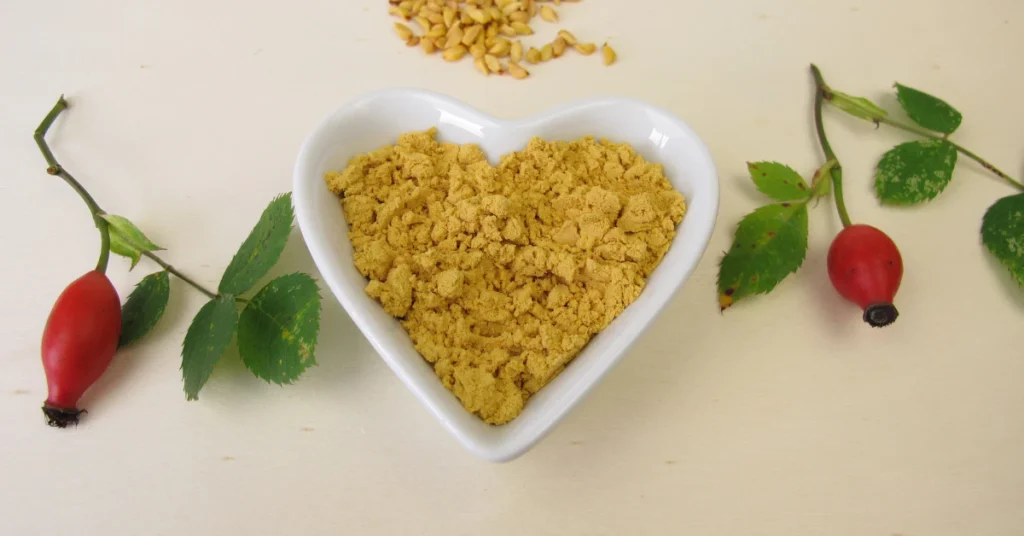
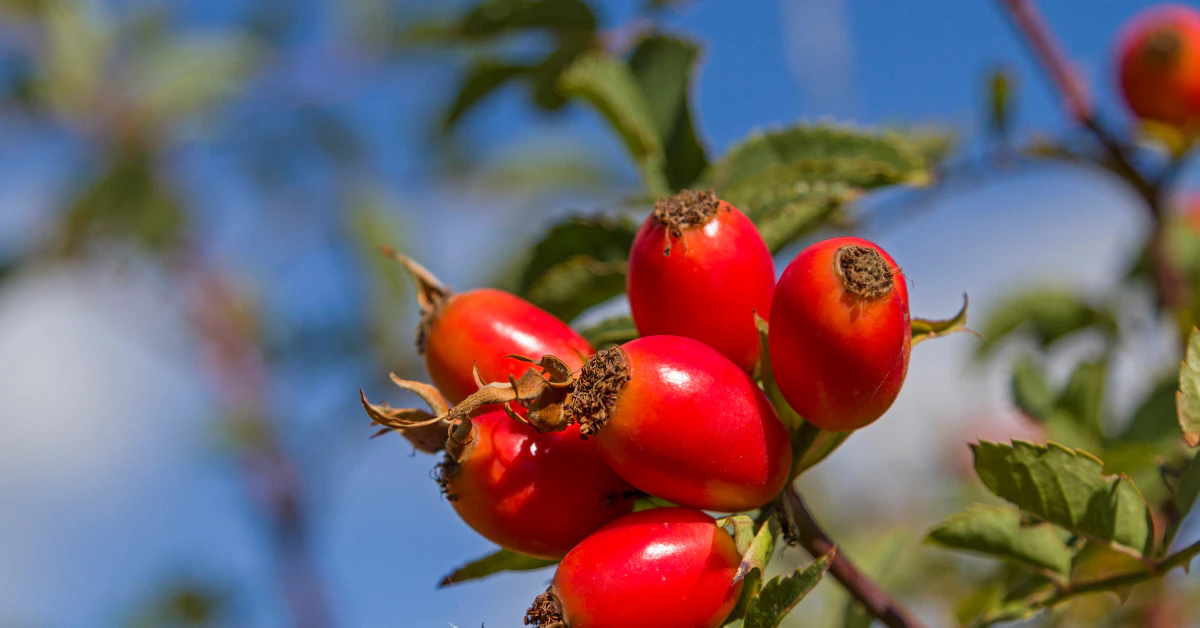
Rose seeds live inside rose hips, the small fruit that forms after a rose flower fades. Before you can get to the seeds, you need to wait for the hips to ripen fully on the bush.
A ripe hip changes color. Watch for the skin to shift from green to red, orange, or sometimes yellow. According to the University of Alaska Fairbanks Georgeson Botanical Garden, you should harvest hips right as this color change begins, before the pulp inside turns soft. Waiting too long can lower seed quality, so check your bushes regularly once you see the color starting to turn.
Once you’ve picked your hips, it’s time to get the seeds out.
Cut each hip open with a sharp knife or pruners. Inside, you’ll find small seeds surrounded by soft, fleshy pulp. Scoop or dig the seeds out carefully.
Next, clean the seeds thoroughly. Any leftover pulp can encourage mold during the next stage, so rinse the seeds well under cool water. A fine strainer makes this easier, especially if you’re working with several hips at once. Gently rub the seeds between your fingers as you rinse to loosen any clinging bits.
Once the seeds look clean, pat them dry or let them air dry briefly on a paper towel. Don’t let them dry out completely or sit for too long unprotected. You’ll want them ready to move into cold storage soon, which is the next step in getting them to sprout.
The Cold Stratification Process (Breaking Seed Dormancy)
Rose seeds come with a built-in safety switch. In nature, this keeps them from sprouting in the fall, right before winter would kill off any tender new growth. To get past that switch, you need to trick the seed into thinking it has already lived through winter. This process is called stratification.
Here’s what’s actually happening inside the seed. During a long cold spell, the seed slowly builds up a plant hormone called gibberellin. According to New Mexico State University Extension, this hormone is what tells the seed it’s safe to wake up and grow. Without enough of it, the seed just stays asleep, no matter how much water or warmth you give it.
The Standard Method
The most common home method is simple:
- Place your cleaned seeds in a damp paper towel, sand, or peat moss.
- Seal them in a plastic bag or container.
- Put the container in your refrigerator.
- Keep the temperature between 33°F and 41°F.
- Leave them there for 10 to 16 weeks.
Check the bag every couple of weeks to make sure the medium stays moist, not soggy. If it dries out, mist it lightly with water.
When the Standard Timeline Doesn’t Work
Here’s something most guides don’t tell you. Rose seed dormancy isn’t the same for every seed, even seeds from the same bush.
Gardeners in online growing forums have reported something interesting. Several have shared stories of rose seeds that sat forgotten in the back of a refrigerator for 10 months or more, far longer than the usual 10 to 16 week window. When they finally checked, some of those seeds had sprouted anyway, after everything in that batch had seemingly failed on the normal schedule.
This tells us something useful. Individual seeds inside the same hip can have very different internal clocks. One seed might be ready at 10 weeks. Another from the exact same hip might need several months longer.
So if your seeds haven’t sprouted after the standard stratification period, don’t toss them out right away. Leaving them in the cold a bit longer sometimes works, even well past the usual timeline. Patience, it turns out, is part of the biology here, not just good advice.
Sowing the Seeds: Timing, Depth, and Zone Variations
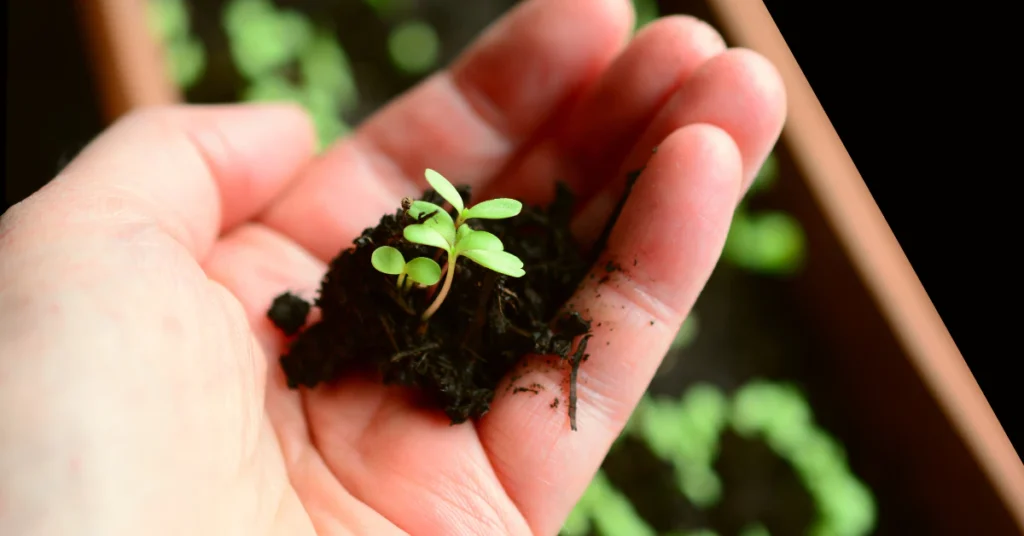
Once your seeds have finished their cold stratification, it’s time to get them into soil.
How deep to plant rose seeds
Plant each seed about ¼ inch deep in a seed-starting mix. Don’t bury them any deeper than that. Rose seeds are small, and planting too deep can make it harder for the seedling to push through the soil.
Space the seeds out a bit so the roots have room to spread as they grow. A shallow tray or small pots both work fine.
When to sow, based on where you live
This is where location matters a lot, and it’s a detail many guides skip entirely. Your USDA growing zone affects when it’s safe to move stratified seeds into soil outdoors.
The table below is adapted from bare-root rose planting windows, since specific seed-sowing data by zone is limited. Use it as a solid starting estimate, not a fixed rule.
| USDA Zone | Estimated Sowing Window |
| Zones 9-10 | January to February |
| Zones 7-8 | February to March |
| Zones 6 | March |
| Zones 4-5 | April |
| Zone 3 | Mid-April to May |
If you garden in a warmer zone, you can get started much earlier in the year. If you’re in a colder zone, you’ll need to wait longer for the ground and air to warm up enough for tender seedlings to survive outside.
Not sure which zone you’re in? You can look it up using the USDA Plant Hardiness Zone Map.
A simpler option for cold climates
If you live somewhere with a reliably cold winter, you don’t have to stratify seeds in the fridge at all. You can sow them directly outdoors in the fall, in a pot or a protected bed. Winter will do the stratifying for you naturally, and the seeds will typically sprout the following spring once the soil warms up.
This method takes less hands-on work, but it does mean trusting nature’s timeline instead of your own refrigerator schedule.
The Rose Seed Germination Process & Seedling Care
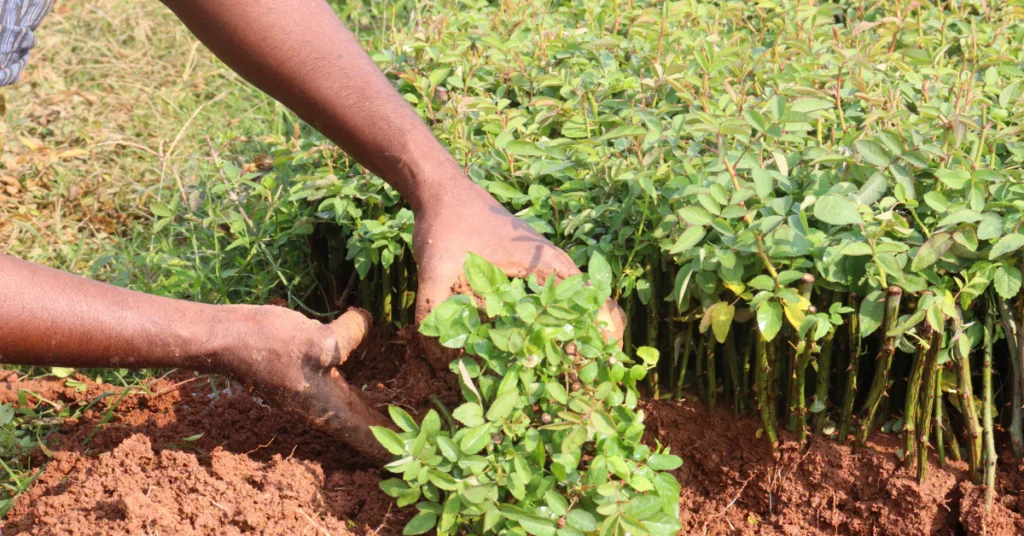
Once your seeds are out of the fridge and tucked into soil, the waiting game shifts into a new phase.
What to expect, week by week
Move your tray or pots to a warm spot, somewhere between 60°F and 85°F. A sunny windowsill works, or you can use a grow light if natural light is limited. According to University of Florida IFAS data, germination at this temperature range typically takes 2 to 3 weeks, though some seeds may take a bit longer.
Keep the soil moist, but not soggy. Check it every day or two, especially in a warm room where it can dry out fast.
Some seeds will sprout within a couple of weeks. Others may take a month or more. Don’t give up on a tray just because nothing has happened after two weeks. Rose seeds don’t all wake up on the same schedule, even under ideal conditions.
Caring for new seedlings
Once a seedling pokes through the soil, it needs a bit of extra attention to stay healthy.
- Light: Give seedlings plenty of bright light. Low light can make them weak and leggy.
- Water: Keep the soil evenly moist. Avoid letting it dry out completely, but don’t let the seedlings sit in standing water either.
- Warmth: Keep them in a warm spot away from cold drafts, especially if you’re starting them indoors.
- Space: Once a seedling has a few true leaves, you can transplant it into its own small pot if it’s crowded in with others.
Go slow with these young plants. Their roots are still delicate, so handle them gently when moving or repotting. With steady warmth, light, and water, the seedlings that make it this far have already cleared the hardest part of the process.
The Law and The Myths: Patents and Home Remedies
A lot of gardeners worry about breaking the law when they start roses from seed. Good news: in most cases, you’re in the clear.
The patent question, explained
US plant patents (under 35 U.S.C. §161) only protect one specific thing: asexual reproduction. That means cuttings, grafting, budding, and similar methods that create an exact genetic copy of the original plant.
Seeds are different. Growing a rose from seed is sexual reproduction, and the resulting plant is genetically its own thing, not an identical copy of the parent. Because of this, courts have generally held that seed-grown roses fall outside the scope of plant patent protection.
So if a patented rose dropped hips in your yard and you want to grow those seeds, you’re typically not infringing on anything. The restriction kicks in when someone takes a cutting or graft from a patented rose and propagates it asexually without permission from the patent holder. That’s the part that gets nurseries into legal trouble, not seed growing.
If you’re ever unsure about a specific variety, it’s worth checking the plant tag for a patent number before taking cuttings.
Busting two popular seed-starting myths
A lot of home remedies get passed around in gardening circles. Two of the most common ones don’t hold up for seed starting.
Cinnamon as a rooting hormone. This one’s a myth. Cinnamon doesn’t contain the plant compounds (called auxins) that actually trigger root growth. Some lab studies show cinnamon has mild fungus-fighting properties under controlled conditions, but there’s no solid research showing it helps with home rose seed starting specifically. Skip it for this step.
Baking soda for seed starting. Baking soda does have real research behind it, but not for seeds. Research from Cornell University found that baking soda mixed with horticultural oil can help control black spot and powdery mildew on established, growing rose plants. That’s a disease treatment, not a seed-starting trick. Using it on seeds or seedlings won’t speed up germination and isn’t something the research supports.
Save these treatments for later, once your roses are grown and dealing with leaf disease, not during the seed-starting stage.
Toxicity, Pet Safety, and Ecological Warnings
If you have pets, here’s some reassuring news. True garden roses (Rosa species) are non-toxic to dogs, cats, and horses, according to the ASPCA’s official plant list. A curious dog nibbling a fallen petal or a cat batting at a rose hip isn’t facing plant poisoning. Thorns can still cause a painful scratch, so some caution around the bush is still smart.
Here’s the catch, though. Not every plant with “rose” in its name is actually a true rose. The Christmas Rose, also called Lenten Rose or Easter Rose (botanically Helleborus niger), is a completely different plant family. It IS toxic to dogs, cats, and horses. So before you relax about any “rose” in your yard, make sure it’s actually a Rosa species and not a lookalike with a similar name.
One more thing worth knowing. Some true species roses can spread aggressively through self-seeding and are considered invasive in certain US states. If you’re planting species roses outdoors, it’s worth checking your state’s extension office or invasive species list before letting hips drop and spread on their own.
Frequently Asked Questions
Can you really grow roses from seeds?
Yes. Species roses and many wild roses grow true from seed. Hybrid tea roses won’t match their parent plant exactly, so expect some surprises with hybrids.
What month to plant rose seeds?
It depends on your USDA growing zone. Warmer zones (9 to 10) can sow as early as January or February. Colder zones (4 to 5) usually need to wait until April. Zone 3 often needs to wait until mid-April or May.
How long does a rose take to grow from seed?
Plan for 10 to 16 weeks of cold stratification first. After that, germination usually takes 2 to 6 weeks once seeds are warm and in soil. From there, it can take many more months before you see a flower.
Can you root roses in just water?
This depends on what you’re starting with. Rose seeds don’t root in water at all. They need to go through cold stratification and then be sown in soil.
Rose cuttings are a different story. You can root a cutting in water, but Iowa State University Extension confirms that rooting in soil or a potting medium is more reliable than water alone.
Why is it illegal to propagate roses?
It’s only restricted in one specific case. US plant patents protect against asexual propagation, meaning cuttings, grafting, or budding taken from a patented rose without permission. Growing from seed is sexual reproduction, so it generally falls outside this patent rule.
Is Dawn dish soap safe for roses?
Not really. Dawn and similar dish soaps are detergents, not true soaps. Iowa State University Extension notes they’re a poor substitute for insecticidal soap and more likely to damage plant leaves.
As for homemade fertilizer, that’s a question for established, growing roses, not seeds or seedlings. Seedlings don’t need fertilizer until they’re well rooted and actively growing.
Conclusion
Growing roses from seed takes real patience. Between weeks of cold stratification and the slow wait for sprouts, this isn’t a fast process. But for home gardeners willing to stick with it, the payoff is worth it.
Low germination rates aren’t failure. They’re just how rose seeds work. Trust the process, give your seeds the time they need, and don’t be discouraged by empty trays along the way.
Every seedling that makes it through is a little surprise, especially with hybrid roses. That unpredictability is part of what makes growing roses from seed so rewarding.