A tree with red berries is most often American Holly, Winterberry, Hawthorn, Crabapple, Mountain Ash (also called Rowan), or Dogwood. Berry color alone never tells you if a plant is safe or dangerous. Some of these berries are edible. Others are toxic to people or pets. You need to know the exact species before you decide anything.
If a child or dog just put a berry in their mouth, stay calm and act fast. Do not try to guess the plant type from memory. Instead, take clear photos of the leaves, the bark, and the berry cluster right now, before anyone touches the plant again. Then call Poison Control at 1-800-222-1222 for a person, or the ASPCA Animal Poison Control Center at (888) 426-4435 for a pet. Give them the photos and any details you have. This is faster and safer than searching online for an answer.
How to Identify Your Red-Berry Tree (Why Berry Color Alone Isn’t Enough)
A photo of red berries is rarely enough to name a plant. On gardening forums, experienced moderators will not guess a species, let alone its safety, from fruit alone. One moderator on the UBC Botanical Garden forum put it plainly: without a photo of the leaves, fruit, and bark together, a guess about edibility would be irresponsible. Even closely related plants can look almost identical once the berries show up. The Native Plant Trust has fielded questions where telling two winterberry species apart (Ilex verticillata and Ilex laevigata) came down to checking for tiny hairs on the fruit’s sepal, the small leaf-like part where the berry meets the stem.
That is why a real identification needs more than color.
Check these four things before you guess:
- Leaves. Are they arranged opposite each other or staggered (alternate)? Are the edges smooth, toothed, or lobed?
- Thorns. Does the branch have sharp spines, or is it smooth?
- Berry pattern. Do berries grow alone, in flat-topped clusters, or packed tightly along the stem?
- Bark. Is it smooth and gray, scaly, or peeling?
The season also narrows things down fast.
| Season | Common red-berry trees |
| Summer | Serviceberry, chokecherry, early cherries |
| Fall | Flowering dogwood, kousa dogwood, mountain ash, hawthorn |
| Winter | American holly, winterberry, crabapple, pyracantha (holds fruit on bare branches) |
Winter berries tend to be the easiest to narrow down, since far fewer plants hold their fruit once the leaves are gone.
Toxicity, Pet Safety & Invasive Species Warning (Read Before Foraging)
Before looking at specific trees, you need to clear up two common myths.
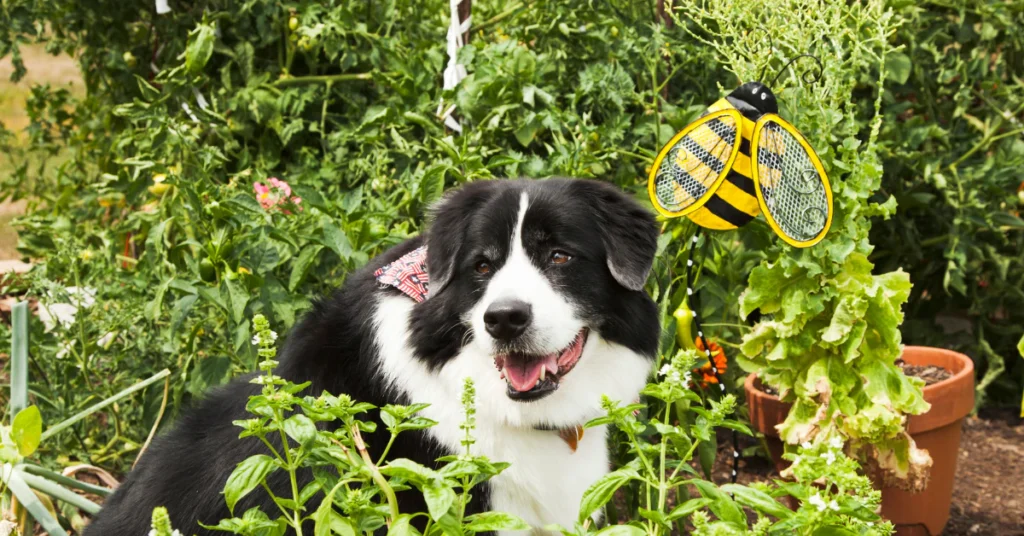
Myth 1: If birds eat it, it’s safe for people and pets. This is false. Birds can safely eat holly and winterberry fruit all winter long. Dogs, cats, and children cannot. Birds and mammals digest plant compounds differently, so a berry that’s harmless to a cardinal can still upset a dog’s stomach.
Myth 2: Bright red always means deadly poison. Also false. Pyracantha, also called firethorn, has some of the most fiery red berries you’ll see in a yard, and it looks like it should be dangerous. But the National Poison Control Center has found no proof that pyracantha berries are toxic to humans or animals. Eating a large amount might cause mild stomach upset, nothing more. Compare that to buckthorn below, which is genuinely risky.
So when it comes to a tree with red berries edible question, the honest answer is: it depends entirely on the species, not the color.
Pet Safety Warning
The ASPCA lists both holly and winterberry as toxic to dogs, cats, and horses. The toxic compounds are called saponins, a type of natural chemical that irritates the digestive system. Signs include vomiting, diarrhea, drooling, and tiredness. The ASPCA rates this as low toxicity, but it still means a trip to the vet if your pet eats a large amount.
Invasive Species Alert: Do Not Plant Buckthorn
Common buckthorn (Rhamnus cathartica) is toxic to humans and other mammals, often causing stomach pain and a strong laxative effect. It’s also a seriously invasive plant across the Upper Midwest, where it crowds out native trees and shrubs. The Minnesota Department of Agriculture lists it as a restricted, noxious weed. If you find it growing on your property, the goal is removal, not identification for your garden plans.
Common Trees and Shrubs With Red Berries (Species-by-Species ID Guide)
Here’s a quick comparison before the full breakdown.
| Tree | USDA Zones | Leaf/Thorn Cue | Edible for Humans? | Safe for Pets? |
| American Holly | 5B–9 | Spiny, evergreen leaves | No | No |
| Winterberry | 4A–8B | Deciduous, bare branches in winter | No | No |
| Washington Hawthorn | 3–8 | Lobed leaves, long thorns | Yes (cooked or fresh “haws”) | Use caution |
| Pyracantha (firethorn) | 6–9 (zone 5 with hardy cultivars) | Narrow evergreen leaves, thorns | Not proven toxic | Not proven toxic |
| Flowering Dogwood | 5–9A | Smooth oval leaves, no thorns | No | No |
| Kousa Dogwood | 5–8 | Smooth oval leaves, no thorns | Yes | Generally fine |
| Crabapple | 3–9 (varies by cultivar) | Round pomes with a dried blossom end | Yes, tart | Flesh yes, avoid seeds |
| Mountain Ash / Rowan | 3–6 | Feather-shaped compound leaves | Yes, only when cooked | Use caution |
American Holly and Winterberry
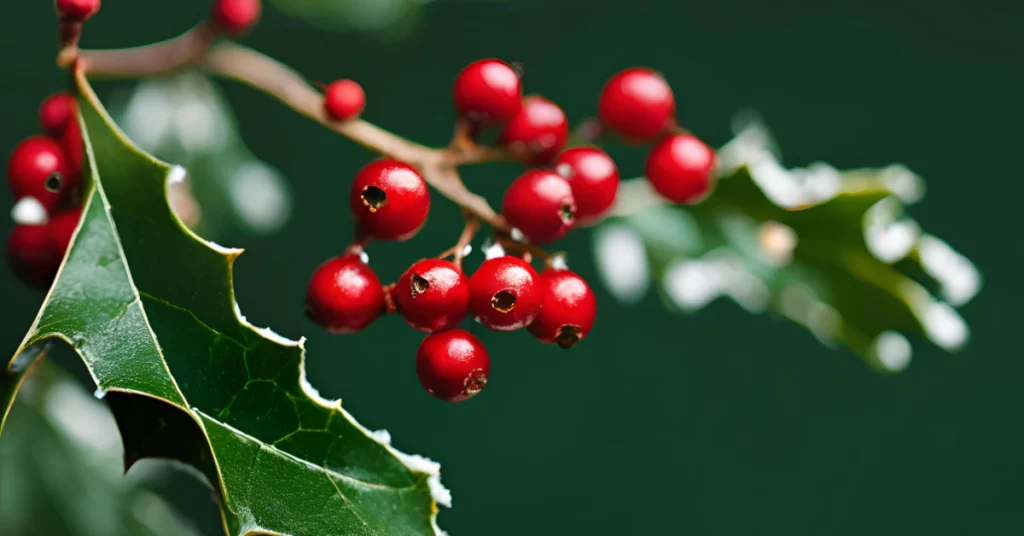
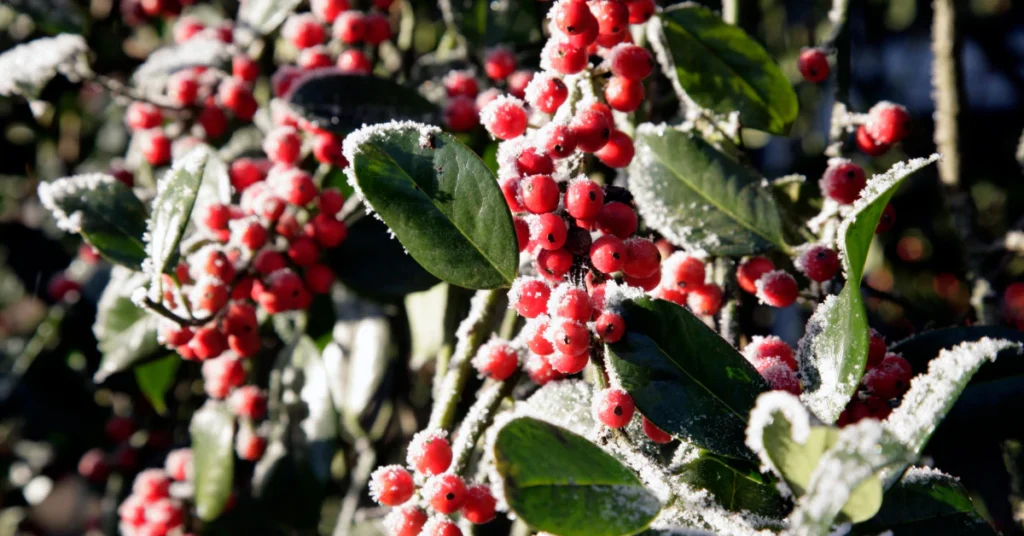
American Holly (Ilex opaca) grows in USDA zones 5B through 9. Its leaves are stiff, glossy, and lined with sharp points, the classic holiday look. Winterberry (Ilex verticillata) grows in zones 4A through 8B and looks very different. It drops its leaves completely in fall, leaving bare branches packed with bright red berries that stand out against the snow.
Both plants belong to the same family, and both carry the same warning. The ASPCA lists holly and winterberry as toxic to dogs, cats, and horses. The toxic compound is a saponin, a natural chemical that irritates the stomach and causes vomiting, diarrhea, and tiredness. Keep both berries away from pets and small children.
Washington Hawthorn and Pyracantha
If you’re trying to identify a tree with red berries and thorns, these two are the most common matches.
Washington Hawthorn (Crataegus phaenopyrum) grows in USDA zones 3 through 8. It has lobed leaves shaped a bit like maple leaves, and long, slender thorns up to a few inches long. The small red fruits are called haws, and they’re edible, often used in jams and jellies.
Pyracantha, also called firethorn, grows in USDA zones 6 through 9, with some tougher varieties surviving in zone 5. Its leaves are narrower and stay on the plant through winter in milder climates. It also has sharp thorns, which is where the “fire” and “thorn” in its name come from. As covered earlier, Poison Control has found no proof that pyracantha berries are toxic to people or pets, even though the bright color makes people assume the worst.
The easiest way to tell them apart: hawthorn leaves have lobes and teeth, while pyracantha leaves are smooth and narrow.
Flowering Dogwood vs. Kousa Dogwood
These two often get confused, but one is safe to eat and the other is not.
Flowering Dogwood (Cornus florida) grows in USDA zones 5 through 9A. Its berries are smooth, glossy, and shaped like tiny footballs. They are poisonous to humans, though not severely dangerous, and birds eat them without any trouble.
Kousa Dogwood (Cornus kousa) grows in USDA zones 5 through 8. Its fruit looks completely different: round, pink-red, and covered in small bumps, which is exactly why people searching for a tree with red berries that look like raspberries usually mean this tree. Unlike its cousin, kousa dogwood fruit is genuinely edible, with a soft, sweet pulp inside.
Crabapple
Crabapple (Malus species) covers a huge range of USDA zones, from 3 all the way to 9, depending on the exact variety you have. This is one of the most common answers to a tree with red berries that look like cherries, since the small round fruits hang on long stems in clusters.
The easiest way to tell a crabapple from a real cherry is to look at the bottom of the fruit. Crabapples keep a small dried, star-shaped mark where the flower used to be, called the calyx. Cherries don’t have this. Crabapple flesh is edible, often tart enough that people turn it into jelly rather than eating it fresh. Like regular apples, the seeds contain compounds that are not meant to be eaten in quantity, so stick to the flesh.
Mountain Ash (Rowan)
American Mountain Ash (Sorbus americana) grows in USDA zones 3 through 6, making it a strong fit for colder northern gardens. The leaves are compound, meaning each leaf is made up of many small leaflets arranged like a feather. In late summer and fall, the tree produces heavy, flat-topped clusters of orange-red berries.
Raw mountain ash berries contain a compound called parasorbic acid, which causes vomiting and stomach upset if eaten in any real quantity. Cooking breaks this compound down, which is why these berries show up in jellies and preserves but almost never get eaten straight off the branch.
The Ripening Trap: Trees With Red Berries That Turn Black
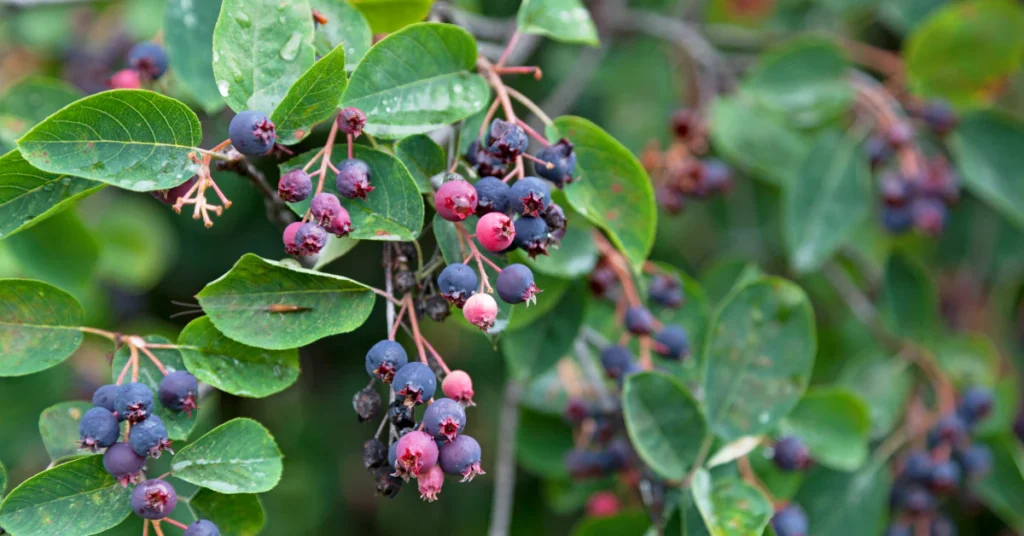
If you check a tree in June and come back in August, the berries might not look like the same fruit at all. Several common trees pass through a bright red stage before ripening to dark purple or black, and catching them mid-change is one of the easiest ways to misidentify a tree.
Here’s the typical progression, from unripe to ripe:
Downy Serviceberry (Amelanchier arborea), hardy to USDA Zone 4. Also called juneberry, this small tree starts with green berries in late spring. By early summer, they turn bright red, and people often assume this is the finished fruit. Keep watching, though. The berries darken further into a sweet, dark purple-black fruit that’s genuinely good to eat, similar to a blueberry.
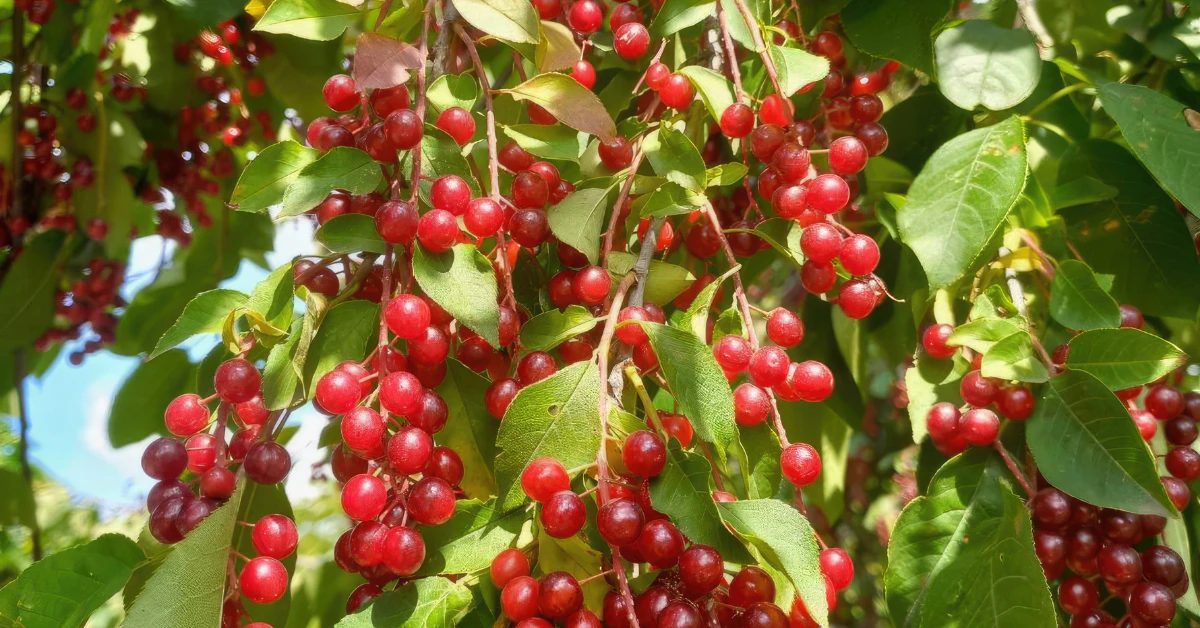
Chokecherry and Black Cherry (Prunus virginiana and Prunus serotina). These trees hang their fruit in long, drooping clusters. In mid-summer, the cherries look bright red and can seem tempting. Wait, and they turn black as they fully ripen. The flesh is tart but not dangerous in small amounts, though the pits, leaves, and bark contain compounds that are not safe to eat.
Common Buckthorn (Rhamnus cathartica). This one matters most for safety. Buckthorn berries start green, shift to red in late summer, and finish black in fall, following almost the exact same color path as a serviceberry. But buckthorn is toxic to humans, causing strong stomach pain and digestive distress, and it’s a regulated invasive plant in several states. One way to tell it apart: buckthorn often has a small thorn at the branch tip and leaf veins that curve toward the leaf edge. If you’re not sure which black-fruited tree you’re looking at, don’t taste-test to find out.
Don’t Mix These Up: Winterberry vs. Wintergreen Explained
These two names cause real confusion, but they are not related plants at all.
Winterberry (Ilex verticillata) is a tall, upright holly shrub that can reach 6 to 12 feet high, hardy in USDA zones 4A through 8B. It has no mint smell. Its berries are not meant for human eating, and the ASPCA lists them as toxic to dogs, cats, and horses.
Wintergreen (Gaultheria procumbens) is almost the opposite. It’s a low, creeping groundcover that barely rises above your ankles, and it smells strongly of mint when you crush a leaf or berry. People who forage describe the raw berries as a safe, mild trailside snack in small amounts.
So why the mix-up? Simply the name. “Winter” shows up in both, and both plants have red berries that last into the cold months. That’s where the similarity ends.
Here’s the part that matters most for safety. Raw wintergreen berries are mild. But Oil of Wintergreen, the concentrated extract used in some topical pain rubs and aromatherapy products, is a different story entirely. It contains a high concentration of methyl salicylate, a compound chemically related to aspirin. Swallowing even a small amount of the pure oil has caused fatal poisoning in children. Never confuse the berry with the oil. Eating a few wintergreen berries off the plant is not the same as swallowing a teaspoon of the extracted oil, and mixing up that distinction is genuinely dangerous.
Regional & USDA Zone Guide: What Grows in Maine, Wisconsin, and Ohio?
Winter temperatures decide a lot about which red-berry trees will actually survive in your yard. This section sticks to verified USDA hardiness zones rather than guessing which tree is “most common” in any one state.
Maine and Wisconsin (mostly zones 3 to 5)
These states see harsh winters, so cold-hardy species do best. American Mountain Ash (hardy to USDA zones 3 through 6) is well suited here. Winterberry (zones 4A through 8B) also holds up well in colder gardens. Washington Hawthorn, hardy from zones 3 through 8, and many crabapple varieties, which span zones 3 through 9, both work across this range too.
One important warning for Wisconsin and Minnesota gardeners: Common Buckthorn is a frequent problem in woodlots across the Upper Midwest. State agriculture departments list it as a regulated invasive species, and it’s often mistaken for native shrubs until someone notices how aggressively it spreads.
Ohio (mostly zones 5 to 6)
Slightly milder winters open up more choices. American Holly, hardy from zones 5B through 9, can survive here, along with Flowering Dogwood (zones 5 through 9A) and Kousa Dogwood (zones 5 through 8). Hardy pyracantha cultivars, rated for zones 6 through 9 and sometimes zone 5, are another option. Hawthorns and crabapples also do well across this zone range.
Always check your exact zone with the USDA Plant Hardiness Zone Map before choosing a tree, since microclimates can shift things by a full zone in either direction.
Frequently Asked Questions About Red-Berry Trees
Are red berries on trees edible?
There’s no single answer. Kousa dogwood fruit, hawthorn haws, and cooked rowan berries are safe to eat. Holly, winterberry, flowering dogwood, and buckthorn berries are not. Always confirm the exact species before eating anything.
Can you eat the berries of a Rowan tree?
Yes, but only after cooking. Raw rowan berries contain parasorbic acid, which causes vomiting and stomach upset. Cooking breaks this compound down, which is why rowan berries usually end up in jelly rather than eaten fresh off the tree.
Can you eat the berries on a buckthorn tree?
No. Buckthorn berries are toxic to humans and other mammals, causing stomach pain and a strong laxative effect. Buckthorn is also a regulated invasive species in several states, so the goal with this plant is removal, not eating.
Can humans eat winterberries?
No. Winterberry is part of the holly family, and its berries are not meant for human consumption.
Is winterberry toxic to dogs?
Yes. The ASPCA lists winterberry as toxic to dogs, cats, and horses. The toxic compound is a saponin, which causes vomiting, diarrhea, and tiredness. It’s rated as low toxicity, but it can still make a pet sick.
What is the difference between winterberry and wintergreen?
They’re unrelated plants with similar names. Winterberry is a tall holly shrub with berries that are unsafe for people and pets. Wintergreen is a low groundcover with minty-smelling berries that are safe to eat raw in small amounts.
What is winterberry good for?
Mainly ornamental use. Its bright red berries add color to winter landscapes and provide food for birds through the colder months. It isn’t used as a human food source.
Can you eat wintergreen berries raw?
Yes, in small amounts. Foragers often describe them as a mild, minty trailside snack. This applies only to the raw berry, not the concentrated oil made from the plant.
What does wintergreen do to your body?
The raw berries are mild. But concentrated Oil of Wintergreen contains methyl salicylate, a compound related to aspirin. Swallowing even a small amount of the pure oil can cause severe, sometimes fatal, poisoning in children.
Conclusion
Red berries can mean a lot of things, from a holiday-ready holly to a shrub your dog should stay far away from. The color alone will never tell you what you’re looking at. What matters is checking the leaves, the thorns, the berry cluster, and the season, then confirming the exact species before deciding if it’s safe to touch, plant, or leave alone. When in doubt, especially with kids or pets nearby, skip the guesswork and call Poison Control or the ASPCA. A few minutes of caution beats a trip to the emergency room.