
The best time to plant mums is in spring, after your last hard frost. This gives roots a full season to grow strong before winter. If you plant in fall, do it at least 6 weeks before your area’s average first frost, following University of Illinois Extension guidance.
You buy a gorgeous pot of mums every September. By April, it’s gone. Sound familiar? You’re not doing anything wrong. Timing is the real issue, and it comes down to simple plant science. Here’s exactly when to plant mums so yours can come back year after year.
Spring vs. Fall: Why Timing Makes or Breaks Your Mums
Mums bloom on a schedule set by daylight, not the calendar on your wall. Once fall days drop below 12 hours of light, mums switch into flowering mode. That’s when do mums bloom in a nutshell. This is called being “short-day” or photoperiodic, and it’s confirmed by University of Illinois Extension.
Here’s the problem. When you buy mums in September or October, they’re already covered in buds or open flowers. All that energy is going into blooms, not roots. The plant is basically sprinting toward flowers while its root system stays shallow and weak.
That shallow root ball is fragile once winter hits. As the ground freezes and thaws again and again, it physically pushes the root ball upward, right out of the soil. Virginia Tech Extension calls this “heaving.” Once roots are exposed above the soil line, they dry out fast in cold winter wind. That’s often the real reason your “perennial” mum never came back.
This is exactly why timing matters so much when to plant mums for fall. University of Illinois Extension recommends getting mums into the ground at least 6 weeks before your area’s first expected frost. That gives roots a head start before the ground freezes solid.
Spring planting avoids this problem entirely. The plant spends the whole summer growing a deep, anchored root system first, then blooms in fall right on schedule, with roots strong enough to survive winter.
When to Plant Mums by USDA Hardiness Zone

Not every garden runs on the same calendar. Hardy garden mums grow well in USDA Zones 5 through 9, according to Virginia Tech Extension. In Zone 5, they can survive winter, but UNH Extension notes they often need extra winter protection, and spring planting is far more dependable there than fall.
Here’s how that plays out by region:
| Zone | Example States | Best Planting Window |
| 5 to 6 | Minnesota, Iowa, New Hampshire | Plant in spring for perennial survival. Treat fall-bought mums as one-season annual color, not a guaranteed comeback. |
| 7 to 9 | Virginia, Texas, Georgia | Fall planting works reliably if done at least 6 weeks before your first frost. |
| 9 to 10 | Warmer parts of the South | Full sun is fine most of the year, but give afternoon shade during peak summer heat to stop scorching. |
If you’re not sure which category fits you, it’s simple to check. Look up your area’s average first frost date. Then count back 6 weeks from that date. That’s your personal deadline for fall planting.
If today’s date is already past that 6-week mark, don’t worry. Your mums can still be planted and enjoyed. They just have a lower chance of coming back as perennials next year. In that case, treat them as a beautiful seasonal display rather than a long-term investment, and aim for spring planting next year if you want them to stick around.
Are Mums Annuals or Perennials? How to Tell If Yours Will Come Back
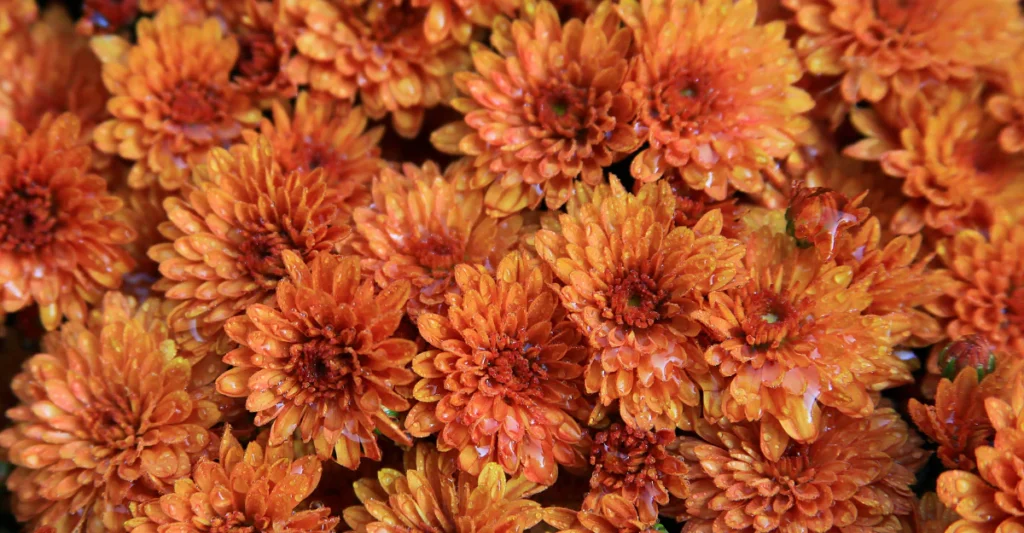
Here’s the truth behind the confusion. Mums aren’t simply annuals or perennials. It depends on which kind you bought.
Garden mums are bred to handle cold winters in Zones 5 through 9, according to Virginia Tech Extension. Florist mums, the kind often sold unmarked at grocery stores and big-box retailers, are bred only for pretty indoor or patio display. No matter when or how carefully you plant them, florist mums will not survive freezing temperatures.
So if your tag doesn’t say which type you have, how do you know? University of Connecticut Extension offers a simple trick called the stolon test. Try this:
- Gently part the lower stems of your mum so you can see the soil line
- Look for short, fleshy, horizontal root-runners called stolons poking out near the base
- If you find stolons, you likely have a hardy garden mum built to survive winter and return next year
- If you only see a tight ball of thin, fibrous roots with no runners, it’s probably a non-hardy florist mum meant for one season
This one quick check can save you from planting a florist mum in the ground with false hope, or from tossing out a garden mum that actually had a real shot at coming back.
Planting Mums in Pots vs. the Ground: What Actually Survives Winter?
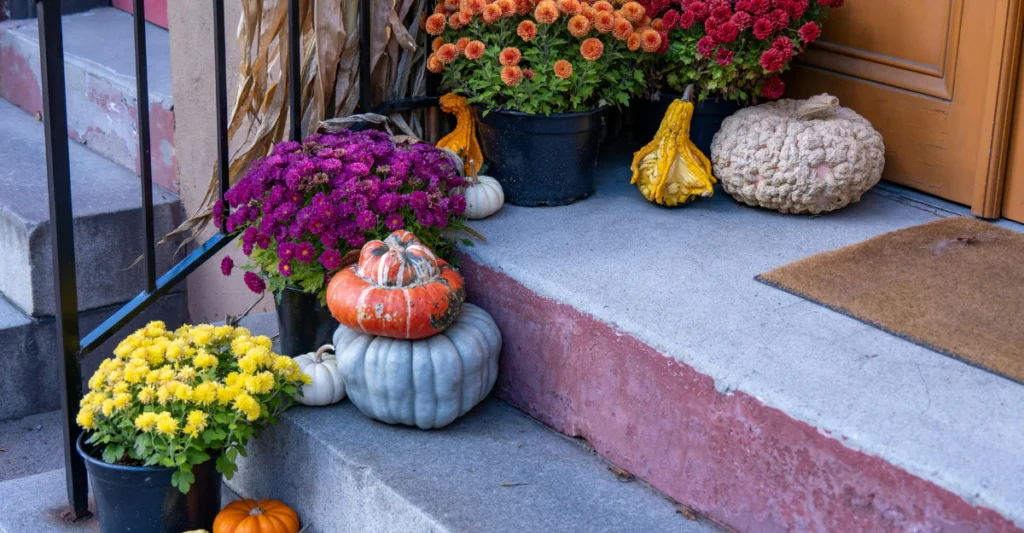
Ask this question on any gardening forum and you’ll get the same answer over and over. Potted mums left outside almost never make it through winter in cold or moderate climates. There’s a simple reason for that.
Soil in the ground acts like a thick winter blanket for roots. It holds heat and stays more stable as temperatures swing. A pot has no such protection. Cold air can reach the roots from every side, front, back, and bottom, so the soil inside freezes much faster than garden soil ever would. That’s why the pots vs. ground debate isn’t really a debate. In the ground, roots have a real shot. In a pot left outside, they usually don’t.
That doesn’t mean containers are off limits. You can plant mums in containers anytime from spring through October for instant porch or patio color. Just know that blooms on a store-bought potted mum typically only last about 2 to 3 weeks before fading.
If you want that potted mum to survive into next year, you have two real options. Either transplant it into the ground at least 6 weeks before your first frost, giving roots time to settle in, or move the whole pot into an unheated, frost-free garage or basement for the winter, where it stays cold enough to go dormant but shielded from freezing.
When to Plant Mums from Seed: The 16-Week Countdown
Growing mum seeds is a cheap way to fill your garden with perennial mums, but it takes patience and planning. As generally reported by seed suppliers, chrysanthemum seeds can take up to 16 weeks to flower after sowing. That means timing matters just as much here as it does with nursery plants.
To hit a fall bloom, start mum seeds indoors 8 to 12 weeks before your area’s last spring frost date. This gives seedlings enough time to grow strong before you move them outside.
When you sow the seeds, don’t bury them. Mum seeds need light to germinate, so press them gently onto the surface of the soil instead. A light dusting is fine, but deep burial will stop them from sprouting at all.
Keep the soil at a steady 60°F to 70°F while you wait. Germination usually takes 10 to 20 days. Once seedlings are established and all danger of frost has passed in your area, you can safely transplant them outdoors into their permanent spot.
How to Care for Mums: Sun, Watering, Mulching, and Pet Safety
Sunlight needs depend on what stage your mum is in. If you’re planting mums in the garden to grow and set buds, they need 6 or more hours of direct sun every day, according to Virginia Tech Extension. But if you bought a mum that’s already in full bloom for fall porch decor, the rules change. Bright, indirect light helps those open flowers last longer without wilting in harsh afternoon sun.
Watering is simpler than most people think. Sarah Browning at University of Nebraska-Lincoln Extension recommends watering thoroughly right after planting, then once a week while the plant is getting established. Only water more often during hot weather, and only when the top 1 to 2 inches of soil feel dry. Skip the daily watering habit. It does more harm than good and can rot the roots.
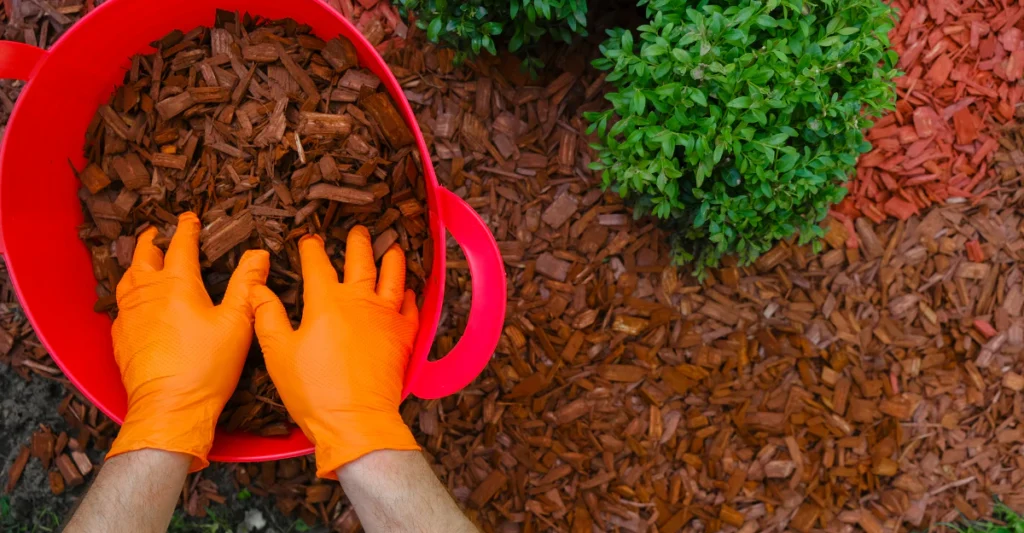
Before winter arrives, tuck 3 to 4 inches of mulch, straw or shredded leaves work well, around the base of the plant. This protects the crown from harsh freezes.
If you want that classic round, full look instead of tall, leggy stems, pinch back new growth from Memorial Day through July 4th. Stop pinching after early July so the plant has time to set flower buds for fall.
Pet Safety Warning: Are Mums Toxic to Pets?
Yes. According to the ASPCA, chrysanthemums are toxic to dogs, cats, and horses. They contain sesquiterpene lactones and pyrethrins, which can cause vomiting, diarrhea, hypersalivation, incoordination, and skin dermatitis if chewed or eaten. Keep porch pots and garden plantings out of reach of curious pets.
Frequently Asked Questions
Will mums come back every year?
Only if you have a hardy garden mum, not a florist mum, and it’s planted in a suitable zone like 5 through 9. Planting in spring gives the best odds. Fall-planted mums have a much lower chance of returning.
Are mums better in pots or in the ground?
The ground wins for winter survival. Soil insulates roots far better than a container does. Potted mums left outside rarely make it through a cold or moderate winter, since freezing air reaches the roots from every side.
Do mums require full sun or shade?
In-ground mums need 6 or more hours of direct sun daily to grow strong and bud well, per Virginia Tech Extension. Already-blooming potted mums on a porch do better in bright, indirect light, which helps the flowers last longer.
How long do potted mums stay alive?
A store-bought potted mum typically stays in bloom for about 2 to 3 weeks. The exact length depends on the weather and how far along the blooms already were when you bought it.
Should I water potted mums every day?
No. University of Nebraska-Lincoln Extension recommends watering thoroughly at planting, then about once a week while the plant establishes. Water again only when the top 1 to 2 inches of soil feel dry, since daily watering can rot roots.
How can I tell if my mums will come back next year?
Check the plant tag for “hardy” or “garden mum.” If unmarked, try the UConn Extension stolon test: look near the base for short root-runners. Finding them is a good sign it’s a hardy type.
How late is too late to plant mums?
Illinois Extension recommends planting at least 6 weeks before your average first frost. Planting later sharply lowers the odds of winter survival, turning your mum into a one-season annual instead of a returning perennial.
What to do with potted mums after they bloom?
Cut back the spent flowers. If 6 weeks remain before frost, transplant into the ground with 3 to 4 inches of mulch. Otherwise, move the pot to a cold but frost-free garage or shed.
Can you leave mums in pots over winter?
This isn’t recommended in cold climates, since pots offer little insulation against freezing. Instead, transplant into the ground or move the container into an unheated, frost-protected shelter until spring.
Conclusion
Timing is really the whole secret with mums. Plant in spring if you want a real shot at them coming back year after year. Plant in fall, at least 6 weeks before frost, if you’re going for one great season of color. Check whether you have a hardy garden mum or a florist mum, give it the right sun and water, keep pots away from pets, and you’ll finally break the cycle of buying mums every single fall.