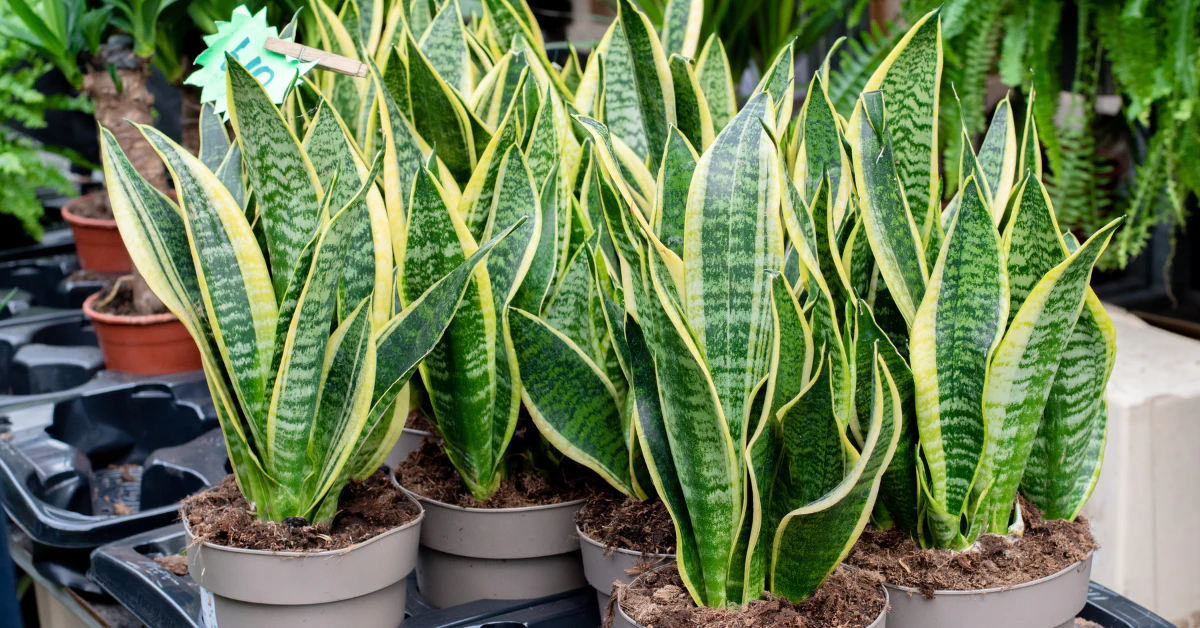
The mother-in-law’s tongue plant (Dracaena trifasciata, once called Sansevieria trifasciata) is a tough, upright succulent from Africa. It has stiff, sword-shaped leaves and barely needs any care. It handles low light and forgotten watering days with ease. In fact, overwatering is almost the only thing that will kill it.
Pet Safety Alert: Is mother-in-law’s tongue toxic to cats and dogs? Yes. According to the ASPCA, its leaves contain saponins that can cause mild to moderate stomach upset, including nausea, vomiting, and drooling, if chewed. This is not life-threatening organ failure. Jump to Section 3 for full safety steps.
Mother-in-Law’s Tongue vs. Snake Plant: Are They the Same Thing?
Yes, they are the exact same plant. If a nursery tag says snake plant, mother-in-law’s tongue, or viper’s bowstring hemp, you are looking at the same species: Dracaena trifasciata. For decades, botanists classified it as Sansevieria trifasciata, so you will still see that old name on plenty of care tags, books, and websites. The plant did not change. Scientists just moved it into a different family group.
The two common names often split by generation. Older gardeners tend to say mother-in-law’s tongue, a name tied to the plant’s sharp, pointed leaves. Younger plant buyers usually know it as snake plant, a simpler, more modern label that stuck as houseplants became trendy again.
This split explains a very common experience. Maybe you inherited a plant from a parent, a grandparent, or even an actual mother-in-law, and you are not sure what to call it or how to care for it. That confusion is completely normal. Plant tags rarely explain that both names point to the same, single species.
Here is the good news. These older, inherited plants tend to be some of the toughest houseplants around. Many have survived years of uneven watering, low light, and general neglect, and they are still standing. Once you know a few basic rules on light, water, and soil, an heirloom snake plant is genuinely hard to kill. Whatever the tag says, you are working with the same forgiving, low-maintenance plant.
Is Mother-in-Law’s Tongue Poisonous? What Pet Owners and Parents Need to Know
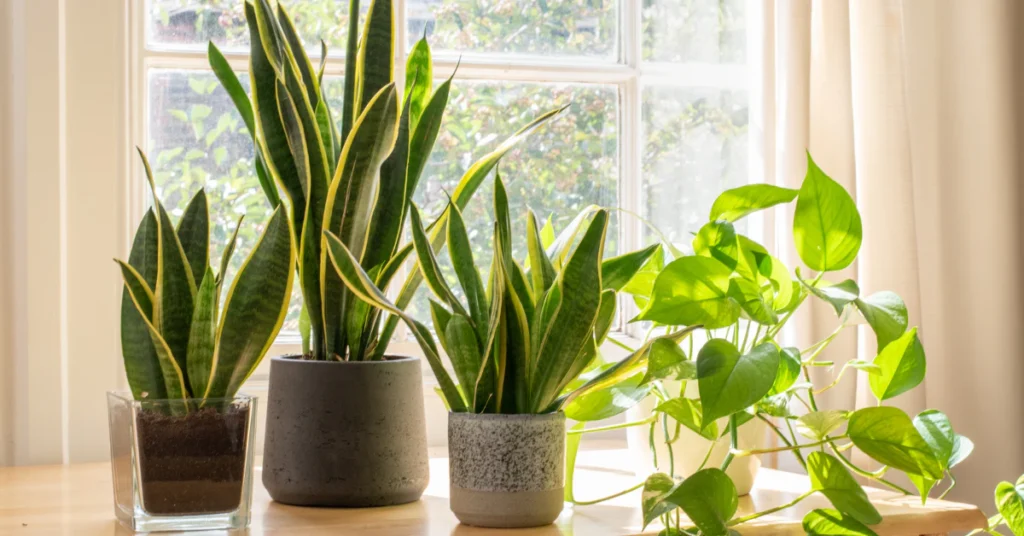
Yes, this plant is mildly poisonous if eaten. According to ASPCA Animal Poison Control, the leaves contain natural chemical compounds called saponins. Plants make saponins as a built-in defense, a way to fend off insects and fungi that might try to eat them.
That defense mechanism is what causes problems for pets and small children. If a cat, dog, or curious toddler bites off and swallows a piece of leaf, the saponins irritate the digestive tract. This usually shows up as drooling, nausea, vomiting, or diarrhea. These symptoms are uncomfortable, but they are not the same as a life-threatening emergency.
It is worth clearing up a myth here too. Some sites online claim the sap makes the tongue swell up or go numb. That is not what ASPCA clinical data actually shows. The confirmed reaction is gastrointestinal upset, meaning stomach and gut symptoms, not swelling of the mouth or throat. If your pet or child shows any breathing trouble, that is not typical for this plant, and you should call a vet or doctor right away regardless.
For everyday prevention, placement matters more than anything else. Set the pot up high, on a sturdy plant stand, a bookshelf, or a dresser, somewhere curious paws and small hands cannot reach the sword-like leaf tips. A little distance is usually all it takes to keep this tough, low-maintenance plant safely out of harm’s way.
Can It Live Outside? USDA Zones, Patio Rules, and Florida’s Invasive Warning
Whether this plant can live outside depends entirely on your zip code. Here is a simple, zone-by-zone rulebook.
According to the Missouri Botanical Garden, this plant is winter-hardy in the ground only in USDA Zones 10 through 12. That covers South Florida, Hawaii, coastal Southern California, and the Rio Grande Valley in Texas. Outside those areas, a hard freeze will kill it.
UC Cooperative Extension notes that Zone 9 gardeners have a middle option. You can keep it in an outdoor patio container during mild weather, then bring it inside before the first real cold snap.
For roughly 95 percent of the US, meaning Zones 3 through 8, this plant is strictly an indoor houseplant. It can take a summer vacation on a shaded porch, but bring it back in once nighttime temperatures start dropping toward 55°F.
A note for warm-climate gardeners: if you live in Zones 9 through 12 and want to plant this outdoors, there are two separate things worth knowing.
First, the standard houseplant version (Sansevieria trifasciata) scored an 11, marked “Reject,” on the University of Florida’s IFAS invasive risk assessment. That low score comes from its aggressive underground rhizome spread, the same root system that lets it survive neglect indoors. Outdoors in warm soil, those rhizomes can spread further and faster than you’d expect. The safest move is to keep it contained in a pot, even outdoors.
Second, a closely related lookalike plant shares the exact same common name, mother-in-law’s tongue. That plant, Sansevieria hyacinthoides, is an official Florida Exotic Pest Plant Council (FLEPPC) Category II invasive species. It is not the same plant most people buy at a nursery for indoor use, but the shared nickname causes real confusion. If you are buying one to plant in the ground in Florida, check the plant tag for the exact species name first.
Complete Mother-in-Law’s Tongue Care: Light, Soil, Water, and Temperature
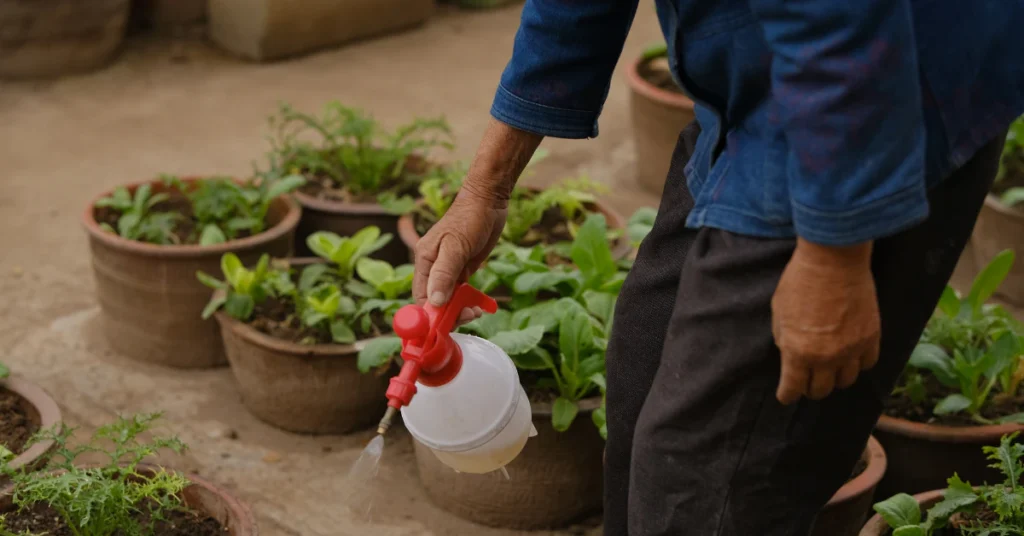
Good care for this plant comes down to four things: light, soil, water, and temperature. Get these right, and it will grow for years with almost no fuss.
Light
This plant can survive in a dark apartment corner with almost no natural light. That said, “surviving” and “thriving” are two different things. Bright, indirect light keeps the leaves upright, sturdy, and deep green. A spot near an east- or north-facing window works well. Avoid harsh, direct afternoon sun, though, since it can scorch the leaves and leave brown, crispy patches that won’t heal.
Soil and Drainage
Both the RHS and the University of Arkansas Cooperative Extension Service point to the same rule: this plant needs soil that drains fast. A gritty, sandy mix, or a store-bought cactus and succulent blend, works better than regular potting soil. Always use a pot with a drainage hole in the bottom. Standing water at the bottom of the pot is one of the fastest ways to kill this plant.
Watering
Here is the single most important rule for this plant. Let the soil dry out completely, from the top all the way down to the bottom of the pot, before you water again. This plant stores water in its thick leaves, much like a cactus does. Overwatering causes root rot, and root rot is by far the number one cause of death for this species. If you are unsure whether to water, wait another few days. Underwatering rarely kills this plant. Overwatering does.
Temperature and Leaf Troubleshooting
If something looks off with your plant, temperature and watering are almost always the cause. Here are two common problems and how to fix them.
Problem 1: One or two leaves are flopping sideways, while the rest stand up straight.
Start by checking the roots. Gently tip the plant out of its pot and look for mushy, brown, or foul-smelling roots, a sign of overwatering and root rot. If the roots look fine and firm, the flopping leaf may instead be badly dehydrated from being ignored too long, or the plant may not be getting enough light to support strong, upright growth.
Problem 2: New leaves are curling inward instead of growing straight.
This is usually not a watering issue at all. Check your thermostat instead. This plant can survive down to about 55°F, but it strongly prefers a warmer range closer to 70°F. If it sits near a drafty window or an entryway where temperatures dip toward that lower limit, new growth will often curl in response. Move the plant to a warmer spot, away from cold drafts, and new leaves should grow in straight again.
Repotting & Flowering: Why It Likes Tight Shoes (and What Those Rare Blooms Mean)
Most houseplant advice says to repot every spring. For this plant, that rule does not apply.
According to the University of Arkansas Cooperative Extension Service, this plant actually prefers staying snugly rootbound. A tight pot is not a problem here. It even works in your favor, since less empty soil around the roots means less excess water sitting around them, which lowers the risk of root rot.
So if you just inherited an old pot from a parent or grandparent, you likely do not need to do anything at all. Leave the plant right where it is, unless the underground rhizomes are literally cracking the plastic pot or pushing the whole plant up and out of the soil. Those are the only real signs it needs a bigger home.
This same rootbound, mature state is also connected to something else readers often ask about: flowering. Can a mother-in-law’s tongue flower? According to the RHS and the Missouri Botanical Garden, yes, but rarely, and almost never indoors unless the plant is older and fairly snug in its pot.
When it does happen, the bloom is easy to identify. A tall, slender flower stalk rises up from the base, covered in small, tubular, greenish-white flowers. They tend to open in the evening and release a sweet fragrance. If you see this happening, there is no need to worry. It is not a sign of stress or dying. It is simply a mature, healthy plant doing something most owners never get to see.
Mother-in-Law’s Tongue Propagation: How to Keep (or Lose) the Yellow Edges
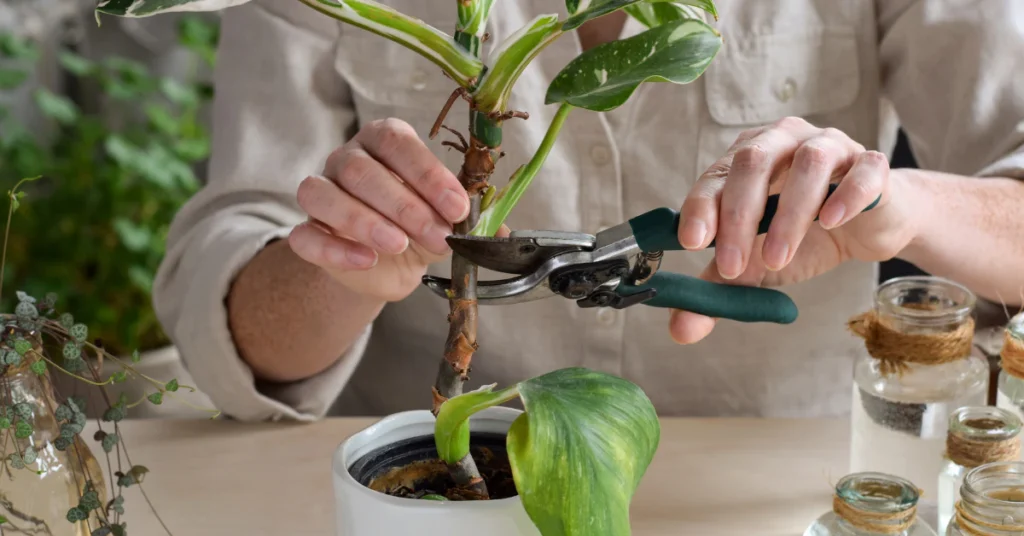
Before you propagate this plant, there is one secret most guides skip entirely. It can save you a lot of confusion later.
If your plant is the classic yellow-edged variety, often sold as ‘Laurentii’, it is what botanists call a chimera. That simply means two different types of leaf tissue live side by side inside the same leaf, one green and one carrying the yellow edge. According to the University of Arkansas Cooperative Extension Service, this matters a lot for propagation.
Here is why. If you slice a leaf into segments and root them in water or soil, new shoots only grow from the plain green tissue inside the leaf. The yellow-edged tissue does not carry over. That means your new baby plant will come up 100 percent solid green, with no yellow stripes at all, even though you cut it from a yellow-striped parent.
So which method should you use? It depends on what you want.
Rhizome Division (for an exact yellow-edged clone)
If you want a new plant that matches its parent exactly, stripes and all, use rhizome division instead of leaf cuttings. Slice through the underground rootstock, called the rhizome, with a clean, sharp knife. Make sure each section you cut away keeps its own roots and its own growing point. Pot each section up separately, and it will grow into a full match of the original plant.
Leaf Cuttings, Water or Soil Method (for plain green offspring)
If you do not mind ending up with solid green plants, leaf cuttings are easy and satisfying. Cut a leaf into roughly 3-inch segments. Let the cut ends callous over for a couple of days before planting, meaning let them sit out and dry slightly so they do not rot once placed in soil or water. Place each segment bottom-side-down, either in moist cactus soil or in a shallow container of water, and wait for roots to form.
Mother-in-Law’s Tongue Benefits: What the NASA Study and Science Really Say
This plant has real, science-backed benefits. It also has a few viral myths attached to it that deserve a closer look.
Start with the famous 1989 NASA Clean Air Study. In a small, sealed test chamber, researchers measured how well this plant cleaned polluted air over 24 hours. According to the results, as reported by Inverse, it removed 52 percent of benzene and 13 percent of trichloroethylene, two common indoor pollutants.
Those numbers are real, but they need some context. PolitiFact rated a related viral claim, that snake plants can keep a person alive in a sealed room, as False. NASA’s own Public Affairs Office confirmed this. The original study never tested whether these plants could sustain human life in an airtight space. In a normal home, with open doors, hallways, and air vents, a few potted plants will not replace an air purifier. Think of this plant as a small, helpful bonus for air quality, not a stand-in for good ventilation.
Its real standout trait has to do with timing, not raw purifying power. This plant uses something called CAM photosynthesis, short for Crassulacean Acid Metabolism. It is an adaptation built for dry, arid climates. Instead of opening its pores during the day like most plants, it opens them at night, taking in carbon dioxide and releasing oxygen while you sleep. That is genuinely unusual among houseplants.
Viral Myth Check: You may have seen the claim that this plant removes 78 percent of airborne mold. That statistic is real, but it belongs to a different plant entirely. According to a 2005 study presented at the American College of Allergy, Asthma, and Immunology and reported by HealthDay, English ivy reduced airborne mold by 78.5 percent and fecal particles by 94.25 percent over 12 hours. That impressive number is not about mother-in-law’s tongue at all.
Frequently Asked Questions About Mother-in-Law’s Tongue
Why is it called a Mother-in-law’s tongue?
It’s playful folklore, not science. The name compares the plant’s sharp, pointed leaves to the old stereotype of a sharp-tongued mother-in-law. Clinical ASPCA data confirms it causes GI upset, meaning nausea and vomiting, not tongue swelling as some myths claim.
How do you take care of a Mother-in-law’s tongue?
Follow four golden rules: use gritty, well-draining soil, give it bright indirect light (though it tolerates low light too), water only once the soil is completely dry, and leave it slightly rootbound rather than repotting often.
What are the benefits of having a Mother-in-law’s tongue plant?
It’s nearly indestructible and releases oxygen at night through CAM photosynthesis, unlike most plants. NASA’s sealed chamber test also found it removed 52 percent of benzene and 13 percent of trichloroethylene, offering modest air-filtering benefits.
What are the disadvantages of having a snake plant?
Two main drawbacks stand out. Its leaves contain saponins, which can cause stomach upset if chewed by cats or dogs. And if planted directly in the ground in USDA Zones 9 through 12, its rhizomes can spread aggressively underground.
Where should you not put a snake plant?
Indoors, avoid blazing afternoon sun, which scorches leaves, cold drafts below 55°F, which cause curling, and pots without drainage holes. Outdoors, never plant it uncontained in Florida or other warm Zone 10 through 12 garden beds.
What is the healthiest plant to have in your bedroom, and which plants give off the most oxygen?
No single plant is truly the “healthiest” or the top oxygen producer overall. But mother-in-law’s tongue, along with other CAM plants like aloe and orchids, is a smart bedroom pick since it releases oxygen at night and has no heavy floral scent.
What plant removes 78% of airborne mold?
That statistic belongs to a different plant. According to a 2005 allergy study, English ivy, not mother-in-law’s tongue, reduced airborne mold by 78.5 percent over 12 hours.
Conclusion
Mother-in-law’s tongue earns its reputation as one of the toughest houseplants around. It survives low light, forgotten watering days, and years of neglect, all while going by different names depending on who you ask. Just remember the basics: let the soil dry out fully between waterings, keep it slightly rootbound, and set it somewhere pets and small kids cannot reach the leaves. Get those few things right, and this plant will likely outlast almost everything else on your windowsill.