The purple passion plant (Gynura aurantiaca) is a fuzzy, purple-leafed member of the Asteraceae family, grown mostly as a houseplant across the US. Here is what it needs to thrive:
- Light: Bright, indirect light. Avoid harsh direct sun and dim corners.
- Water: Lightly moist soil at all times. Never let it sit soggy or bone dry.
- Temperature: Warm, steady indoor temps. No cold drafts.
- Pets: Confirmed non-toxic to dogs and cats by the ASPCA.
Keep reading for the full care breakdown, common problems, and answers to real reader questions.
The “Passion Flower” Mix-Up and Identification
A lot of gardeners search for “passion flower” and end up confused, because two very different plants share part of that name.
This guide covers Gynura aurantiaca, the fuzzy purple houseplant with velvet-textured leaves. It is a tender tropical plant. Outdoors, it only survives year-round in USDA Zones 10 to 12, which limits it to spots like South Florida or Hawaii. Everywhere else in the US, it has to live indoors.
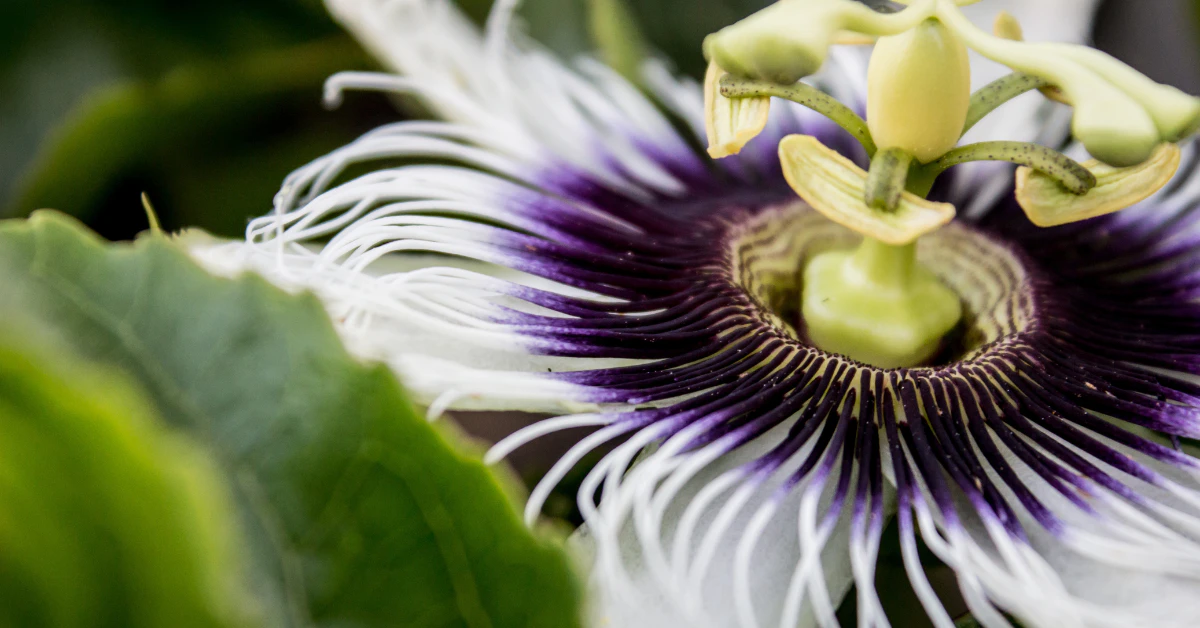
“Passion flower” usually means something else: Passiflora, a flowering vine known for its wild-looking blooms and, in some types, edible fruit. Passiflora is far hardier. Depending on the species, it can survive outdoors anywhere from Zone 5 up through Zone 11.
If you came here hoping to overwinter a flowering vine outside, you likely want Passiflora, not this plant. Keep reading if the fuzzy purple leaves are what brought you here.
Core Indoor Care (Light, Temperature, and Humidity)
Getting purple passion plant care indoors right comes down to three things: light, temperature, and humidity. Get these close to right, and the plant rewards you with vivid color and steady growth.
Light
This plant needs bright, indirect light to keep its purple color strong. A spot near a window with filtered sun works well. Direct sun for hours at a time will scorch the leaves, so avoid placing it right against a hot, sun-facing window.
Temperature
According to research from the University of Florida IFAS Extension, the ideal indoor temperature range for this plant is 65°F to 80°F. Growth noticeably slows down at or below 60°F, so a chilly room can quietly stall the plant even if everything else looks fine.
Anything colder than 55°F is a real risk. That temperature range is linked to chilling injury, meaning the plant can suffer lasting damage. Keep it away from cold windowsills, drafty doors, and unheated porches once temperatures drop.
Humidity
The same research points to 40 to 60 percent humidity as the sweet spot for keeping this plant looking its best. Most home environments fall close to this range already. If your home runs very dry, especially in winter with heating on, a small humidifier or a pebble tray nearby can help.
Watering Strategy and Soil Needs
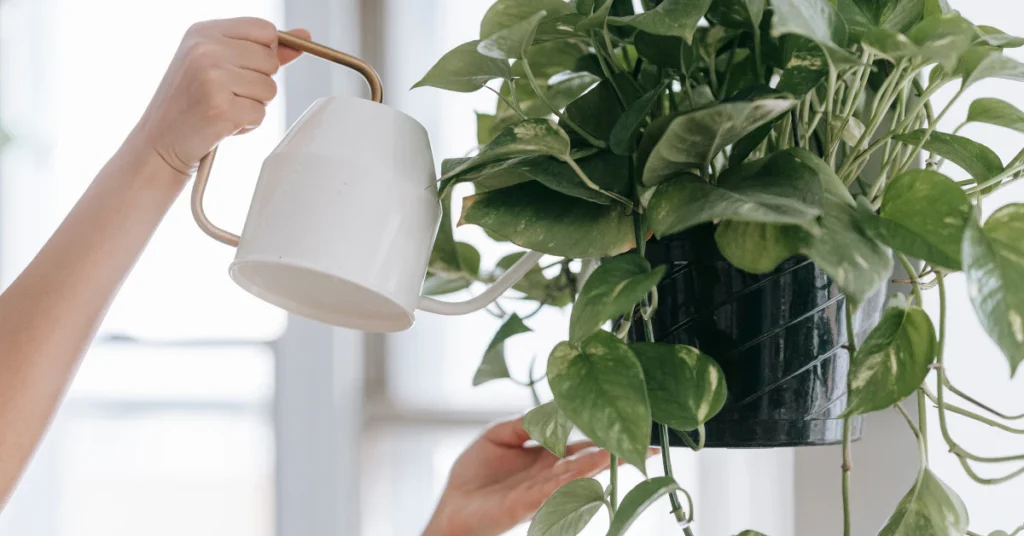
This plant likes its soil lightly moist, never soggy and never bone dry. Water when the top layer of soil starts to feel dry, then let any excess drain away completely.
The real danger here is root rot, and it’s sneaky. The leaves and stems often look fine right up until the roots have already been damaged underground. By the time you see wilting or a mushy base, the problem has usually been building for a while.
A well-draining potting mix is your best defense. It lets water move through instead of pooling around the roots. Make sure the pot has a drainage hole, too, and never let it sit in a saucer full of standing water.
When in doubt, check the soil with your finger before watering again. Underwatering is easy to fix. Root rot often isn’t.
Managing Legginess and Pruning
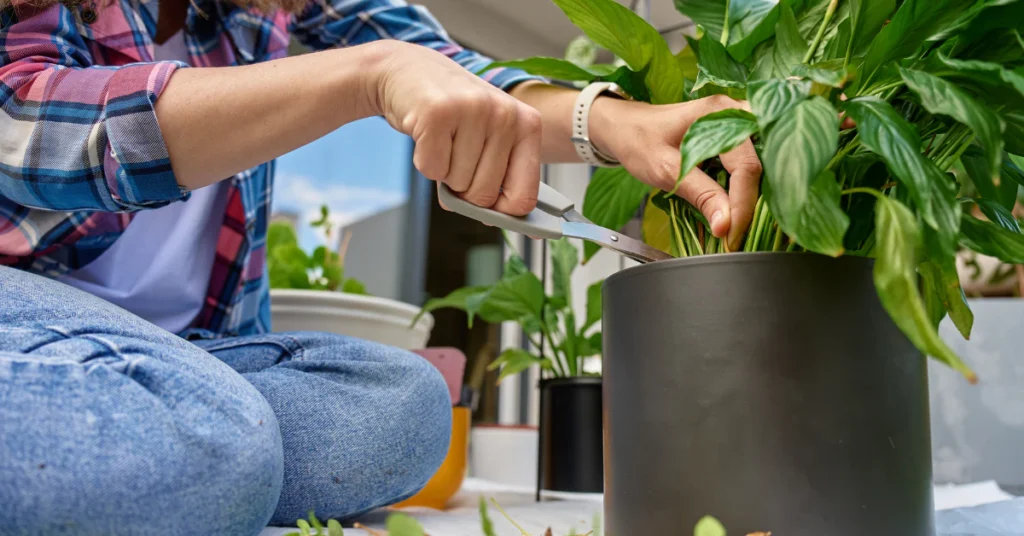
If your purple passion plant is growing too tall and thin instead of full and bushy, warm temperatures are often the reason. According to UF/IFAS research, temperatures above 80°F push this plant into fast, leggy growth.
Here’s the honest part: there’s no easy home fix for this at the chemical level. In UF/IFAS trials, most growth regulators failed to control legginess and flowering. Only a professional product called ethephon, sold under the name Florel, actually worked. That’s a commercial greenhouse tool, not something meant for home use.
So for home growers, pruning purple passion plant stems by hand is really the only reliable option. The good news is it works well.
Simply pinch off the growing tips of long stems, just above a leaf node. Do this regularly during spring and summer, when the plant is actively growing. Each pinch encourages the plant to branch out sideways instead of stretching upward.
Don’t worry about being too aggressive. This plant handles pinching well, and a fuller, bushier shape is almost always the result.
The Flowering Phase and Lifespan Reality Check
At some point, your purple passion plant may surprise you with small orange flowers. Unfortunately, most people find that these flowers smell unpleasant rather than pleasant, and many gardeners just snip them off as soon as they appear.
Flowering usually marks a turning point. It’s often the first sign that the plant has entered its natural decline, so this is one of the more common purple passion plant problems owners run into.
Growers commonly report a lifespan of about 2 to 5 years for this plant. That’s a wide range, and your results may land anywhere in it.
Here’s something that doesn’t get said enough. Even experienced, longtime growers sometimes watch this plant decline suddenly, with no clear cause, in as little as 12 to 14 months. This has been reported by seasoned plant collectors, not just beginners.
If your purple passion plant seems to be fading fast despite your best efforts, you are probably not doing anything wrong. This plant simply has a shorter, less predictable life cycle than many other houseplants, and sudden decline is sometimes just part of its biology.
Propagation and Repotting
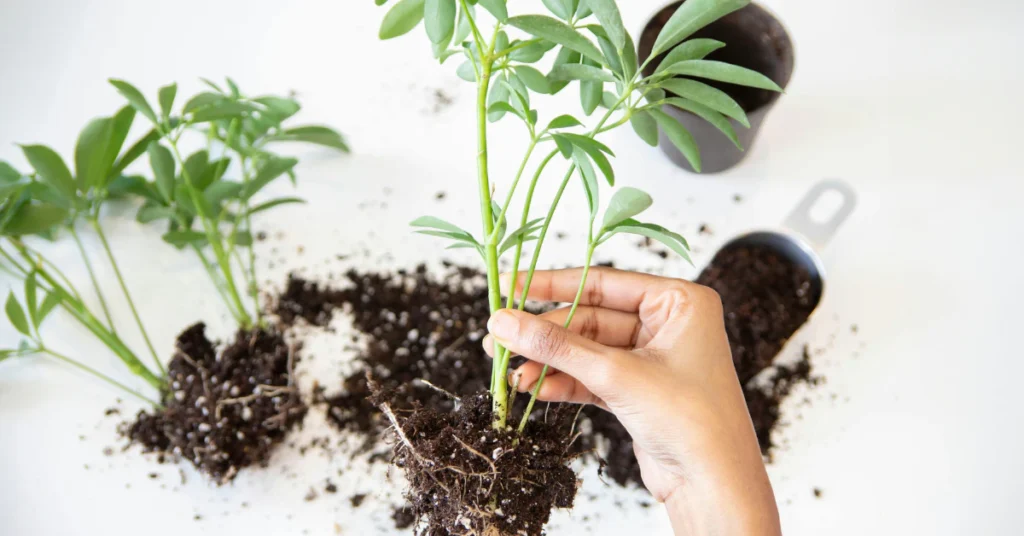
Since this plant has a short lifespan, purple passion plant propagation is worth learning early rather than waiting until your plant is already declining.
Take a stem cutting a few inches long and place it in moist soil. According to UF/IFAS research, cuttings root in about 1 to 2 weeks when the growing medium stays around 75°F.
You can also root cuttings in water, but be careful. The stems are soft and almost succulent-like, which makes them prone to rotting before roots even form. Soil tends to give more reliable results for this reason.
As for repotting, don’t overdo it. Because this plant naturally lives only a few years, frequent repotting isn’t necessary. A fresh pot once, maybe twice, during its lifetime is usually enough. Save your energy for propagating new cuttings instead.
Outdoor Care and Seasonal Moving
If you’re planning purple passion plant outdoor care, geography matters more than almost anything else.
As a true outdoor perennial, this plant is limited to USDA Zones 10a to 12b, according to both NC State Extension and the Missouri Botanical Garden. That covers a small slice of the US, mainly South Florida and Hawaii. Outside those zones, it cannot survive winter outdoors.
For everyone else, that doesn’t mean it has to stay inside all year. Once nighttime temperatures reliably stay above 60°F in spring, you can move it outdoors to a spot with bright, filtered light.
Just keep an eye on the forecast as fall approaches. Bring it back inside before nighttime temperatures drop toward that 55 to 60°F range. Waiting too long puts the plant at real risk of chilling injury.
Toxicity and Debunking “Benefits”
Good news for pet owners worried about a purple passion plant toxic to cats concern: the ASPCA lists it as non-toxic to dogs, cats, and horses. That said, eating any houseplant in large amounts can cause mild stomach upset, so it’s still smart to discourage nibbling.
As for purple passion plant benefits, one common claim doesn’t hold up. This plant is often lumped into “air purifying” lists online, but it was never part of the original 1989 NASA Clean Air Study. Its real benefit is simpler: it’s a striking, colorful houseplant, nothing more scientifically proven than that.
Frequently Asked Questions
Are purple passion plants hard to take care of?
Not really. They need bright indirect light, lightly moist soil, and warm temperatures. The tricky part is their short, sometimes unpredictable lifespan, not the daily care itself.
How long do purple passion plants last?
Most growers report a lifespan of about 2 to 5 years. Some plants decline much sooner, even with good care.
Is purple passion an indoor or outdoor plant?
Mainly indoor. It only survives outdoors year-round in USDA Zones 10a to 12b, so most US homes need to keep it inside.
How much sun does a purple passion plant need?
Bright, indirect light. Direct sun can scorch the leaves, while too little light fades the purple color.
Can I put my purple passion plant outside?
Yes, seasonally. Wait until nighttime temperatures stay above 60°F, and bring it back in before they drop toward 55°F.
Can you keep a passion flower alive outside over the winter?
That depends on the plant. True passion flower, or Passiflora, is a different plant entirely, and some types survive outdoors as far north as Zone 5. The purple passion plant covered here cannot.
Conclusion
Purple passion plant care really comes down to a few simple habits: bright indirect light, lightly moist soil, and warm, steady temperatures. Once you know its limits, like the 55°F cutoff and its naturally short lifespan, the rest is easy to manage.
This plant won’t last forever, and that’s okay. Take cuttings early, enjoy the color while it lasts, and don’t blame yourself if it declines faster than expected. That’s just how this plant works.