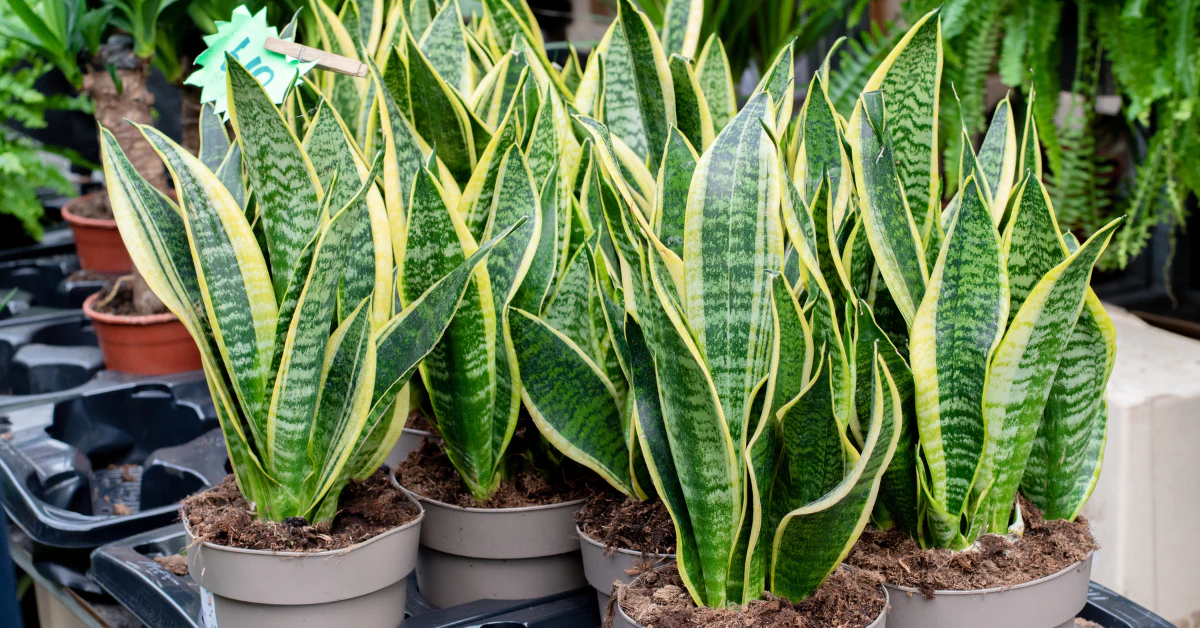
Yes. Snake plants are toxic to both cats and dogs. They contain natural compounds called saponins, which can cause vomiting, drooling, and diarrhea if your pet chews or swallows the leaves. If your cat just ate part of a snake plant, remove the plant from reach right away and call your vet or the ASPCA Animal Poison Control Center.
Take a breath. In most cases, this is not a life-threatening emergency. Cats rarely eat much of the plant because it tastes bitter.
This guide walks you through what the symptoms look like, how serious snake plant toxicity really is, how it compares to far more dangerous plants like lilies, and simple ways to keep your cat safe without giving up your plant for good.
What Happens if a Cat Eats a Snake Plant? (Symptoms to Watch For)
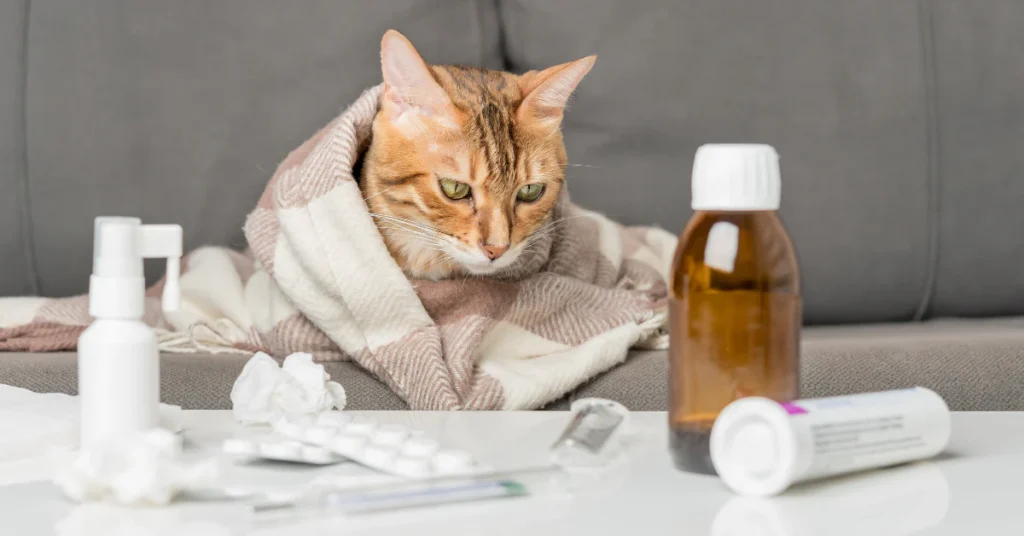
Saponins are the reason snake plants cause trouble for cats. These are natural compounds found throughout the plant, and they act a bit like soap inside the body. When a cat chews or swallows a leaf, saponins irritate the mouth, throat, and stomach lining.
According to the ASPCA, the most common signs of snake plant poisoning are:
- Drooling
- Nausea
- Vomiting
- Diarrhea
Most cats start showing these signs within a few hours of eating part of the plant.
There is more to watch for, though. The Pet Poison Helpline notes that cats specifically can also show dilated pupils and a wobbly, unsteady walk, known as ataxia. These signs are less commonly mentioned, but they are real and worth knowing. If your cat’s pupils look unusually large or they seem off balance after chewing on a plant, that is a sign to call your vet.
Here is some good news. Saponins taste bitter. Most cats take one bite, dislike it, and walk away. That bitterness works like a built in warning system, which is part of why serious poisoning from snake plants is uncommon.
Still, every cat is different. A kitten exploring a new plant, or a cat that eats a large amount in one sitting, may show stronger symptoms than a cat that takes a single curious nibble.
If you notice any of these signs after your cat has been near a snake plant, do not wait to see if it gets worse. Contact your veterinarian or a pet poison control hotline for guidance based on your cat’s size, age, and how much they may have eaten.
Why Cats Target Snake Plants (And the “It’s Not a Lily” Mistake)
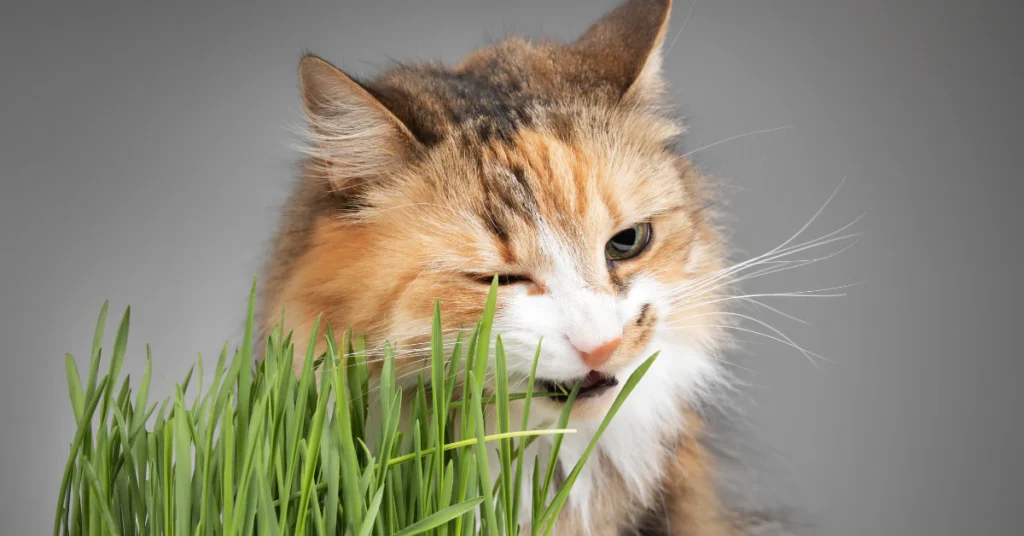
Snake plants have tall, stiff leaves with a texture a lot like grass. That is exactly why cats cannot seem to leave them alone.
Cats have a natural urge to chew on grass like textures. It helps with digestion and may just feel satisfying to gnaw on. A snake plant’s upright, blade shaped leaves hit that same instinct, especially for an indoor cat that does not have access to real grass outside.
This leads to a common mistake. Many plant owners hear that snake plants are “mildly toxic” and relax a little too much, especially once they learn how much more dangerous true lilies are to cats. One houseplant owner described exactly this pattern. She kept snake plants in nearly every room because they survived her busy schedule and low light spaces. She assumed the mild toxicity meant her cat would leave them alone.
Her cat had other plans. He kept returning to the same plant, drawn to its firm, chewable leaves, even after getting mild stomach upset from it. She eventually realized the texture was the real pull, not curiosity alone.
The lesson here is simple. A snake plant is far less dangerous than a lily, and that is true. But “less toxic” does not mean “unappealing.” If your cat likes to chew on things, a snake plant’s texture can make it a repeat target, so it still needs a safe spot out of reach.
The Hallucinogenic Myth: Snake Plants vs. Spider Plants
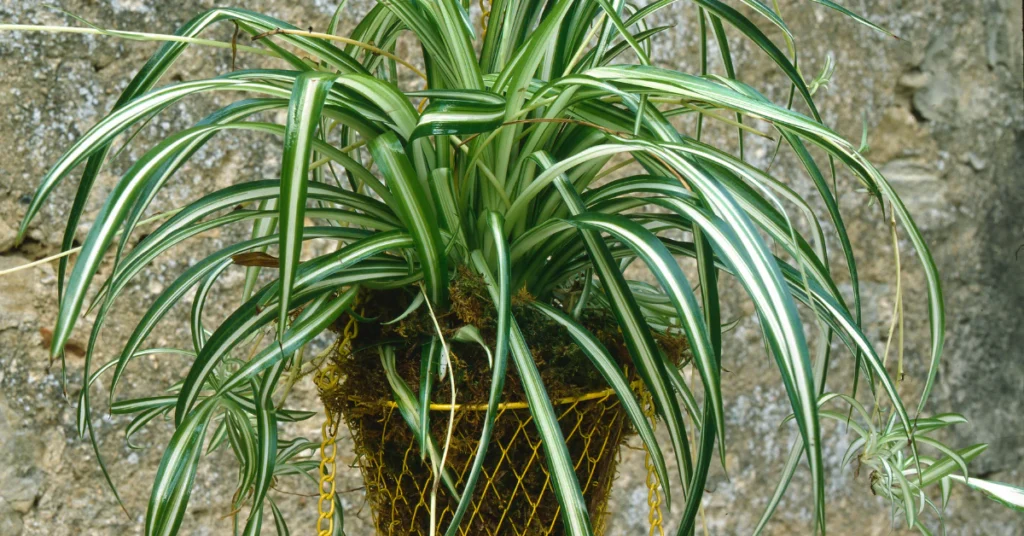
If you searched for “snake plant cat hallucinogenic,” you are not alone. But there is a mix up happening here, and it is worth clearing up.
That hallucinogenic effect actually belongs to a different plant: the spider plant. Spider plants contain mild, catnip like compounds that can make cats act a little goofy or extra playful. The good news is spider plants are not toxic to cats at all.
Snake plants work the opposite way. They will not get your cat high, but they can make your cat sick. There is no psychoactive effect here, just the saponins that cause stomach upset described earlier.
Here is a simple way to see how these plants compare:
| Plant | Toxicity Level | Toxic Principle | Typical Symptoms |
| Snake Plant | Mildly toxic | Saponins | Drooling, vomiting, diarrhea, dilated pupils, wobbly gait |
| True Lily | Highly toxic, can be fatal | Not yet identified by researchers | Kidney failure, even from pollen or vase water |
| Spider Plant | Non-toxic | Mild, catnip-like compounds | Playful or “spacey” behavior, possible mild stomach upset if a large amount is eaten |
So if your cat seems a little silly after chewing on a houseplant, check which plant it actually was. A spider plant explains the odd behavior. A snake plant points toward the stomach symptoms covered earlier instead.
Digging and Scratching: The Other Snake Plant Nuisance
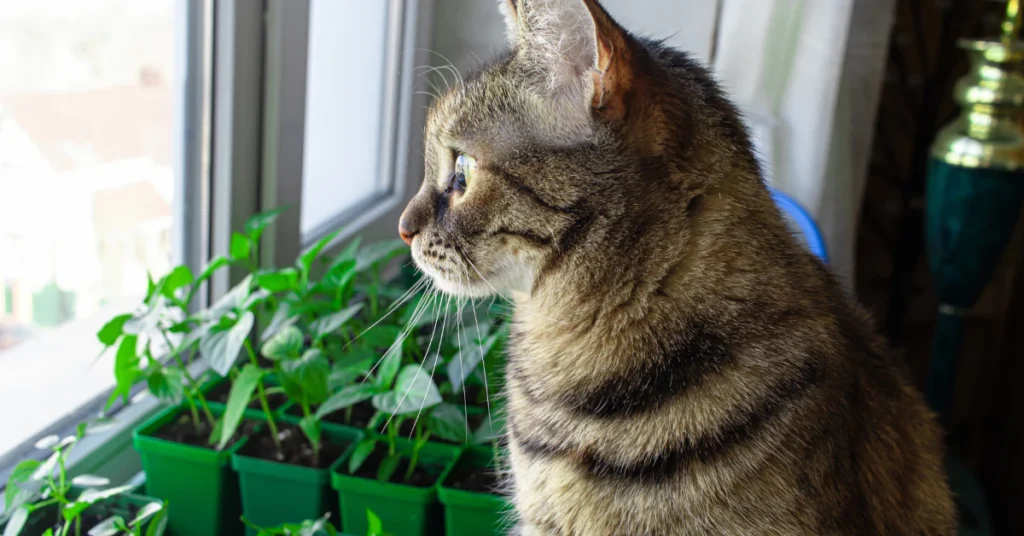
Not every snake plant problem is about toxicity. Sometimes the real headache has nothing to do with eating the plant at all.
Wide, deep snake plant pots are tempting to a curious cat for reasons that have nothing to do with chewing. Some cats treat the soil as a bathroom. Others dig through it simply because loose soil is fun to paw at. And a few cats even curl up and nap right in the pot, flattening the leaves and scattering dirt everywhere in the process.
If this sounds familiar, you are not imagining it. Gardening forums are full of frustrated plant owners describing the exact same thing: a cat that treats their snake plant’s pot like a personal litter box or bed.
The stiff, upright leaves can cause a second issue too. Their sturdy shape makes them an easy stand in scratching post for a cat looking to stretch and claw at something.
Thankfully, there are a few simple fixes that do not involve giving up the plant:
- Cover the top layer of soil with smooth decorative stones so digging feels less appealing
- Use a wire mesh insert cut to fit inside the pot, tucked just under the surface
- Move the pot somewhere less tempting, like a stand or shelf instead of the floor
- Offer a scratching post nearby as a better alternative to the leaves
A few small changes usually solve this faster than you would expect, and your plant gets to stay in one piece.
How to Keep Cats Away from Snake Plants (Indoor Strategies)
For most people in the US, this is really an indoor safety question, not a garden one. Snake plants only survive outdoors year round in USDA zones 9b through 11, areas like southern Florida, southern Texas, and parts of coastal California, according to Arizona State University’s plant database. Everywhere else, these plants live indoors, which actually makes them easier to manage around a cat.
So the real goal is simple: control where the plant sits inside your home.
A few placement ideas that work well:
- High shelves. Cats can jump impressively high, but a tall shelf or bookcase still puts the plant out of easy reach for most cats.
- Hanging planters. A hanging pot keeps the plant off furniture and floors entirely, which also helps with the digging issues covered earlier.
- A closed off room. If you have a room your cat does not enter, like a home office with the door shut, that is an easy safe zone for a sensitive plant.
- Plant stands away from climbing paths. Keep plants off windowsills, cat trees, or furniture your cat already uses to climb and explore.
If you happen to live in one of those warmer zones and grow your snake plant outdoors, keep in mind that outdoor garden beds are much harder to fully protect. A cat that spends time outside may dig in garden soil the same way it would dig in a houseplant’s pot, so consider a protective barrier or keeping the plant in a raised, less accessible container instead.
Frequently Asked Questions About Snake Plants and Cats
What happens if my cat chews on my snake plant?
Your cat may drool, vomit, or have diarrhea within a few hours of eating part of the plant. Most cats only take a small bite because the plant tastes bitter. If symptoms seem severe or do not improve, contact your vet.
What is the most toxic plant for cats?
True lilies are far more dangerous than snake plants. Even a small bite, or drinking water from a vase that held lilies, can cause kidney failure in cats according to the ASPCA. Snake plants cause stomach upset, but lilies can be life threatening.
Why is the snake plant not pet friendly?
The plant is not technically causing a “snake plant cat allergy.” Instead, it contains saponins throughout its leaves. These compounds irritate a cat’s mouth, throat, and stomach lining, which is why chewing on the plant leads to drooling and vomiting rather than an allergic reaction.
How do I keep cats away from snake plants?
Place the plant on a high shelf, in a hanging planter, or in a room your cat cannot access. Covering the soil with stones can also stop digging, and offering a scratching post nearby can redirect your cat’s attention away from the leaves.
Should I get rid of my snake plant if I have a cat?
Not necessarily. The toxicity is mild, and most cats avoid eating much because of the bitter taste. Try adjusting where the plant sits first. Only consider rehoming it if your cat keeps targeting it despite your efforts to keep it out of reach.
Final Thoughts: Should You Keep Your Snake Plant?
You do not need to say goodbye to your snake plant. Unlike a lily, it is not a life threatening risk for cats. The bitter taste alone stops most cats from eating enough to cause serious harm.
A snake plant will never be a truly “cat friendly” plant, but it does not need to be an off limits one either. With smart placement, a sturdy pot cover, and a little patience, most owners can keep both their plant and their cat happy.
If an accident ever does happen, do not guess. Call your vet or poison control right away.