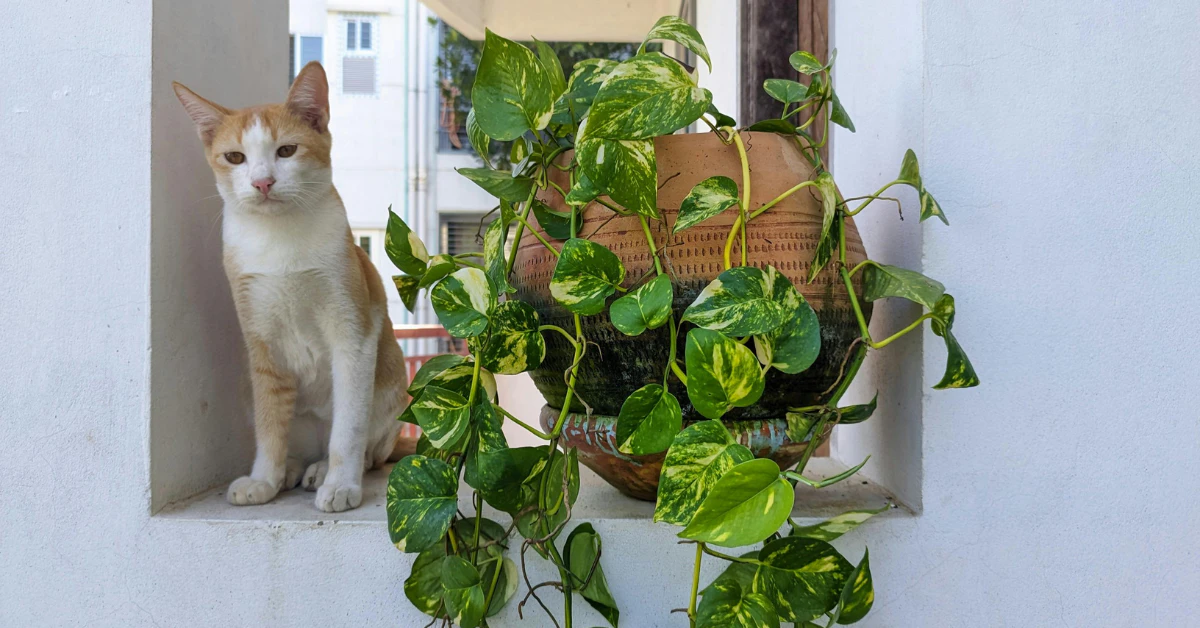
Yes, pothos are toxic to both cats and dogs. The ASPCA lists pothos (Epipremnum aureum) as toxic to both pets. The plant contains tiny, sharp crystals called insoluble calcium oxalates. When a cat or dog bites into a leaf or stem, these crystals dig into the mouth and cause pain.
This is a real risk, but it is not usually a life-threatening one. Pothos causes local irritation, not organ damage. Still, if your cat chewed on pothos, keep reading. You will learn what to expect and what to do next.
How Toxic Are Pothos? Understanding the Real Risk
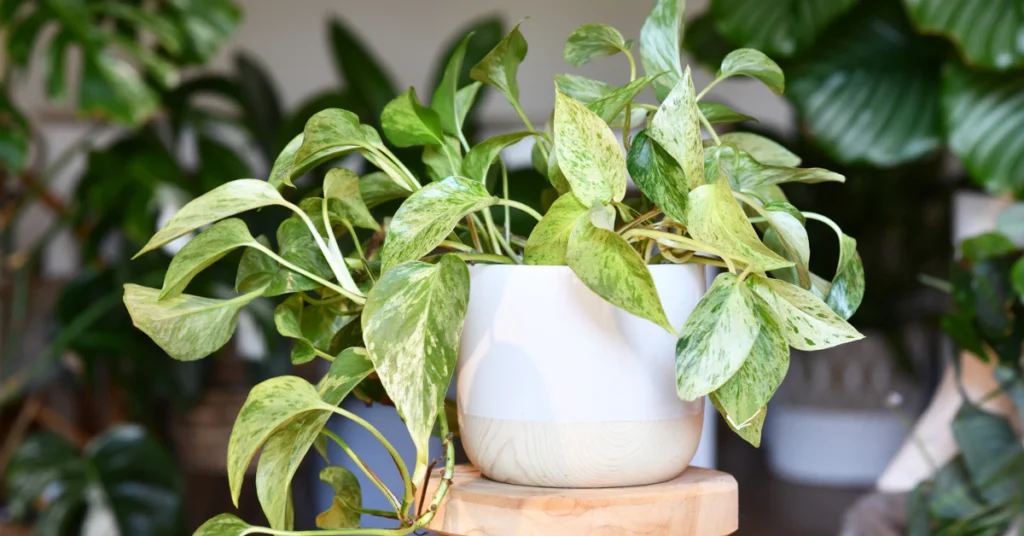
Pothos toxicity is real, but it helps to know what kind of risk it actually is. The crystals in the plant do not poison your cat’s blood or organs. They cause local irritation where they touch skin or tissue, much like tiny splinters.
The ASPCA explains that pothos signs are “unlikely to be severe and should not warrant medical attention unless the stomach upset becomes more than mild.” That is a reassuring message if your cat just took one curious bite.
Most cats who chew pothos show these signs:
- Drooling or foaming at the mouth
- Pawing at the face or mouth
- Vomiting
- Trouble swallowing
- Redness or swelling around the lips
These symptoms usually show up fast, often within minutes of a bite. That is because the crystals cause pain on contact, not after they are digested.
Can Pothos Be Toxic Without Being Eaten?
Yes. Your cat does not have to swallow pothos to have a reaction. According to NC State Extension, pothos causes contact dermatitis. This means the sap alone can irritate skin if it touches a cut stem or broken leaf.
NC State Extension also rates pothos as having medium severity poison characteristics. That lines up with what the ASPCA says: this plant causes real discomfort, but it sits in the moderate range, not the dangerous one.
So if your cat rubbed against a damaged pothos vine and now has red, irritated skin or paws at its mouth without having chewed anything, that reaction can still come from the plant’s sap. You do not need a full bite for pothos to cause trouble.
Are All Pothos Toxic to Cats? (Golden, Neon, and Satin)
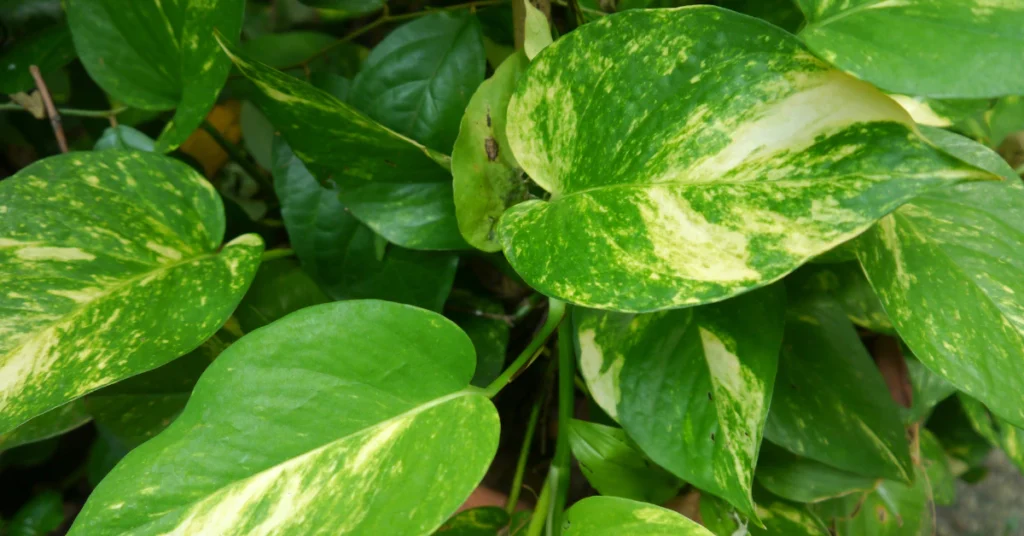
Plant shops love to sell pothos under many different names, and that leads to real confusion. Here is the simple version.
Golden pothos, Neon pothos, Marble Queen, and other common varieties are all the same plant: Epipremnum aureum. The leaf color and pattern just come from pigment differences. The toxic crystals inside the plant stay the same no matter what the leaves look like. So if you are wondering whether golden pothos is toxic to cats and dogs, or whether a brighter Neon variety is somehow safer, the answer is the same for all of them. They carry identical risk.
Satin Pothos is a different story. Despite the name, it is not the same plant. Satin Pothos is Scindapsus pictus, a separate genus entirely. The ASPCA lists it as toxic to cats and dogs, just like true pothos. But Satin Pothos carries one extra warning: it is also toxic to horses.
| Plant | Scientific Name | Toxic to Cats | Toxic to Dogs | Toxic to Horses |
| Golden, Neon, Marble Queen Pothos | Epipremnum aureum | Yes | Yes | Not listed |
| Satin Pothos | Scindapsus pictus | Yes | Yes | Yes |
If you are not sure which one you own, treat both as toxic to cats and keep them out of reach either way.
What to Do If Your Cat Chews on Pothos
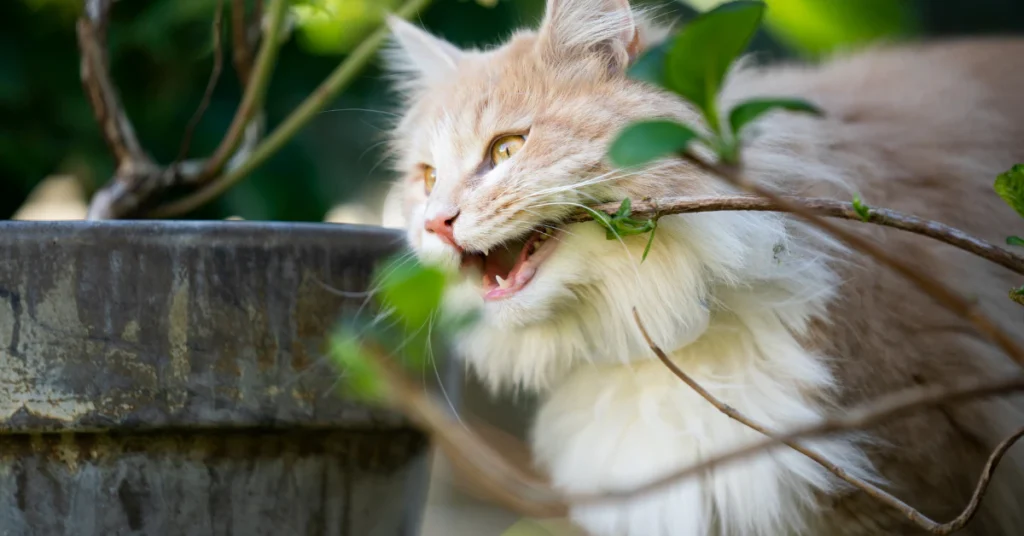
If you just caught your cat chewing pothos, take a breath. This is treatable, and most cats recover without serious problems. But act with a clear plan.
Here is what to do:
- Remove your cat from the plant. Move them to another room so they cannot keep chewing.
- Check their mouth gently. Look for plant pieces, drooling, or swelling.
- Rinse their mouth with water if you can do it safely, to help wash out crystals.
- Call for help right away. Contact your vet, the ASPCA Animal Poison Control Center at (888) 426-4435, or the Pet Poison Helpline at (855) 764-7661.
- Watch for serious signs. According to Pet Poison Helpline, most cats show drooling, gagging, and vomiting. In rare cases, the throat can swell enough to cause trouble breathing. If your cat is struggling to breathe or swallow, get emergency vet care immediately.
Do not try home remedies. Skip the internet advice about giving milk or forcing your cat to vomit. These are not recommended by veterinary sources and can make things worse, especially since vomiting is already a common symptom on its own.
The safest move is always a phone call. A vet or poison control expert can tell you, based on your cat’s size and how much they ate, whether you need an in-person visit or just need to watch them at home.
The Danger Scale: Pothos vs. Highly Toxic Plants
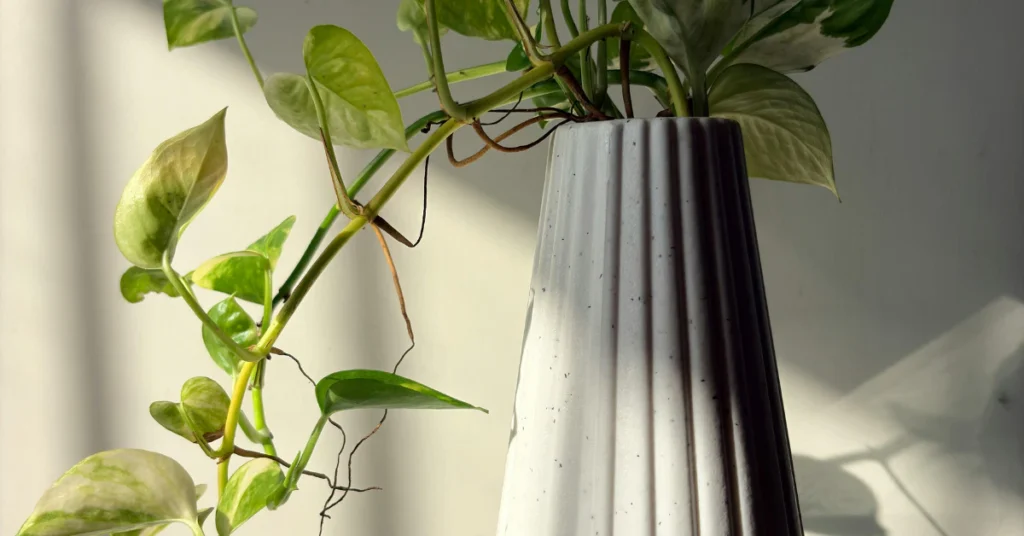
Not all toxic plants carry the same risk. This is where a lot of fear online gets mixed up. Pothos causes pain, but it does not attack your cat’s organs. Some other common plants are far more dangerous.
| Plant | Toxic Effect | Severity |
| Pothos | Mouth and throat irritation, drooling, vomiting | Moderate, local, not systemic |
| True Lilies (Lilium species) | Acute kidney failure, even from small amounts | Severe, can be fatal |
| Sago Palm | Liver damage | Severe, can be fatal |
The ASPCA warns that true lilies can cause kidney failure in cats from even tiny exposures, including pollen. That puts lilies in a completely different danger tier than pothos.
So if your cat chewed pothos, you are dealing with a real but manageable problem. Save the deep worry for true lilies instead.
Keeping Cats Safe: Indoor Prevention & Outdoor Zones
The easiest fix is distance. Cats cannot chew what they cannot reach. Hang your pothos in a planter high off the ground, or set it on a shelf your cat cannot jump to. Many cats are great climbers, so test your setup before trusting it.
For most US homes, pothos is strictly an indoor plant. But that is not true everywhere.
According to Clemson Cooperative Extension, pothos only survives outdoors year-round in USDA Hardiness Zones 10 through 12. That covers places like South Florida, Hawaii, and parts of coastal southern Texas and California.
If you live in one of these zones and let your cat outside, pothos growing in your yard or landscape is an extra exposure point to watch for. In the rest of the country, your cat’s only real risk comes from the pothos sitting inside your home.
Frequently Asked Questions
What happens if a cat eats a pothos?
Your cat will likely show mouth pain right away. Common signs are drooling, pawing at the face, and vomiting. Most cases stay mild and do not need emergency care, but you should still call your vet or poison control to be safe.
What is the most toxic house plant for cats?
True lilies are far more dangerous than pothos. The ASPCA warns that even a small amount of lily, including pollen, can cause kidney failure in cats. Pothos does not carry this kind of organ risk.
How do I keep my cat away from my pothos?
Keep the plant somewhere your cat cannot reach, like a high shelf or hanging basket. Watch your cat’s behavior closely at first, since some cats are determined climbers.
Is pothos more toxic to dogs or cats?
The ASPCA lists pothos as toxic to both, with the same crystal-based cause and similar symptoms. There is no official ranking that says one species faces a bigger risk than the other.
Why is pothos called the devil’s ivy?
The name comes from how hard this plant is to kill. It stays green even in low light or near total neglect, which earned it the “devil” nickname for its toughness. Some sites online claim the name comes from an old curse legend, but that story has no real source behind it. The simple explanation, that it just will not die, is the accurate one.
What are some cat-friendly plants like pothos?
Any plant you choose as a swap should be checked directly against the ASPCA’s non-toxic plant list before buying. Since plant safety can vary by exact species, always confirm with that official list rather than relying on a general description.
Conclusion
Pothos is toxic to cats, but the real risk is manageable. It causes mouth pain and stomach upset, not organ failure. Keep your plant out of reach, know the warning signs, and save the ASPCA and Pet Poison Helpline numbers in your phone. If your cat ever chews on pothos, a quick call to your vet or poison control is the safest next step.