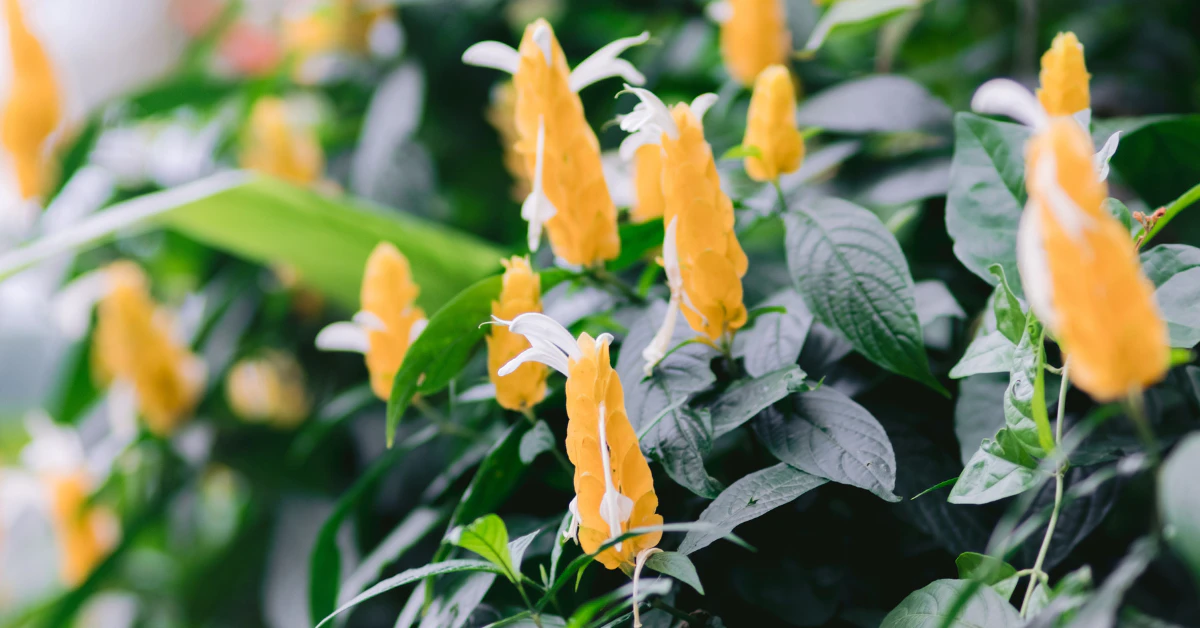
Shrimp plant with yellow-orange bracts and green leaves

The Complete Shrimp Plant Care Guide: Endless Blooms, Pruning Secrets & Zone Rules

Shrimp plant care is simple once you know the basics. This plant needs well-drained soil, full sun to part shade, and regular watering to stay healthy. It grows outdoors year-round in USDA Hardiness Zones 8b to 11, according to the University of Florida’s IFAS Extension. Outside those zones, most gardeners grow it in a pot. […]

Continue Reading
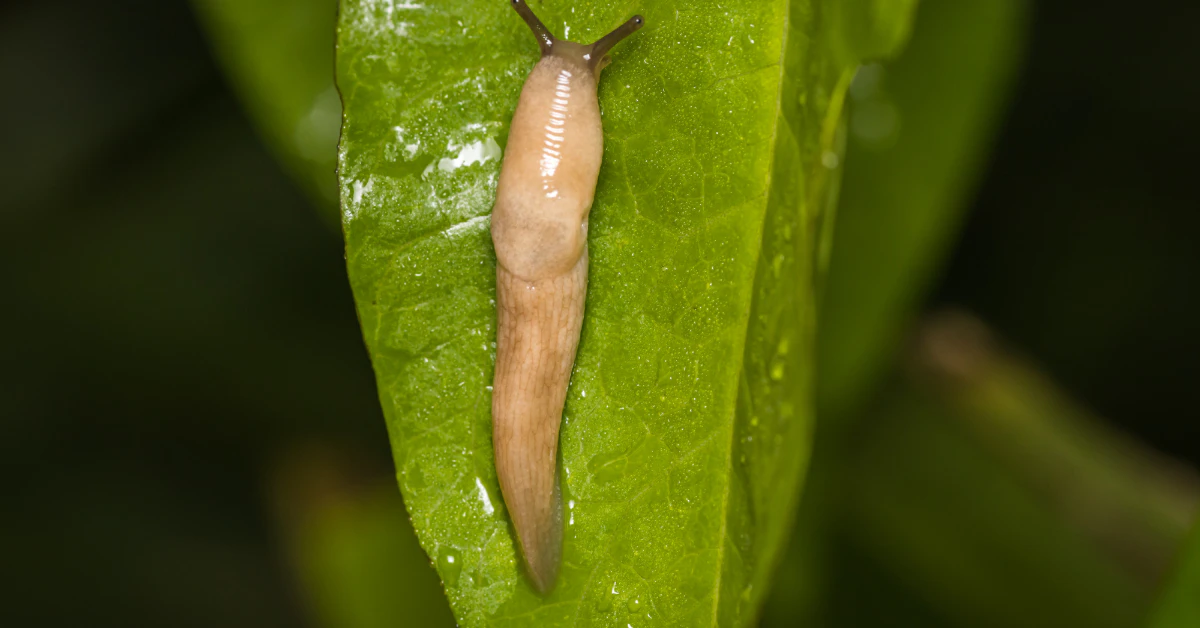
Slug on a green garden leaf

What Eats Slugs? The Ultimate Guide to Natural Garden Predators

Slugs and snails have plenty of natural enemies. Ground beetles, firefly larvae, frogs, toads, snakes, and birds like thrushes and starlings all hunt slugs for food. Spiders, centipedes, and even some flies join the list too. Attracting these predators is one of the safest ways to cut slug damage in your yard. Few things are […]

Continue Reading
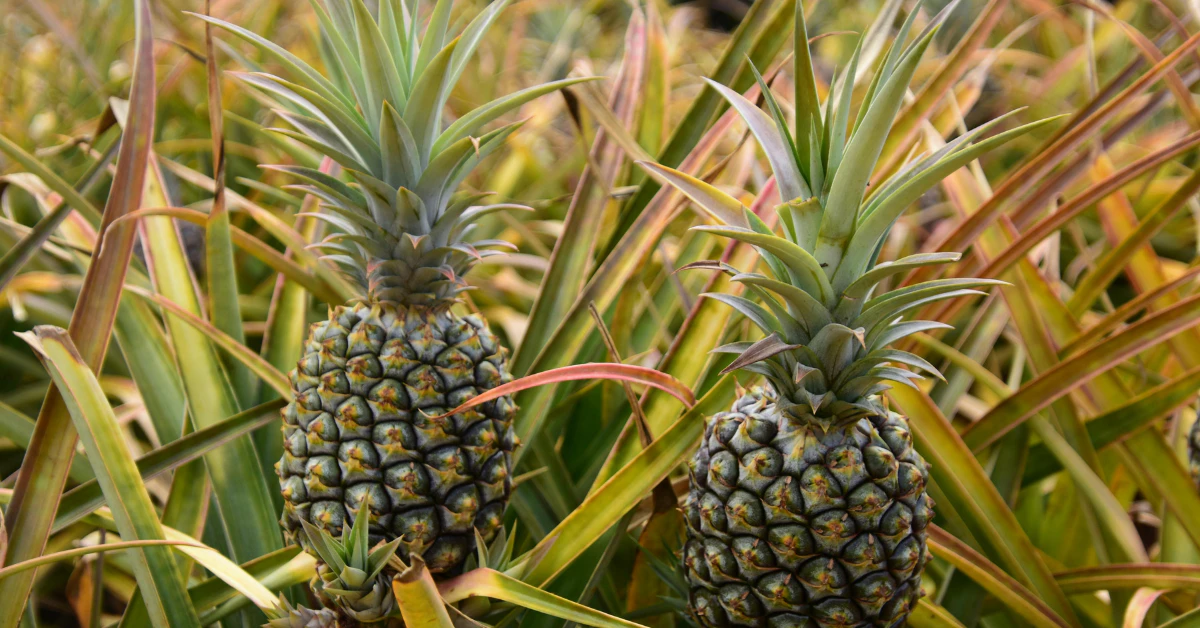
Two pineapples growing on plants in a field

How to Grow a Pineapple Plant from the Top (Without It Rotting)

yes, you can grow a pineapple plant from the top of a store-bought pineapple, and it’s easier than most people think. Twist or cut off the leafy top, leaving about an inch of fruit attached. Let it dry out on the counter for a few days. Then plant it in moist, well-draining soil. That’s the […]

Continue Reading
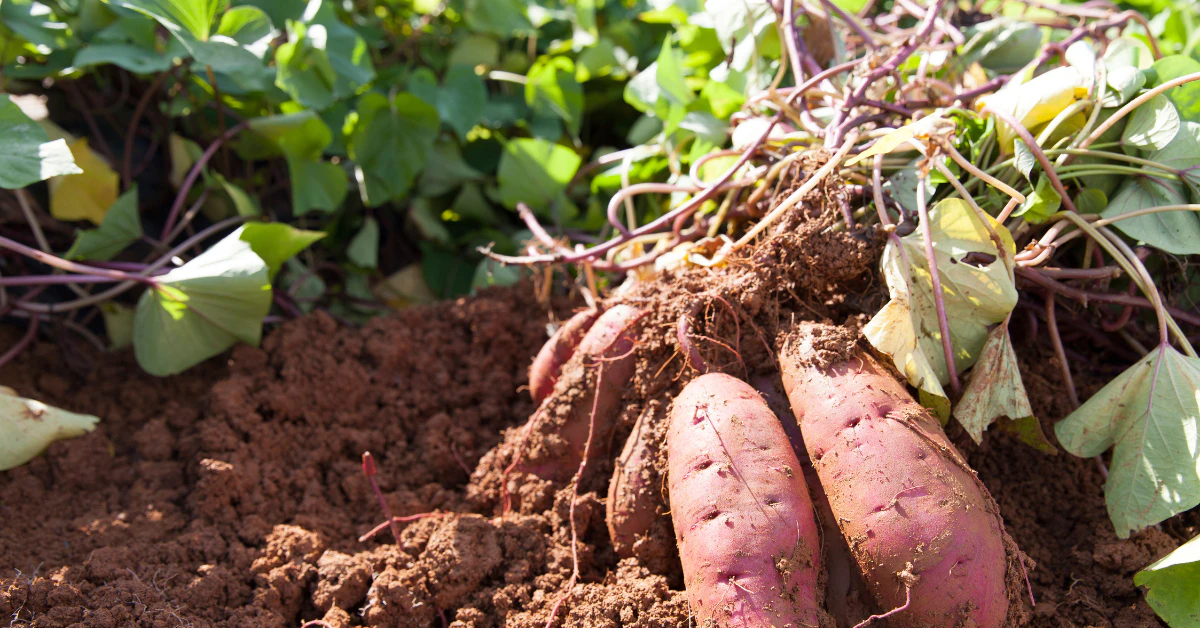
Healthy green potato plant leaves growing above soil with freshly dug potato tubers

The Complete Guide to Potato Plant Leaves: Identification, Toxicity, and Troubleshooting

Potato plant leaves are dark green, oval-shaped leaflets that grow in pairs along a central stem. Each full leaf has six to eight leaflets. Healthy leaves stay green and upright during the growing season, then naturally yellow and die back once the tubers below are ready. To figure out what is wrong with your plant, […]

Continue Reading
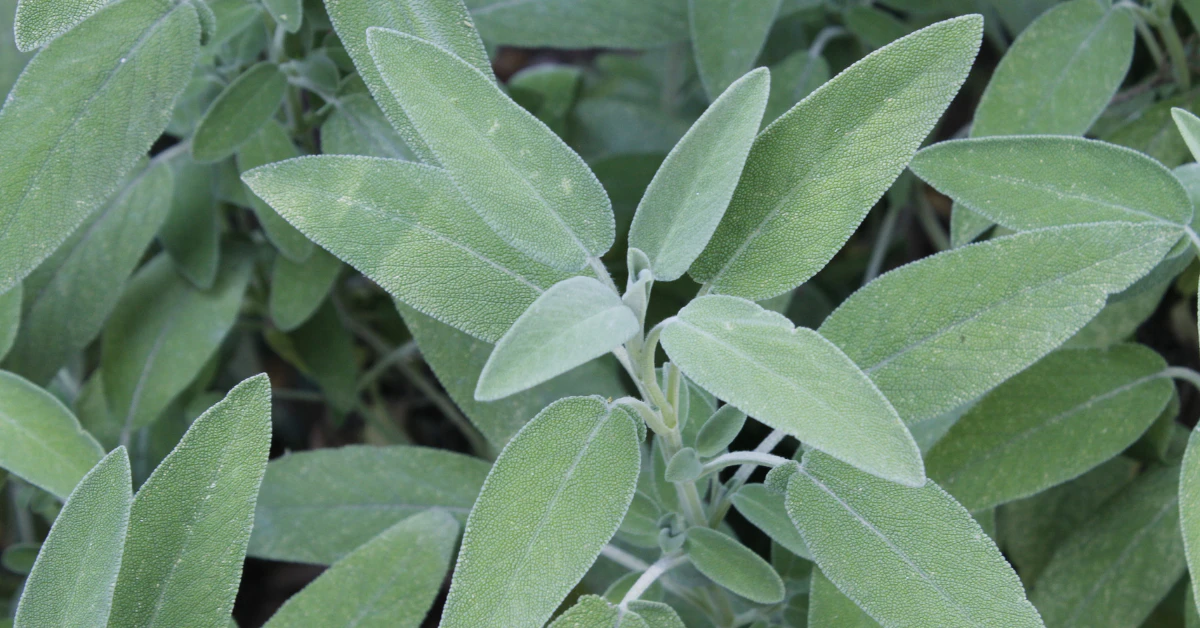
Close-up of fresh green sage leaves growing on a healthy sage plant ready for harvest

The Complete Guide to Harvesting Sage Without Killing Your Plant

Harvest sage in the morning, once the dew has dried. Pick leaves before the plant flowers for the best flavor. Use clean, sharp scissors or pruners, and cut just above a leaf node, the spot where two leaves meet the stem. Never take more than a third of the plant at once. Cutting into a […]

Continue Reading
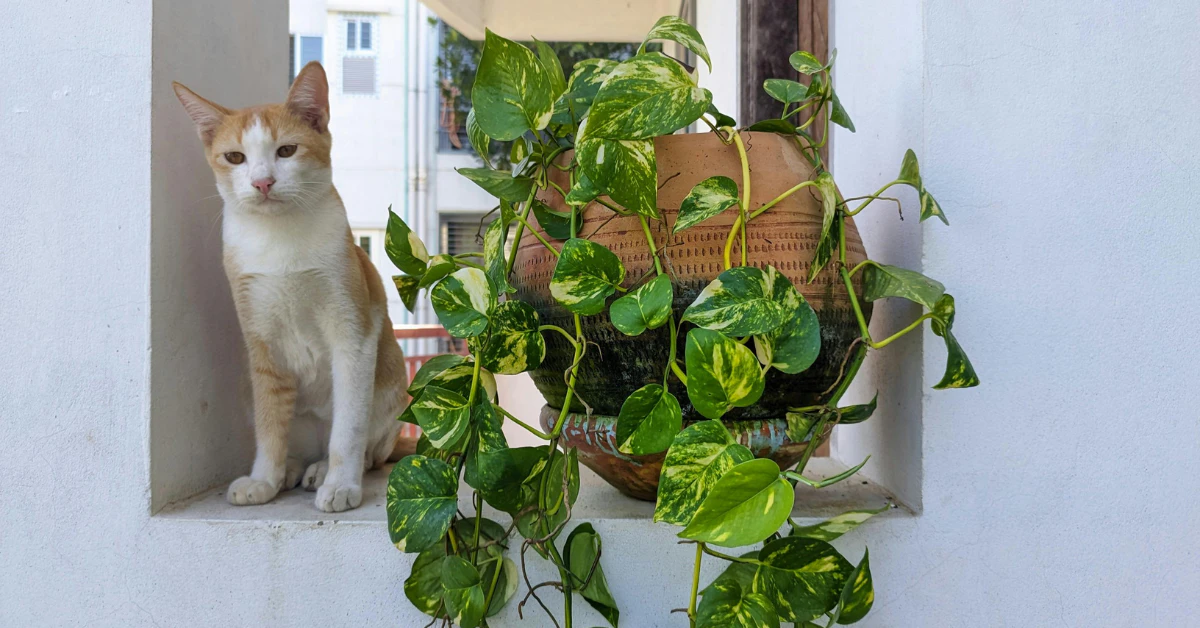
Cat standing near a hanging pothos plant indoors

Are Pothos Toxic to Cats? What Every Plant Parent Must Know

Yes, pothos are toxic to both cats and dogs. The ASPCA lists pothos (Epipremnum aureum) as toxic to both pets. The plant contains tiny, sharp crystals called insoluble calcium oxalates. When a cat or dog bites into a leaf or stem, these crystals dig into the mouth and cause pain. This is a real risk, […]

Continue Reading
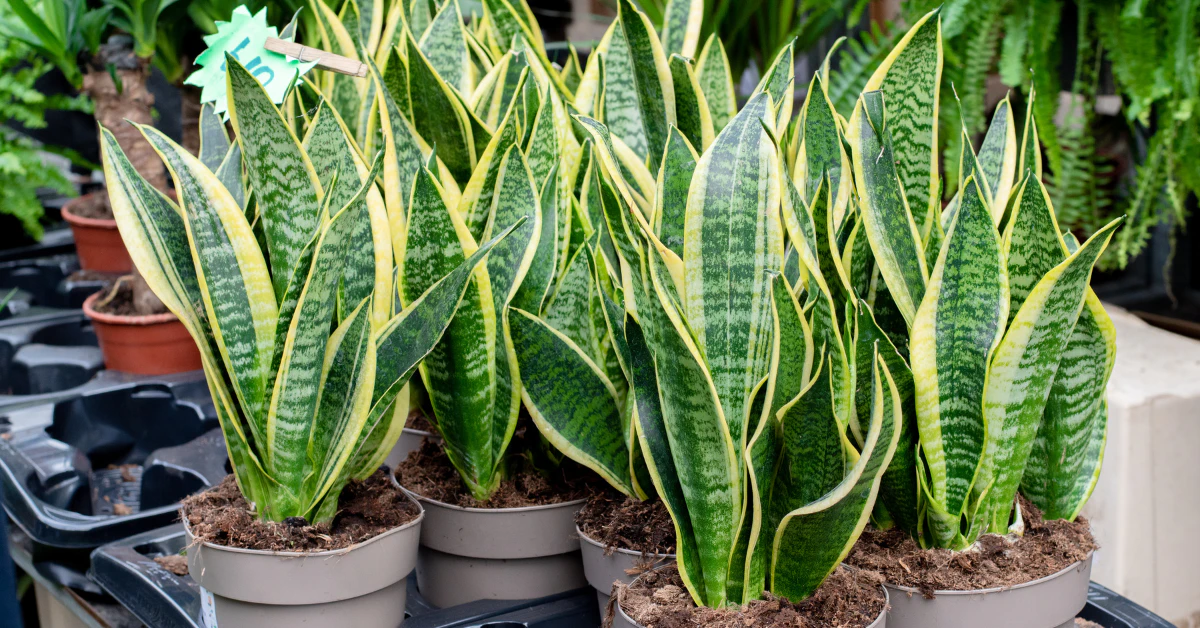
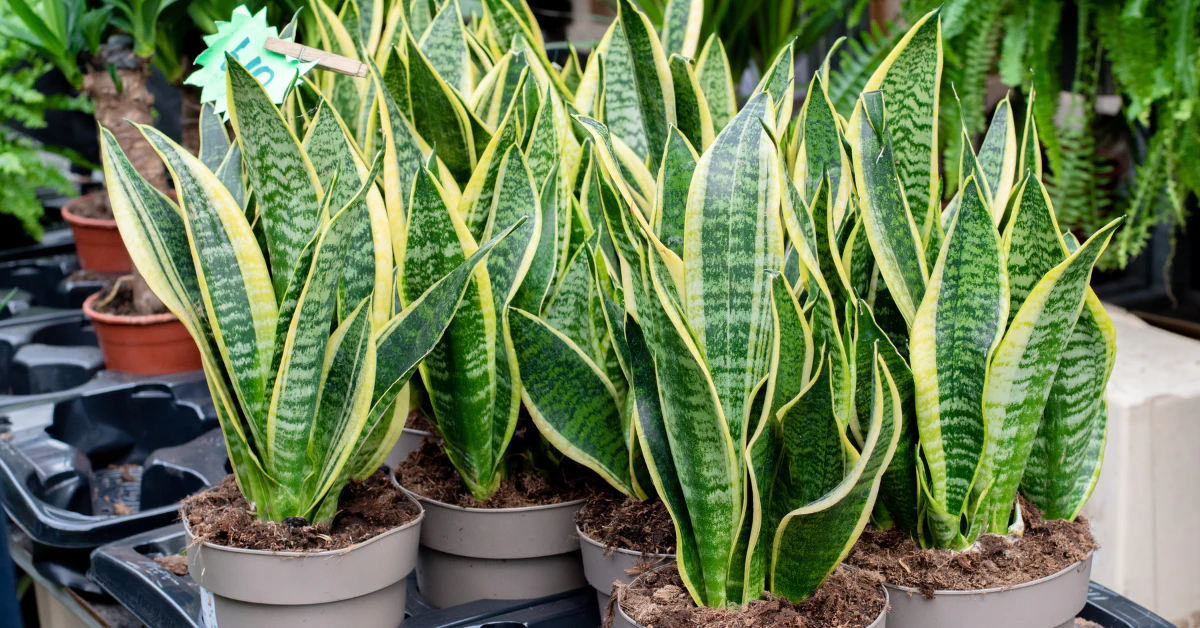
Row of potted snake plants with yellow-edged leaves, ready to propagate

How to Propagate a Snake Plant in Water, Soil, or by Division (Without Mushy Rot or Losing Its Stripes)

You can propagate a snake plant (Dracaena trifasciata) three ways: soil cuttings, water cuttings, or root division. Division is fastest. Leaf cuttings grow roots in 4 to 6 weeks in a warm room (70 to 75°F). New leaves take 3 to 4 more months. Striped types must be divided to keep their stripes. Is your […]

Continue Reading
Row of mother-in-law's tongue plants (snake plants) with upright green leaves in pots

Mother-in-Law’s Tongue Plant Care: The Complete Guide to Watering, Pet Safety, Propagation, and Viral Myths 

The mother-in-law’s tongue plant (Dracaena trifasciata, once called Sansevieria trifasciata) is a tough, upright succulent from Africa. It has stiff, sword-shaped leaves and barely needs any care. It handles low light and forgotten watering days with ease. In fact, overwatering is almost the only thing that will kill it. Pet Safety Alert: Is mother-in-law’s tongue […]

Continue Reading
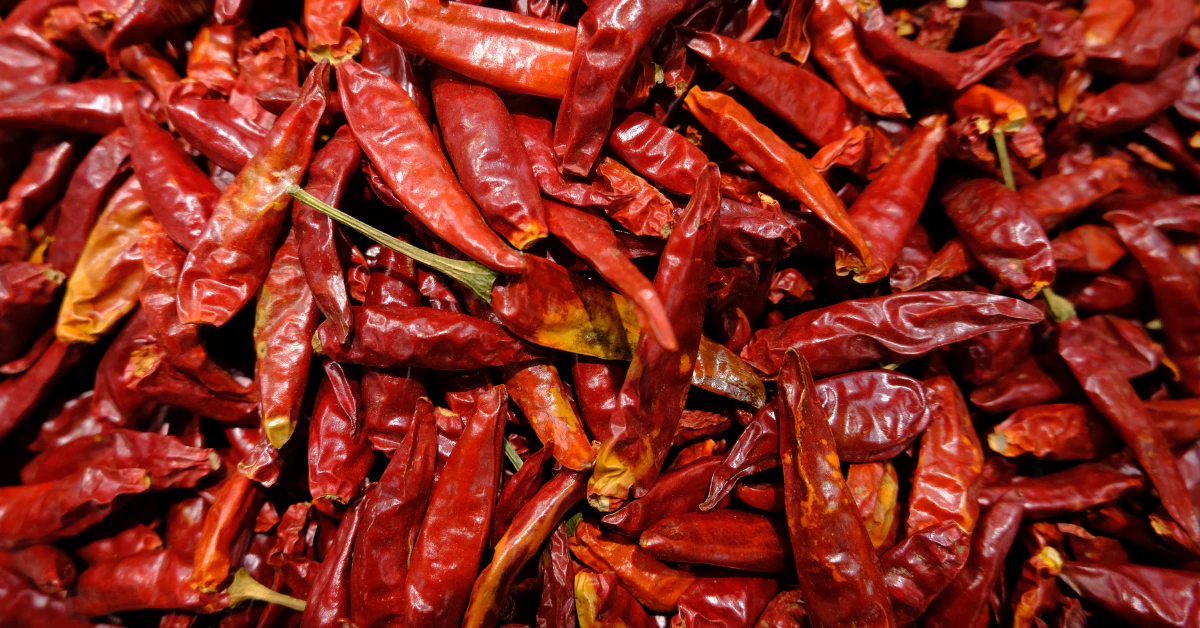
Pile of dried red chili peppers ready for storage

How to Dry Chili Peppers Without Mold: 4 Proven Methods (Dehydrator, Oven, Air Fryer & Sun)

The most reliable way to dry chili peppers is in a food dehydrator set to 140°F (60°C) for 12 to 24 hours, until the peppers are crisp and brittle all the way through. This baseline comes from Colorado State University Extension. A low oven, an air fryer with a dehydrate mode, or outdoor sun-drying can […]

Continue Reading
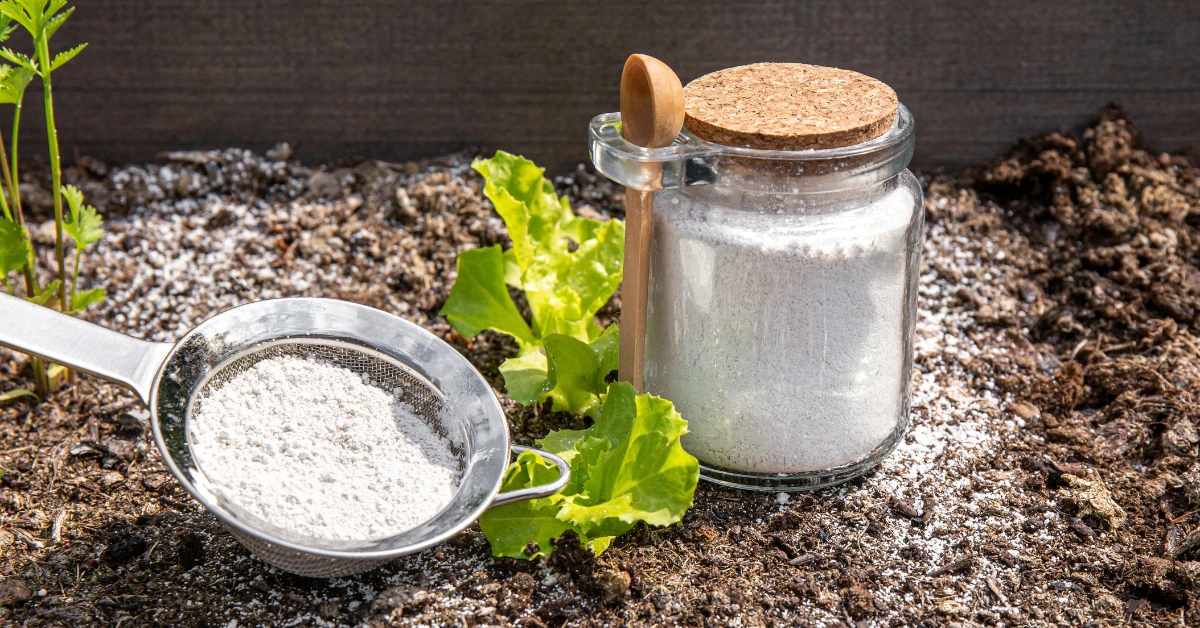
Diatomaceous earth powder in a jar and sieve next to a plant on garden soil

What Is Diatomaceous Earth Used For? The Truth About Garden, Pet, Pool & Human Uses 

Diatomaceous earth is a natural powder made from the fossilized shells of tiny water organisms called diatoms. People use it mainly as a mechanical insecticide for crawling bugs, an anticaking agent in livestock feed, a clarifying agent for wine and beer, and a filter material in swimming pools. One bag at the garden store treats […]

Continue Reading